Master local PR and dominate your city’s press with our modern, step-by-step networking strategy.
Getting your brand featured in the local press can feel like a huge challenge. However, it’s one of the most powerful and cost-effective ways to grow your presence. Local journalists actively seek community stories. Because they receive fewer pitches than national outlets, your chances of success are much higher. This guide provides a modern, step-by-step strategy to build a powerful media list and network effectively, helping you dominate your city’s press in 2026 and beyond.
Mapping Your Local Media Ecosystem
Before you even think about a spreadsheet, you must understand your city’s media landscape. A strong local PR strategy goes beyond the big-name newspaper. Instead, you need to identify the different layers of influence within your community.


The Four Tiers of Local Media
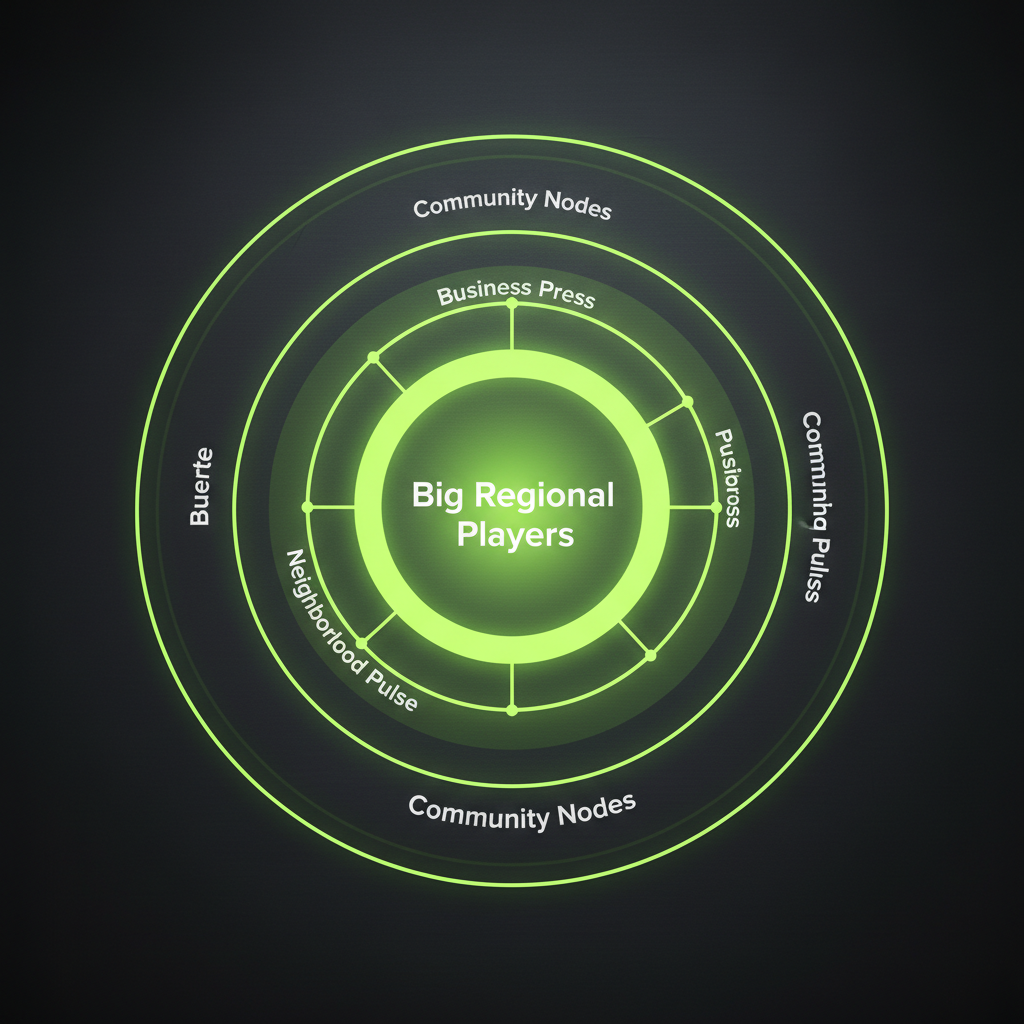
Think of your media list in tiers, from broad reach to hyper-local influence.
- The Big Regional Players: These are the largest outlets in your area. This includes the main city-wide daily newspaper, major TV network affiliates, and the regional public radio station.
- The Business Press: Look for the local business journal in your city (for example, affiliates of the American City Business Journals). These publications are gold for B2B companies.
- The Neighborhood Pulse: This tier includes hyper-local digital platforms, neighborhood blogs, and community-specific weekly papers.
- The Community Nodes: Influence today also lies with community leaders. This includes local Facebook group moderators, Chamber of Commerce newsletter editors, and neighborhood association leaders.
Building Your Contact List: The Smart Way
Your media list is a living document, not a one-time project. You can build it effectively without expensive tools by using smart, “boots on the ground” research. A Google Sheet or a simple CRM is all you need to get started.
Finding the Right People
Your goal is to find the specific reporter who covers your niche or “beat.” Therefore, avoid sending pitches to a general news desk email.
- Google News Searches: Use specific search commands like
site:localnewsoutlet.com "keyword". - Explore the Masthead: Look for titles like Lifestyle Reporter or Tech Editor.
- Use Social Media: Search X or LinkedIn using location-based hashtags.
- Check Press Associations: Visit the Society of Professional Journalists to find regional member directories.

The Networking Strategy: Give Before You Ask
Public relations is all about relationships, not just transactions. Most people only contact a journalist when they want something. Consequently, you can stand out by being helpful first. This approach is often called “deposit before you withdraw.”
1. Soft Introduction
Follow target reporters and genuinely engage with their work for weeks before pitching.
2. Offer Expertise
Send a “No Pitch” email introducing yourself as a resource for future quotes.
3. Source First
Use Muck Rack’s industry insights to find #JournoRequest opportunities.
4. Attend Events
Meeting a reporter in person at local business mixers is worth 50 cold emails.
Crafting the Perfect Local Pitch
Local journalists have one primary question: “Why does this matter to *our* community right now?” Your pitch must answer this question immediately.
- Create a Local Hook: Always connect your story to the local area. Are you partnering with another local business? Mention it upfront.
- Write a Powerful Subject Line: Always include the city name (e.g., “[City Name] Startup Launches App”).
- Include Multimedia: Offer high-resolution photos or B-roll video. Check Prowly’s guide to digital media kits for professional templates.

Conclusion: From Contact List to Community Asset
Building a local media list is not about collecting as many names as possible. Instead, it’s about strategically identifying and building genuine relationships with the people who shape the conversation in your city. By mapping your media landscape, organizing your contacts, and focusing on being a helpful resource, you transform your brand from just another business into a trusted community partner. This long-term approach ensures that when you do have news to share, the local press will be ready and willing to listen.