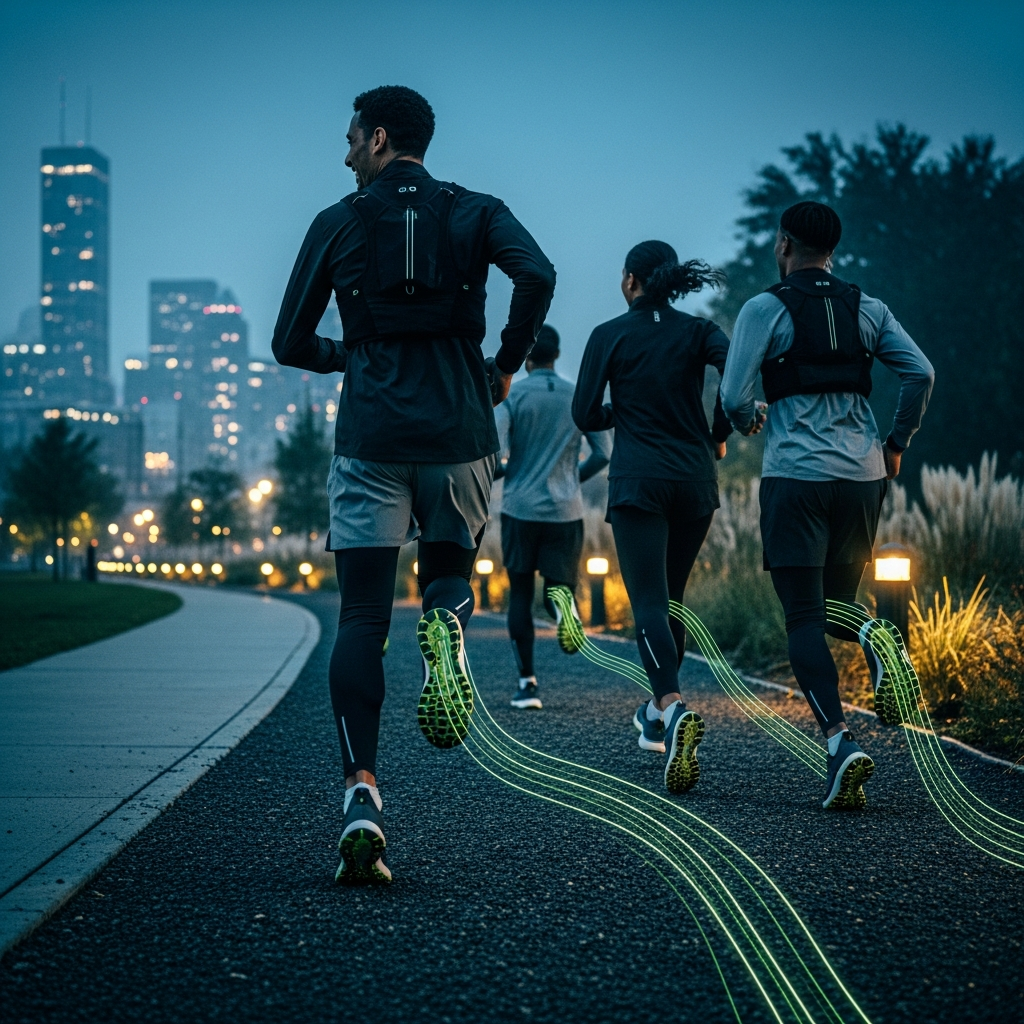
Why Urban Trail Running is Exploding
The way we connect and exercise has fundamentally changed. Gone are the days of solitary workouts and forced small talk at crowded bars. In 2026, a powerful, sustainable lifestyle trend has taken hold.
This isn’t just about fitness; it’s a cultural shift toward community, mental well-being, and finding nature right outside your front door. This movement has become an “Evergreen” trend, meaning it has deep, sustainable roots.
With participation in run clubs growing by over 59% globally, it’s clear this is more than a fad. It’s the new “Third Place” for millions, where health, friendship, and the joy of movement intersect on city paths and park trails. Let’s dive into why this boom is happening now and why it’s here to stay.
More Than Miles: The Rise of ‘Third Place’ Running
Traditional social hubs are on the decline. In their place, social running clubs have emerged as the primary community space for Gen Z and Millennials. They offer a powerful blend of physical activity and genuine human connection, filling a crucial social vacuum.
From Pace Goals to “Party Pace”
The modern run club is built on inclusivity. The focus has shifted from chasing personal bests to enjoying the collective vibe. You’ll hear terms like “party pace” and “conversational pace,” which are more than just slogans; they are strictly enforced community standards.
The Evolution of Footwear: Hybrid Gravel Technology
Swipe Right on the Finish Line
In a surprising turn, run clubs are officially replacing dating apps. The “vibe check” of meeting someone in person during a shared activity is seen as far more effective than endless digital messaging.
- A Natural Connection: Data shows you are four times more likely to meet a partner at a run club than at a bar.
- Tech Integration: Apps like Strava and Heylo now feature “Singles Run” tags, while dedicated platforms like Lunge host massive events for single runners.
- Incidental Intimacy: Running side-by-side allows for deep conversations without the pressure of direct eye contact.
Dirt Over Asphalt: The Urban Trail Revolution
As city streets become saturated, runners are looking for a new challenge. They’ve found it in urban trail running—the practice of using non-paved surfaces like gravel paths, park trails, and even city stairways for their runs.
Your Daily “Nature Fix”
This sub-trend is powered by the need for a “Nature Fix.” Research shows that exercising in green spaces is a key tool for what experts call “Nervous System Hygiene.”
- Lowering Stress: Getting out on urban trails lowers cortisol levels and improves focus.
- Accessibility: No two-hour drive required; touch grass and dirt on your lunch break.
- The JOMO Mindset: Embracing the “Joy of Missing Out” by disconnecting from digital noise.
The Right Gear for the “Gravel Run”
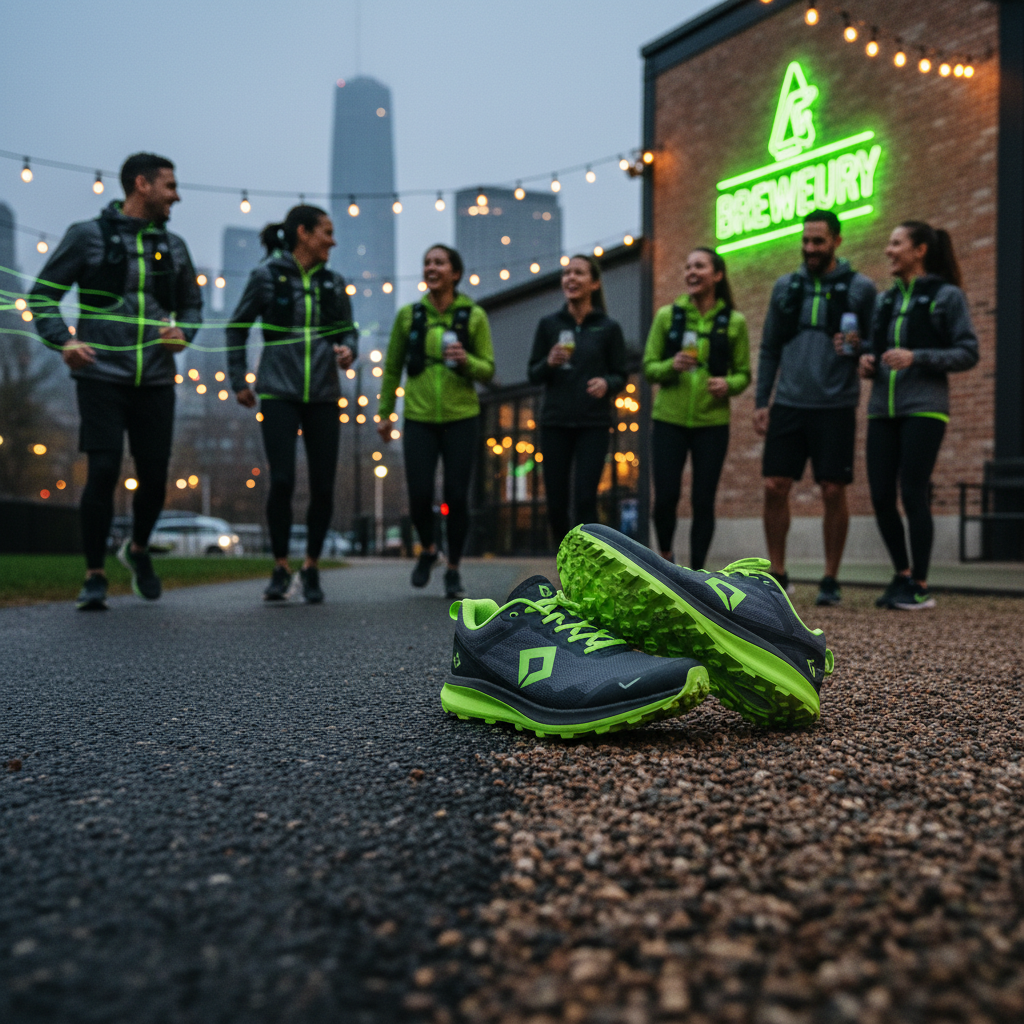
This new terrain demands new gear. The footwear industry has responded with a booming category of “hybrid” or “gravel” running shoes. These shoes feature lower-profile lugs that provide grip on dirt but don’t feel clunky on pavement.
Community over Kilometers: Post-run social at local brewery
Built to Last: Why This Trend Has Staying Power
Unlike fleeting fitness fads, the social and urban trail running movement is built on sustainable foundations. It is being woven directly into the fabric of our cities and our social lives.
This staying power comes from “Active Design.” Urban planners are creating interconnected greenways and linear parks. Cities like Austin and St. Paul are even launching dedicated Urban Trail Series events.
Conclusion: The Future is Social, Active, and Green
The explosion of social urban trail running is a direct response to a modern-day need for connection, mental peace, and sustainable health. It’s a movement that skillfully combines the search for community with the psychological benefits of exercising in nature.
By prioritizing inclusivity and embracing the “Joy of Missing Out,” this trend has become a permanent fixture of urban life. It’s more than just a run; it’s a lifestyle, a community hub, and a powerful tool for building a healthier, more connected future, one trail at a time.