A single second of dead air can cost millions. In the high-stakes world of live sports broadcasting, power isn’t just a utility; it’s the lifeblood of the entire production.
A dead camera misses the winning goal. A failed VAR system delays the match. Consequently, battery power management on the pitch has evolved from a simple bag of spares into a sophisticated, cloud-connected ecosystem designed for zero downtime.
From the NFL sidelines in the US to Premier League pitches in the UK and stadiums across Africa, ensuring every piece of wireless gear stays live for the full 90 minutes and beyond is a critical challenge. This guide explores the modern strategies and technologies that keep the broadcast running, no matter what.

The Modern On-Pitch Power Ecosystem
Today’s pitch-side equipment is a power-hungry collection of high-tech gear. Broadcast engineers must manage a diverse range of devices, each with unique power demands. This requires more than just standard batteries; it demands professional-grade, high-density power solutions.
Wireless RF Cameras
Essential for dynamic sideline and Steadicam shots, these mobile rigs typically draw 25-50W to power the camera, transmitter, and monitor.
Bonded Cellular Encoders
Devices like the LiveU LU800 are the backbone of remote contribution, often backed by external V-mount batteries for 4+ hours of streaming.
- VAR & Goal-Line Technology (GLT): Following high-profile failures, FIFA now mandates Uninterruptible Power Supplies (UPS) for all officiating technology. This prevents the lengthy 30-minute recalibration that occurs after even a momentary power loss.
- Communication Systems: Referee headsets and pitch-side communication tools are built for endurance, with batteries designed to last through warmups, the match, and any potential overtime.
Smart Strategies for Zero Downtime
To prevent a power failure mid-play, broadcast crews rely on clever hardware solutions and industry-standard mounting systems that prioritize security and flexibility. These tactics are designed to make power management both proactive and seamless.
Hardware for Non-Stop Action
- Hot-Swapping: Engineers often use dual-battery plates, sometimes called “shark fins.” This setup allows a camera operator or assistant to swap a depleted battery while the second one continues to power the camera.
- Intelligent Stacking: The PAGlink system is a game-changer, allowing crews to link up to ten batteries together. The camera treats this stack as one large power source. Learn more about PAGlink intelligent stacking.
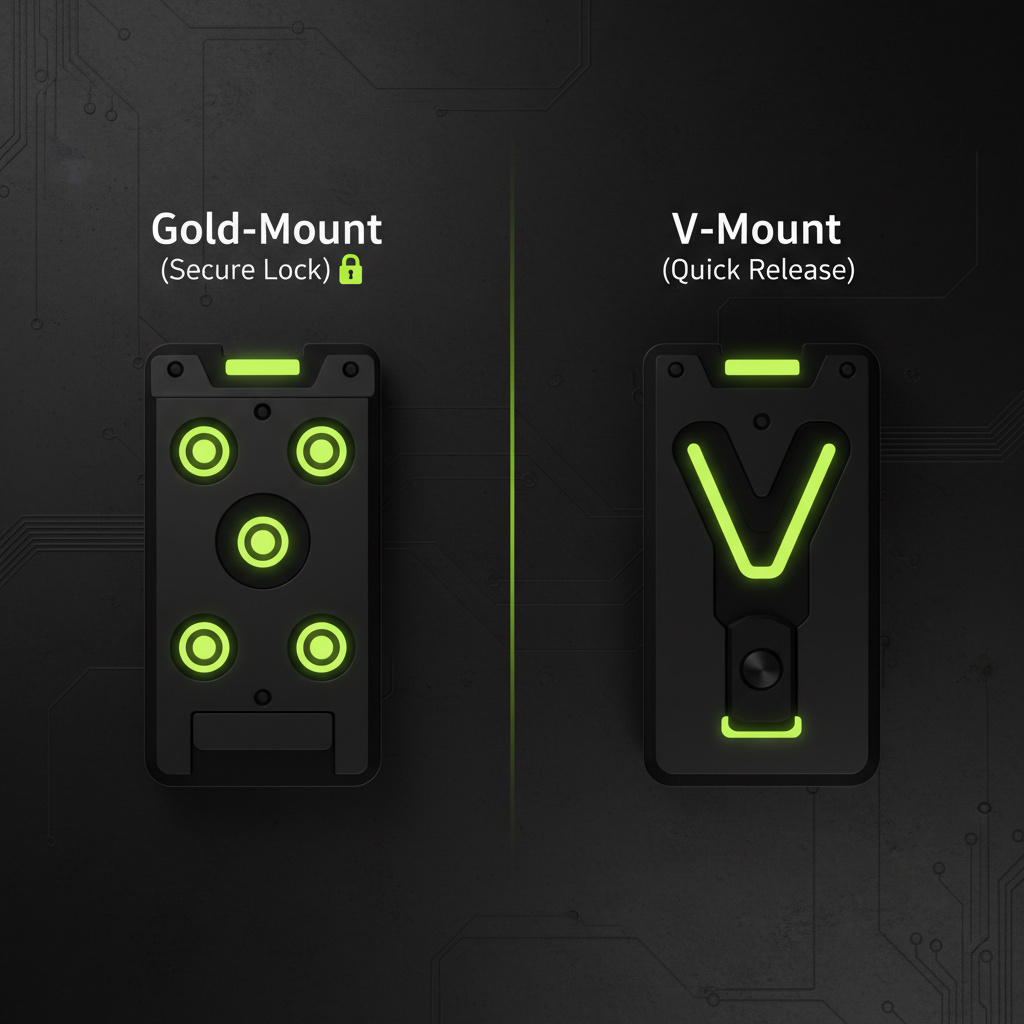
Figure 1: Comparison of industry-standard mounting systems
The Great Debate: Gold-Mount vs. V-Mount
The physical connection between a battery and a camera is crucial, especially in a dynamic environment. The industry primarily uses two standards:
Developed by Anton/Bauer, this uses a secure three-stud locking mechanism. The battery slides sideways to lock, making it extremely difficult to knock off accidentally. Heavily favored in the US.
Developed by Sony, this system uses a V-shaped wedge that clicks into place. It’s faster to mount and unmount, and has become the dominant standard in Europe and Asia.
The Biggest Game-Changer: Cloud-Based Fleet Management
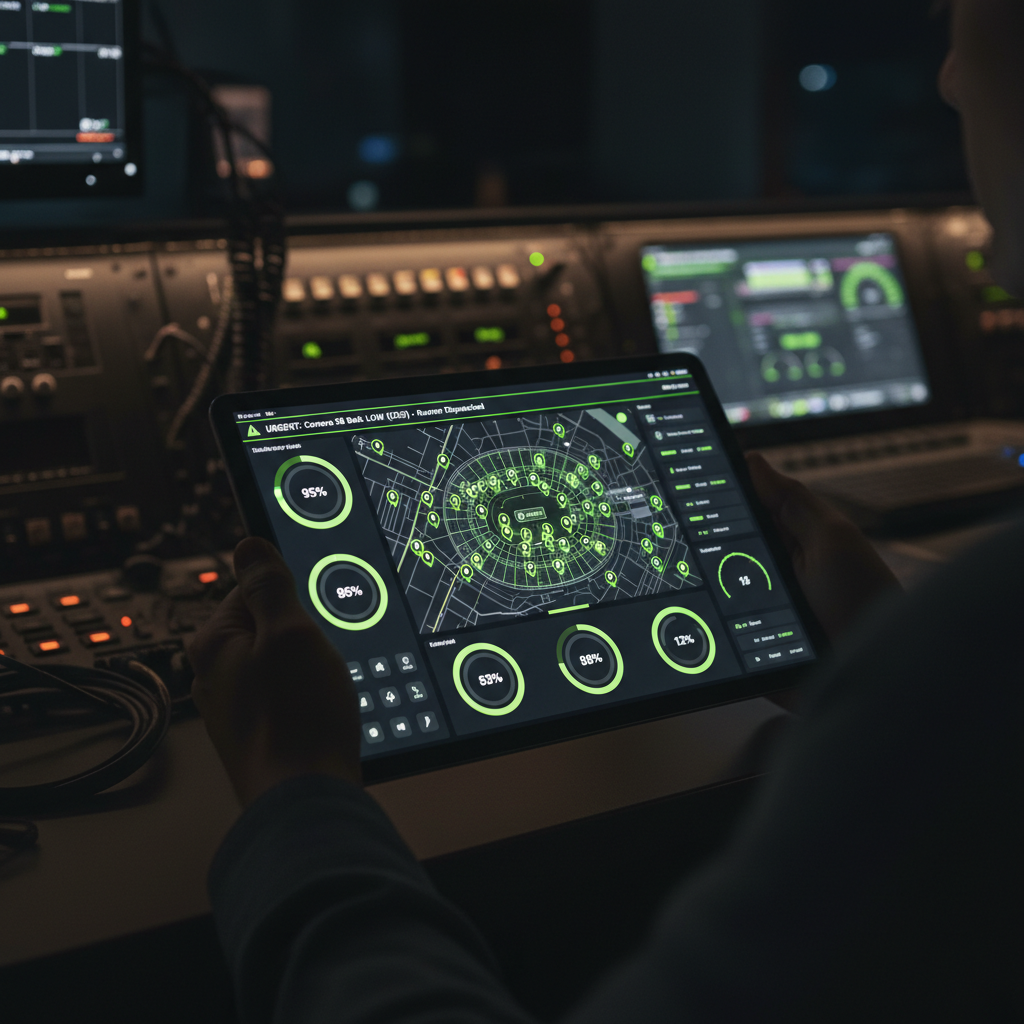
The most significant shift in recent years is the move towards remote monitoring. Platforms like Anton/Bauer Fleet Management, launched in late 2025, have transformed power management into a data-driven science.

This cloud-based software allows an engineer in the broadcast truck or even a remote control room to see the status of every battery in the stadium. Key features include real-time monitoring of state-of-charge, predictive alerts before a level hits 15%, and proactive maintenance for aging cells.
Battling the Elements and Rising Demands
Broadcasting doesn’t stop for bad weather or new technology. Power systems must be robust enough to handle extreme temperatures and the ever-increasing energy needs of modern formats.
In freezing conditions, a Li-ion battery’s efficiency can drop by as much as 30%. Therefore, engineers use heated battery blankets or keep spares in “hot boxes.” Conversely, in extreme heat, smart batteries automatically throttle their power draw to prevent overheating.
Furthermore, the industry’s move to 4K/60fps and 8K broadcasting has dramatically increased power consumption. This has spurred the adoption of higher-density silicon-anode batteries and 26V high-voltage systems.

Conclusion: The Future is Smart and Sustainable
Power management on the pitch is no longer about just having enough batteries. It’s about having a smart, resilient, and proactive ecosystem. Through a combination of robust hardware like Gold-mounts and PAGlink, intelligent cloud-based fleet management, and adaptations for environmental challenges, broadcasters can ensure they never go dark.
As technology pushes towards solid-state batteries and greater sustainability, this behind-the-scenes discipline will remain one of the most critical components of any live sports broadcast, guaranteeing fans worldwide never miss a moment of the action.