
This guide will break down the five most common social media errors we see amateur clubs make. More importantly, it will give you simple, actionable steps to fix them, helping you build a professional online presence that truly benefits your club. Let’s get started.
1. The “Notice Board” Mentality
Does your club’s feed look like a digital notice board? Many clubs only post match times, cancellations, or meeting dates. This one-way “broadcast” approach is a major reason why followers tune out. Social media is meant to be social, not just a stream of dry information.
The Pitfall: Losing Your Audience
If you only provide logistical updates, your audience has no reason to engage. They will eventually mute or unfollow your account. Consequently, when you do have an important announcement, fewer people will see it because the platform’s algorithm has learned that your content isn’t very engaging.
How to Fix It: The 80/20 Rule
To build a true community, you need to entertain and connect with your audience. Therefore, follow the 80/20 rule for a healthier content mix:

- 80% Social Content: This is the fun stuff. Think behind-the-scenes training clips, player spotlights, funny mistakes, or interactive polls asking fans to vote for “Player of the Match.”
- 20% Promotional Content: This is for your essential notices, like match-day info, ticket sales, or calls for volunteers.
2. Ignoring the “Social” in Social Media
One of the biggest mistakes is posting content and then walking away. When fans, players, or parents leave comments, they are trying to start a conversation. Ignoring them is like turning your back on someone who just paid you a compliment.
The Pitfall: Harming Your Reach
Social media platforms prioritize what they call “meaningful interactions.” When you reply to comments, the algorithm sees that your post is sparking conversation. As a result, it shows your content to more people.
How to Fix It: Engage Actively
Engaging doesn’t have to take hours. Simply set aside 10 minutes after posting to do the following:
- Reply to every comment. Even a simple “Thanks for the support!” makes a difference.
- Ask questions in your captions. For example, “Who are you most excited to see play this weekend?” prompts a response.
- Tag relevant accounts. Tag your players, local sponsors, and even the opposing team.
3. The “Copy-Paste” Strategy Across Platforms
Posting the exact same message and image across Facebook, Instagram, and X (formerly Twitter) at the same time is inefficient. Each platform has a different audience and a different format that works best.
The Pitfall: Wasted Effort
Using a generic approach means your content won’t perform well anywhere. You’ll fail to connect with the unique user base of each platform, leading to poor engagement and wasted time.
How to Fix It: Tailor Your Content
You don’t need to create entirely new content for each platform. Instead, just adapt the format. Facebook is ideal for community news, while Instagram thrives on high-quality visuals and Reels. TikTok is for fun and skills, and X is best for live updates.
4. Lack of Consistency
Many clubs start the season strong, posting several times a week. But then a few bad results hit, or the off-season arrives, and the account goes silent for months. This “off-season ghosting” kills your momentum.
The Pitfall: The Algorithm Forgets You
Social media growth relies on a steady pulse. When you stop posting, platforms stop pushing your content. This means when the new season begins, you’ll have to work twice as hard to regain the audience you lost.
How to Fix It: Use a Simple Content Calendar
Consistency is more important than frequency. Aim for a sustainable two or three posts per week, every week. For more tips on scheduling, the Hootsuite blog offers excellent guides for beginners.
5. Poor Technical and Visual Execution
First impressions matter. Blurry photos, a logo stuck in a white box, or an unhelpful bio can make your club look disorganized and unprofessional. This can be off-putting for potential new players and, crucially, for sponsors.
The Pitfall: A Lack of Credibility
If a potential sponsor visits your page and sees poor-quality content and an empty “About” section, they may question the club’s professionalism. Simple technical errors can cost you valuable support.
How to Fix It: Master the Basics
- Optimize Your Bio: Make sure your bio clearly states who you are, where you are based, and includes a direct link.
- Use High-Quality Visuals: Use free tools like Canva to create clean, branded graphics for match announcements.
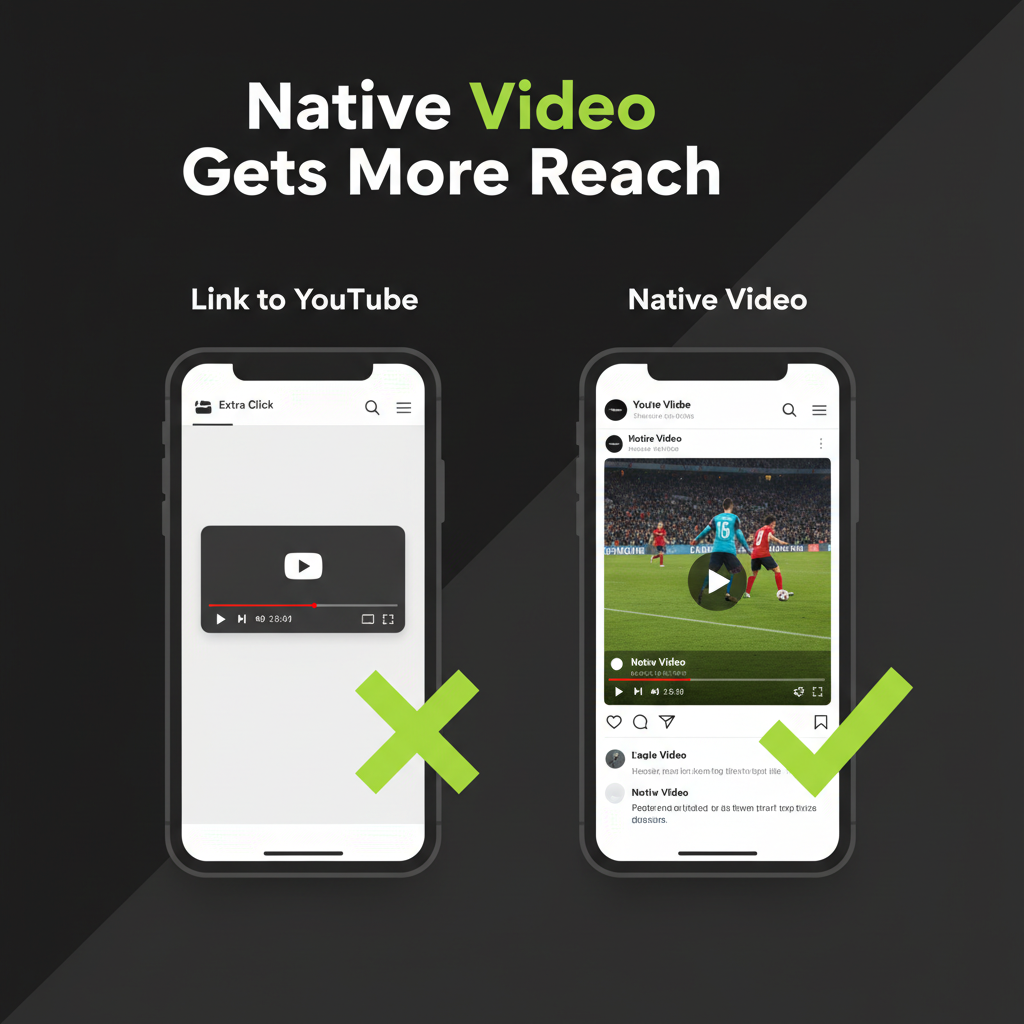
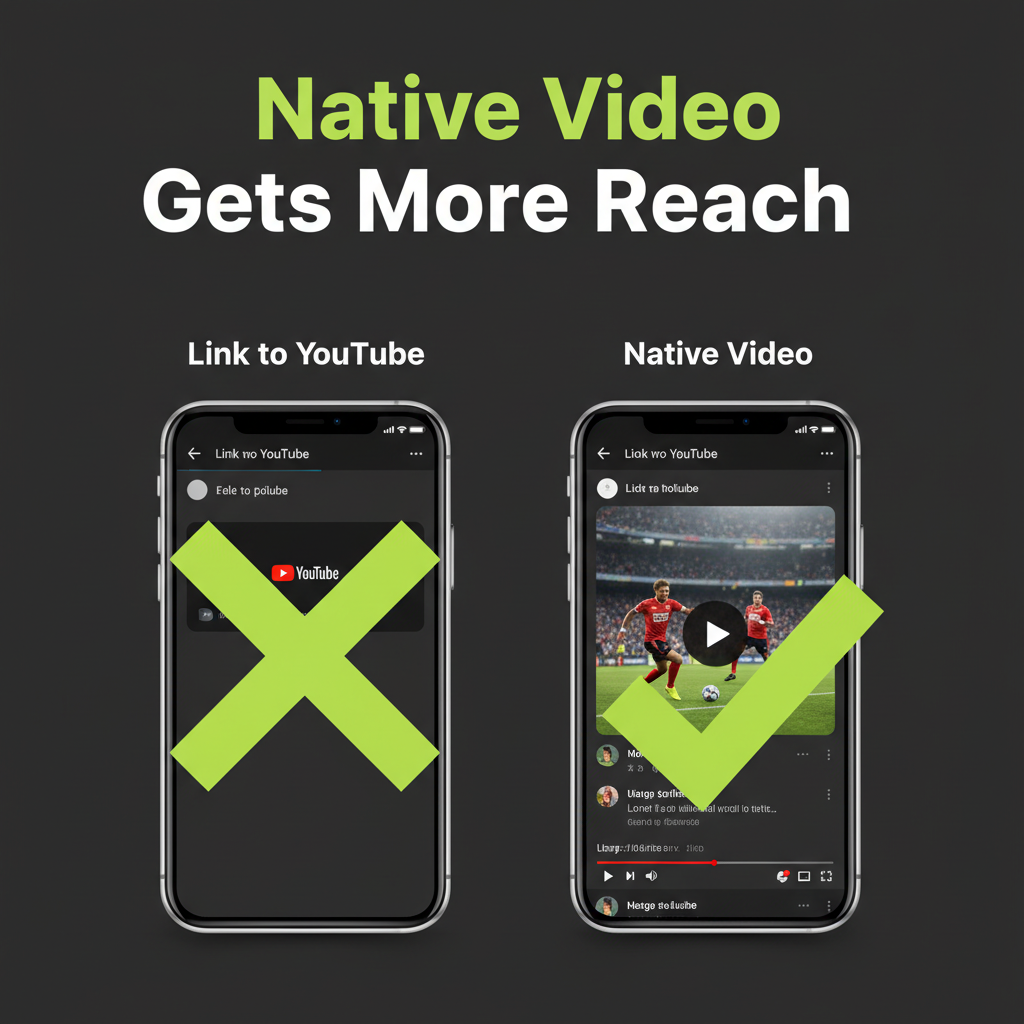
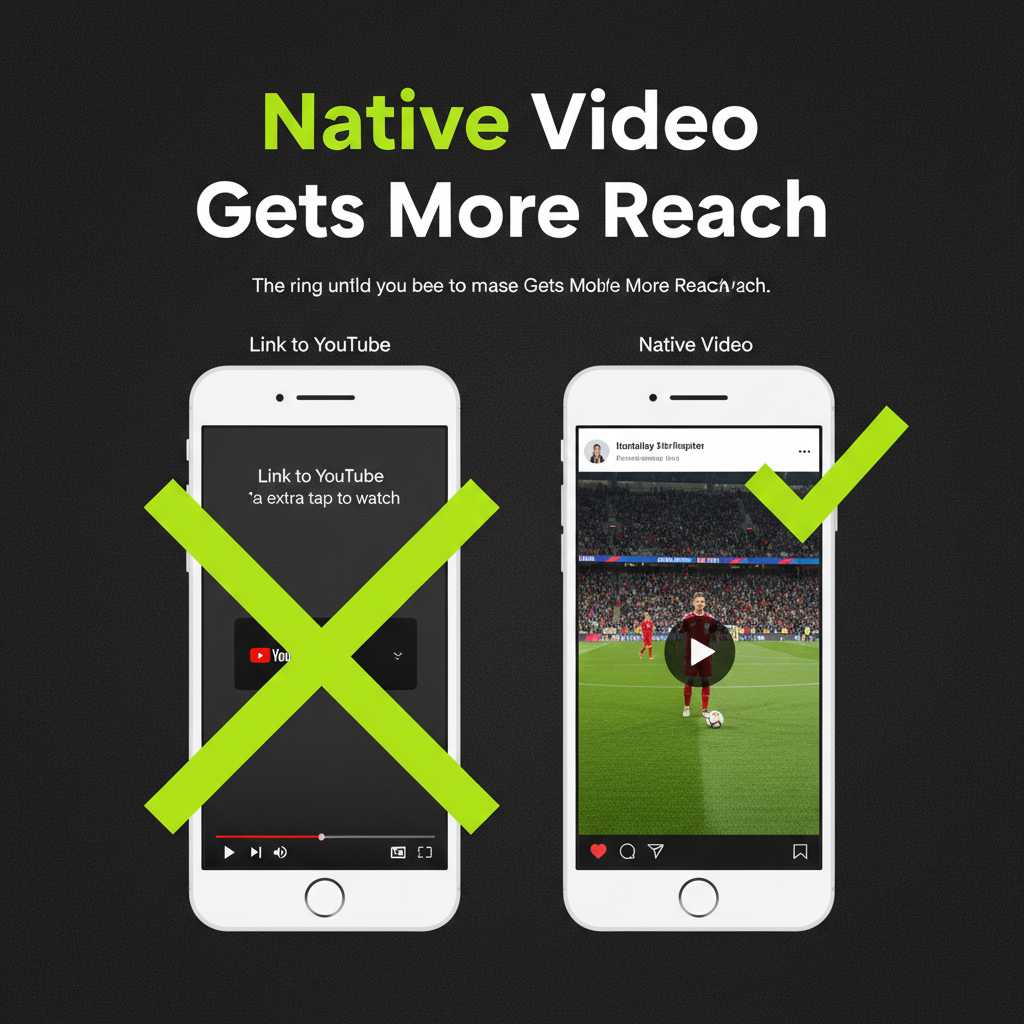
- Upload Video Natively: Don’t just post a link to a YouTube video. For club management and communication, an app like Spond can also be a game-changer.
Conclusion
Growing your amateur sports club’s social media doesn’t require a big budget or a marketing degree. It simply requires a shift in mindset. Move away from being a static notice board and focus on becoming a vibrant community hub.
By avoiding these five common mistakes, you can build an engaging online presence. Focus on consistency over complexity, engage with your followers, and tailor your content for each platform.