The Social Media Command Center: Your Hub for Ultimate Efficiency

In today’s fast-paced digital world, businesses are constantly searching for an edge. We all want to work smarter, not just harder. This is where digital efficiency comes into play.
It’s about using technology to streamline our daily tasks and automate workflows. Consequently, we can boost productivity and reduce errors. A perfect example of this in action is the Social Media Command Center.
Imagine monitoring every tweet, comment, and mention across all your social platforms from a single screen. This centralized hub isn’t just about convenience; it’s a powerful engine for real-time engagement and data-driven decisions. Let’s explore how this tool embodies digital efficiency and can transform your brand’s online presence.
What is a Social Media Command Center?
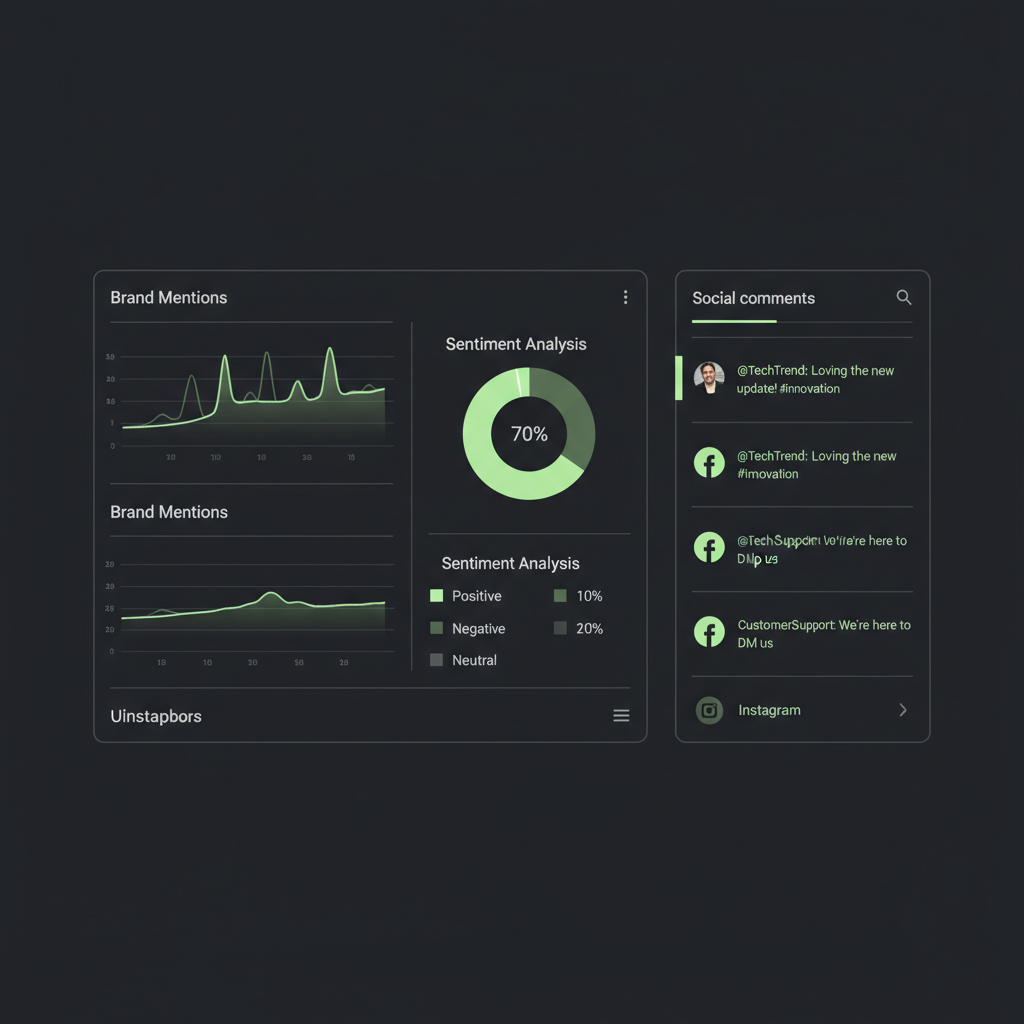
A Social Media Command Center (SMCC) is a centralized hub for managing your brand’s entire online presence. Think of it as an operating system for your social media. From one screen, your team can track brand mentions, analyze trends, and engage with your audience in real time.

This isn’t just about posting content. Instead, it’s a strategic approach to listening and responding. An SMCC leverages specialized software to pull data from multiple platforms into a unified dashboard. As a result, you get a complete picture of what people are saying about your brand, your competitors, and your industry.
The Core Benefits of an Automated Hub
Integrating an SMCC directly translates into the key benefits of workflow automation. By replacing manual checks and fragmented processes with intelligent, rule-based actions, businesses see massive improvements.
Enhanced Efficiency
Automating the monitoring of social channels frees up your team significantly. Repetitive tasks like searching for brand mentions or compiling reports are handled by software.
Better Accuracy
Automated workflows follow predefined rules, which dramatically reduces human error. You get consistent data you can trust for accurate decision-making.
Furthermore, with real-time analytics presented on a clear dashboard, decision-making becomes faster and more accurate. This agility allows businesses to respond instantly to market changes or customer sentiment shifts. For instance, you can quickly address customer complaints seen on social media, improving your service. Learn more about unified inboxes on the Sprout Social blog.
Key Technologies Powering Your Center
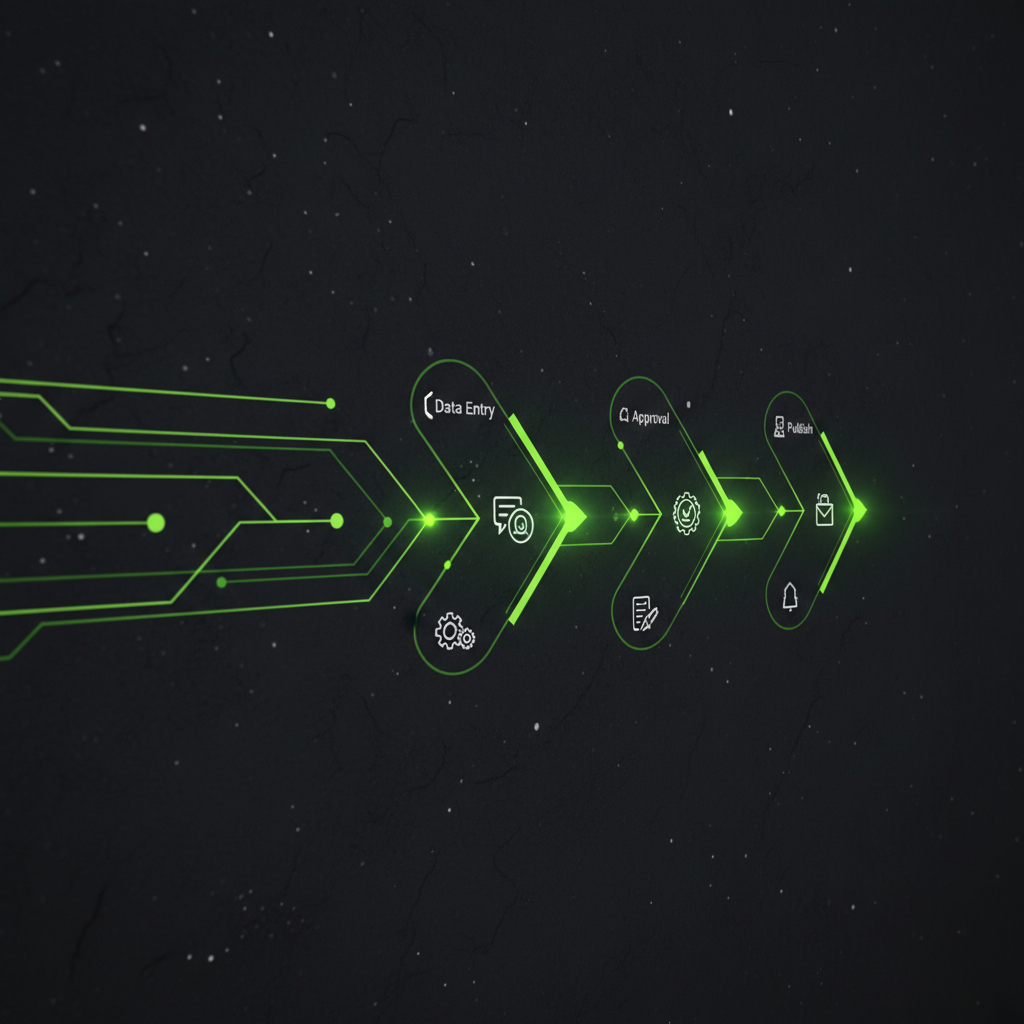
To bring an SMCC to life, you need the right technology. Several types of software and platforms provide the foundation for effective social media monitoring and management. Explore management tools with Hootsuite’s resources to see how these integrate.
- Unified Inboxes: Consolidate all messages, comments, and mentions from different networks into one feed.
- Social Listening Tools: Tracking specific keywords, hashtags, and competitor activity across social media.
- Analytics and Dashboards: Visualize key metrics like engagement rates and follower growth.
- AI and Machine Learning: Advanced systems use AI to analyze public sentiment towards your brand.
Best Practices for a Successful Setup
Setting up a command center requires more than just buying software. It demands a strategic approach to ensure it delivers real value. To begin, you must define clear business goals. Whether it’s enhancing customer service or managing brand reputation, your objectives will guide your strategy.
Next, involve teams from across your organization, including IT, marketing, and customer service. As organizations like Johns Hopkins Medicine have shown, a well-run command center is crucial for protecting the brand’s image. Finally, remember that automation is an ongoing process.
Conclusion: A New Era of Agility
Adopting this approach allows you to reduce operational costs, minimize errors, and enhance both customer and employee satisfaction. In a world where online conversation shapes brand perception, having a command center is no longer a luxury. It is an essential tool for any organization looking to thrive in the digital landscape.