Essential Travel and Stadium Tips
The 2026 FIFA World Cup is set to be the biggest football celebration in history. For the first time, 48 teams will compete across three host nations: Canada, Mexico, and the United States. This means a staggering 104 matches in 16 cities. While the excitement is immense, the sheer scale of the event presents a new challenge for traveling fans. Spanning over 3,000 miles and four time zones, a successful trip requires more than just a ticket; it requires a strategy. This guide provides the essential travel, stadium, and fan tips you need to navigate the tournament like a pro.
First Steps: Mastering Visas & Cross-Border Travel
Before you even think about flights, you must handle your entry documents. Importantly, there is no single “World Cup Visa” that covers all three host nations. Consequently, you must meet the individual requirements for Canada, Mexico, and the U.S. if your journey takes you across borders.
Your Visa Checklist
- USA: For fans needing a traditional visitor visa, the official ticketing portal offers a FIFA PASS option. This program gives ticket holders priority for their B1/B2 visa interview appointments. In contrast, travelers from Visa Waiver Program countries need a valid ESTA.
- Canada: Similarly, many international visitors will need an eTA (Electronic Travel Authorization).
Always apply for these documents well in advance to avoid last-minute stress.

A Smart Fan’s Game Plan: The Three Corridor Strategy
The enormous geographic spread of the tournament can be daunting. To avoid travel burnout and save money, experts recommend a “Three Corridor” strategy. This involves focusing your trip on one of three regional clusters of host cities. This approach minimizes long-haul travel, allowing you to see more matches with less stress.
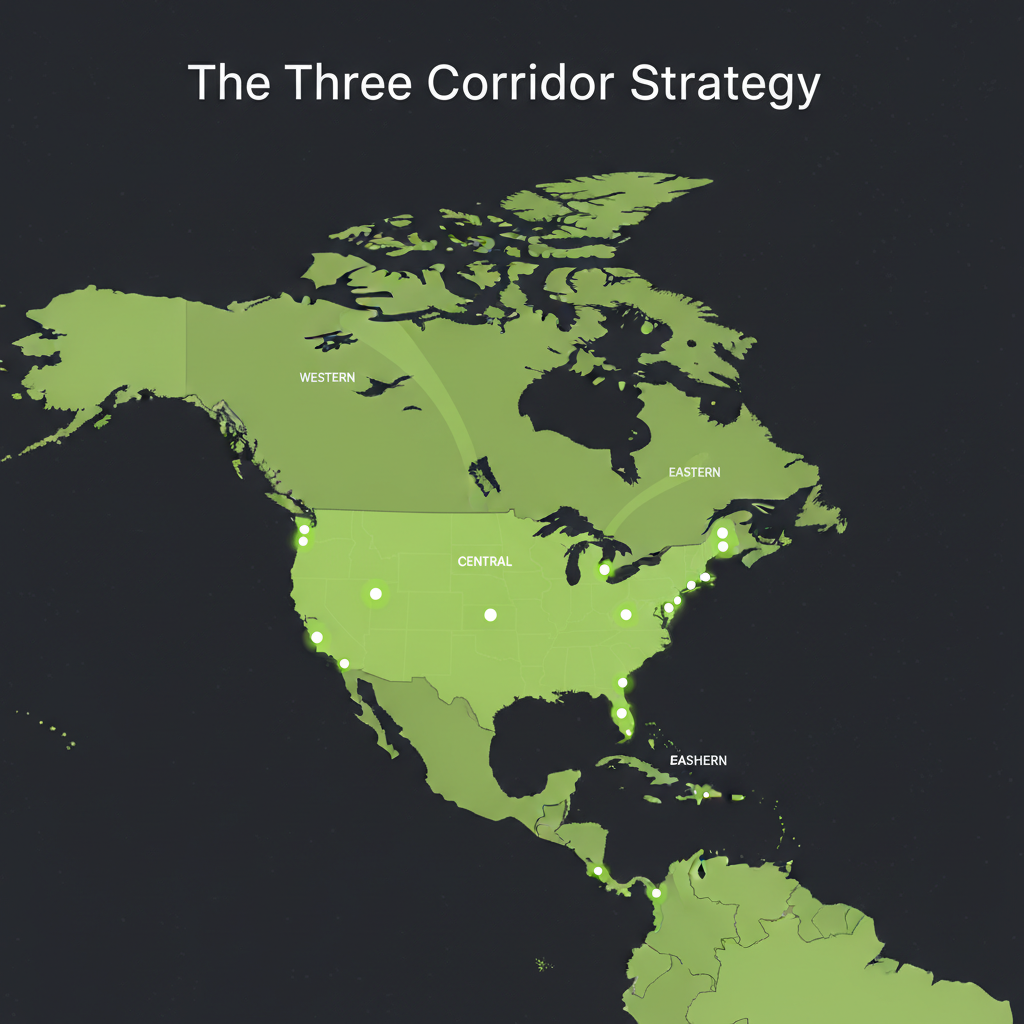
Fig 1. Visualizing the geographic regions for optimal match hopping.
The three corridors are:
For fans in the Eastern Region, there’s a fantastic travel hack. The Northeast Corridor (Amtrak) rail line connects Boston, New York/New Jersey, and Philadelphia. Taking the train is often faster and much more relaxing than dealing with short-haul flights and airport security.
Your Ultimate Host City & Stadium Guide
Knowing your stadium and its city is crucial for a smooth matchday experience. Each of the 16 host cities offers a unique atmosphere, but also its own logistical quirks. Here’s a look at some of the key venues.
The Marquee Venues: New York/NJ & Mexico City
The tournament’s grand finale will take place at MetLife Stadium in New York/New Jersey. While the stadium is technically in New Jersey, most fans will want to stay in Manhattan for the vibrant atmosphere. The best way to get to the match is the dedicated NJ Transit Meadowlands Rail from Penn Station.
Meanwhile, the historic Estadio Azteca in Mexico City will host the opening match. This legendary stadium sits at a high altitude, so give yourself time to acclimate.
Key Hubs: Dallas & Atlanta
AT&T Stadium in Dallas (Arlington) will host nine matches, the most of any city. However, be warned: the stadium is 20 miles from downtown Dallas with no regular public transit. Your best bet will be the official World Cup shuttle buses.
In contrast, Mercedes-Benz Stadium in Atlanta is a model of convenience. Located downtown, it is directly accessible via the MARTA rail system.
Fan Survival Guide: Heat, Tickets, and Accommodation
Beating the Summer Heat
The tournament’s June and July schedule means extreme temperatures are a real concern, especially in the Central and Eastern regions. Thankfully, several venues, including those in Atlanta, Dallas, and Houston, are climate-controlled. For outdoor stadiums like those in Miami or Kansas City, the heat and humidity can be intense. Therefore, booking evening matches is a much more comfortable choice.
No Ticket? No Problem!
Even if you don’t have a match ticket, you can soak up the atmosphere. Every host city will have an official FIFA Fan Festival. These are massive free parties with giant screens, live music, and food. Confirmed iconic locations include Atlanta’s Centennial Olympic Park and Mexico City’s famous Zócalo Square.
Smart Accommodation Hacks
Hotel prices are expected to skyrocket. A key tip is to book rooms with “flexible cancellation” as soon as the group stage draw is announced in late 2025. Furthermore, in sprawling cities like Los Angeles or Dallas, don’t just book a hotel “near the stadium.” These areas are often isolated. Instead, stay near major transit hubs in the city center, like Center City in Philadelphia or Downtown in Boston, for a better overall experience.
Conclusion
The 2026 FIFA World Cup promises to be an unforgettable, continent-spanning festival of football. Success for traveling fans will undoubtedly hinge on smart, early planning. By understanding the visa requirements, adopting a regional travel strategy, and learning the transport tricks for your chosen host cities, you can avoid logistical headaches. Whether you’re cheering from inside a state-of-the-art stadium or celebrating at a vibrant Fan Fest, a little preparation will ensure your focus remains on the beautiful game.