Why HRV and Sleep Are Your New Training Baseline
Remember when your fitness tracker’s main job was counting steps? That era is officially over. In 2026, the world of sports technology has evolved far beyond simple data collection.
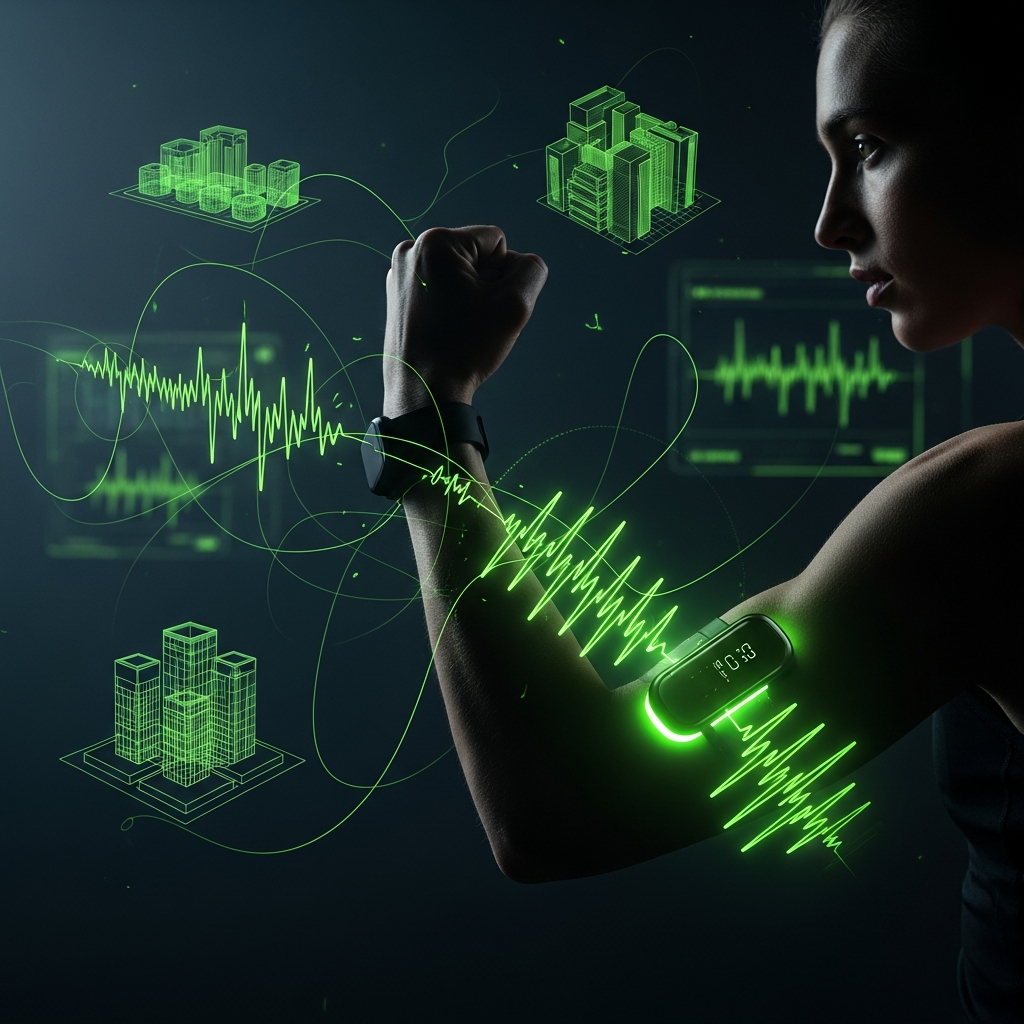
Today’s wearables are your personal “AI Wingman,” transforming complex biometrics into actionable intelligence. They no longer just report what you did; they interpret your body’s signals to manage your physiological budget.
Consequently, the focus has shifted dramatically from chasing generic goals to understanding your personal, dynamic baseline. At the heart of this revolution are two critical metrics: Heart Rate Variability (HRV) and sleep performance. These are no longer just interesting data points; they are the foundational pillars of modern athletic readiness and long-term health. Let’s explore why.
The “Dynamic Baseline” Revolution
In the past, we compared ourselves to static population averages. However, 2026 is all about you. The most significant innovation is the concept of a “Dynamic Baseline,” a fluid metric calculated by AI over a rolling 14-to-30-day window. This changes everything because your body isn’t static, and your data shouldn’t be either.

Context and Transparency
Modern AI models, like those in the WHOOP 5.0 and Oura Ring 4, understand contextual normalcy. For instance, a 20% drop in your HRV might seem alarming. But if it remains within your 30-day “baseline corridor,” your device understands it’s likely just a “bad day,” not a “downward trend,” and may still give you a green light to train.
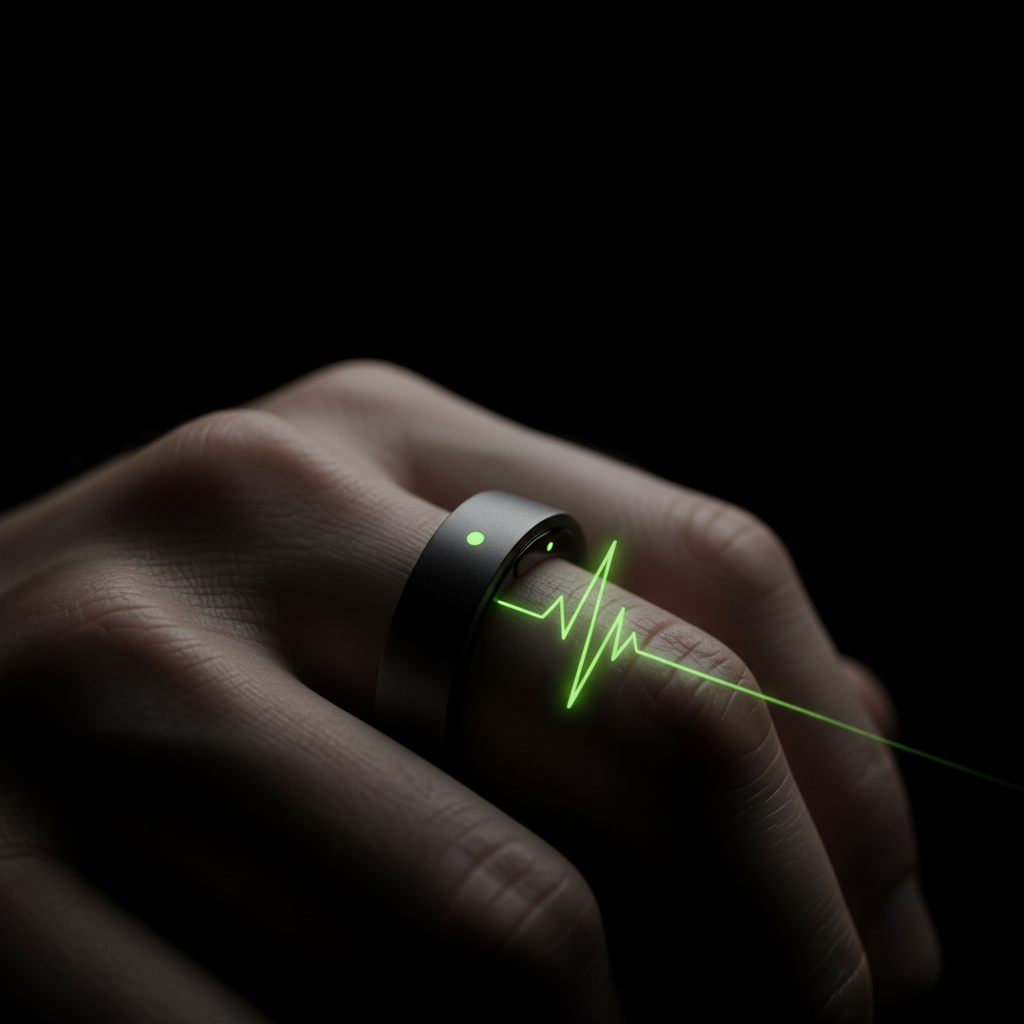
High-precision smart rings are redefining continuous biometric monitoring.
Furthermore, this new era values transparency through Explainable AI (XAI). Instead of a vague “Readiness Score,” your app now breaks it down for you. You’ll see insights like: “Recovery is at 65% because your HRV is 15% below baseline, while your respiratory rate remained stable.” This clarity empowers you to make smarter decisions.
HRV: The Gold Standard for Your Nervous System
Heart Rate Variability (HRV) has become the primary metric for what experts call “Nervous System Budgeting.” It measures the variation in time between each heartbeat, offering a powerful snapshot of your autonomic nervous system’s readiness.
- ✓High-Fidelity Snapshots: Some devices favor a single, clean measurement taken during your final cycle of deep sleep to eliminate external noise.
- ✓Continuous Nightly Curves: Detailed sampling showing exactly when your body transitioned from a stressed to a recovered state overnight.
Sleep Tracking: From Rest to Active Performance
Sleep is no longer viewed as a passive activity. Instead, it’s understood as your most critical “performance window.” The quality of your sleep directly impacts hormone regulation, muscle repair, and cognitive function.
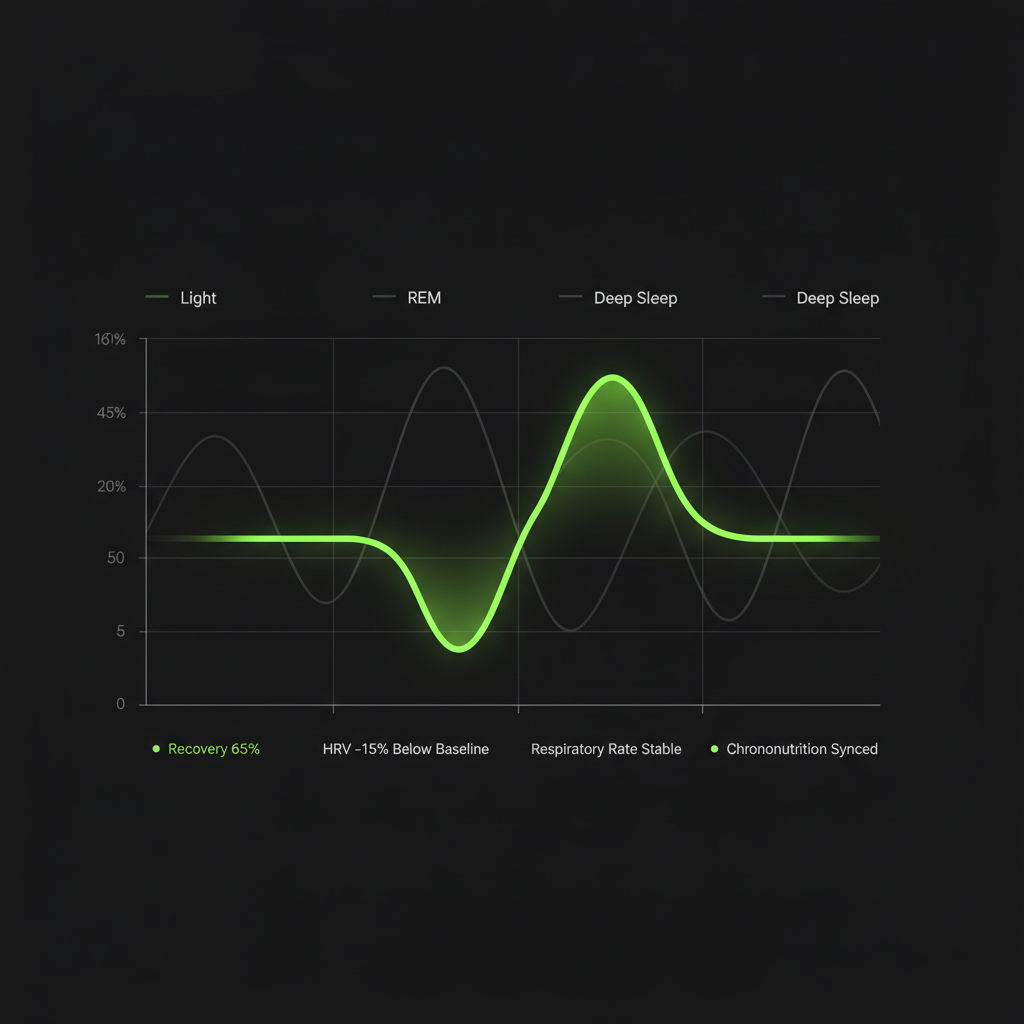
Advanced sleep staging visualizations help users identify critical recovery windows.
AI-Powered Sleep Management
AI now plays a crucial role in identifying and managing sleep quality. From Chrononutrition (syncing with Continuous Glucose Monitors) to Disruptor Identification, your wearable acts as a forensic scientist for your rest.
Devices like the Garmin Fenix 8 calculate your “Sleep Need” in real-time, adjusting throughout the day based on accumulated strain.
Conclusion: Your Body, Your Baseline
The age of generic fitness plans is behind us. In 2026, wearable technology provides a deeply personalized approach. By focusing on your own dynamic baseline, you can train smarter, recover faster, and build long-term resilience. With HRV and sleep tracking as your foundation, you’re no longer just guessing—you’re listening.