The world of content creation has changed. In 2026, we’ve moved beyond simple tools into an “AI-first” era. Success now depends on speed, automation, and repurposing content across multiple platforms. Whether you’re a solo creator, part of a sports media team, or a global marketing department, choosing the right tools is crucial. This guide breaks down the best content creation tools available today, helping you build a powerful and efficient workflow.
AI Co-pilots: The New Standard for Writing & SEO
Writing is no longer a solitary activity. Modern tools act as AI co-pilots, helping with everything from research and drafting to a final, polished product. This significantly speeds up the process while improving quality.
Brainstorming and Drafting
For initial ideas and creating outlines, conversational AI is the gold standard. ChatGPT and Claude are excellent for exploring complex topics. For instance, Claude is often praised for its human-like tone, which helps in drafting content that connects with readers. For fact-heavy articles, however, Perplexity AI is essential.

Optimization and Polish
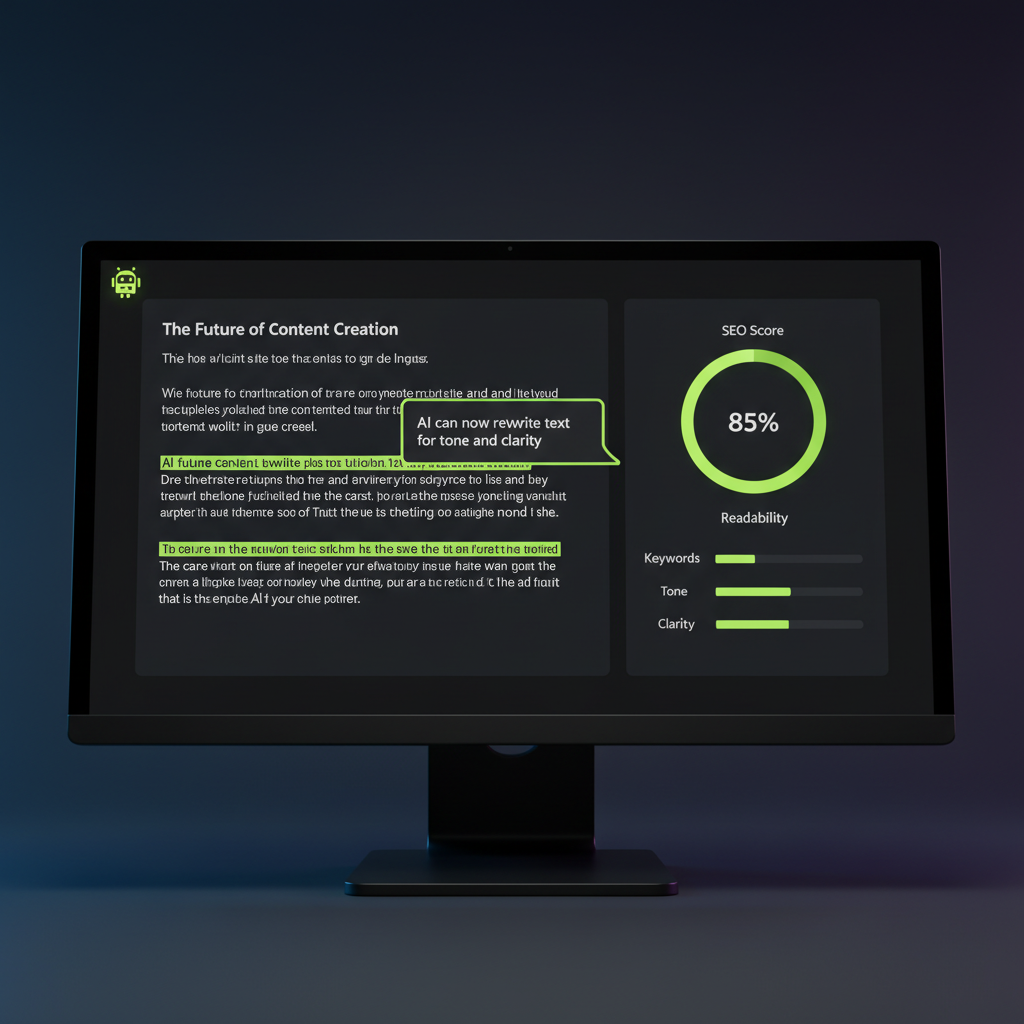
Once you have a draft, other tools take over. Surfer SEO and Jasper are leaders in long-form content. Surfer provides real-time SEO feedback. Grammarly has evolved to rewrite your text for tone and clarity.
Visuals on Autopilot: Graphic Design and Video Generation
Visual content dominates social media and marketing. Thankfully, creating professional-grade visuals no longer requires a design degree. AI-powered tools have made high-quality design accessible to everyone.
For Quick and Easy Graphics
Canva’s Magic Studio is the perfect tool for non-designers. You can generate images from text, remove backgrounds, and instantly resize a design for every social media platform. In contrast, for those needing more power, Adobe Express offers professional templates.
The New Wave of Video Editing
Video editing used to be a huge time commitment. Today, new tools focus on speed and simplicity. CapCut is the go-to editor for short-form content like TikToks and Reels because it always has the latest trending effects and auto-captions.
For longer videos and podcasts, Descript offers a revolutionary text-based editing system. You simply edit the video by editing the text transcript. Consequently, this makes the editing process as easy as editing a document.
The Backbone: Cloud Storage and Asset Management
Creating amazing content is only half the battle. You also need a robust system to store, share, and manage your digital assets. This is especially true when working with large video files or collaborating with a team in real-time.
Choosing Your Cloud Storage
First, it is important to understand the difference between cloud storage and cloud backup. Cloud storage, like Google Drive, is for active access. In contrast, cloud backup services like IDrive are for disaster recovery.
For daily use, pCloud offers excellent value with its “Lifetime” plans, while Internxt is the choice for privacy.
A Real-World Example: Managing Match Day Assets
A perfect example of a high-pressure asset management system is a sports team on match day. Using a tool like Google Drive, teams can create a seamless workflow.
- Folder Hierarchy: Create logical paths like 2026-Season > April > 2026-04-02 vs Opponent.
- Categorization: Use subfolders for Live Action, Final Edits, and Pre-Match assets.
- Standardization: Implement a clear naming convention: YYYY-MM-DD_TeamName_AssetType.jpg.

Audio and Social Management Tools
Finally, let’s cover the tools that handle your audio content and social media presence. AI is revolutionizing this space, enabling creators to produce content in multiple languages.
Podcasting
Riverside.fm and ElevenLabs lead the charge. ElevenLabs provides ultra-realistic AI voice cloning for global dubbing.
Social Scheduling
Sprout Social and Buffer bring order to chaos with deep analytics and clean scheduling interfaces.
Conclusion: Build Your Perfect Creator Stack
The era of using one tool for everything is over. The best creators in 2026 build a “stack” of specialized, AI-powered tools that work together. Start by identifying your primary content type—whether it’s writing, video, or audio—and choose a best-in-class tool for that job. By combining these elements, you can create higher-quality content faster and reach a wider audience than ever before.