The Ultimate Gear Guide to Post-Match Sleep Optimization
“The final whistle blows, but for an elite athlete, the game is far from over. The most critical phase begins now: recovery.”
In 2026, bio-hacking performance is no longer a fringe science; it’s the standard. Consequently, optimizing post-match sleep has become the ultimate competitive advantage, crucial for muscle repair, mental sharpness, and injury prevention.
Cool Down to Recover Faster: The Rise of Temperature-Controlled Mattresses
A hot, restless night can undo all the hard work from your training. That’s because your body temperature needs to drop to initiate and maintain deep sleep. Therefore, advanced mattresses are now essential tools for athletes. These aren’t just beds; they are active recovery systems.
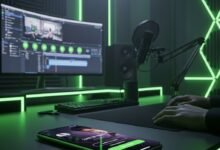
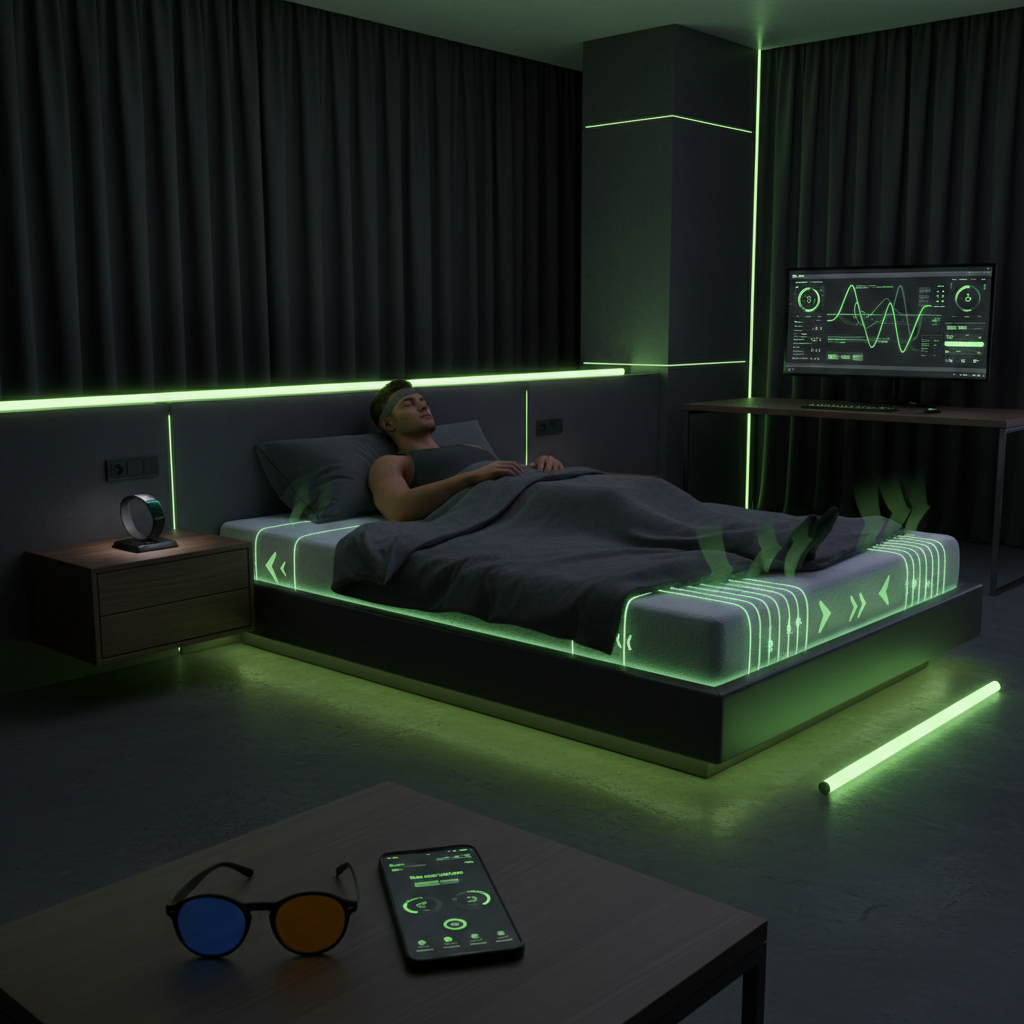
Brands in 2026 incorporate incredible cooling technology. For instance, mattresses use features like:
- Breathable Tencel covers are found in WinkBeds and Helix Midnight Luxe models.
- Gel and copper-infused foams that actively draw heat away from the body.
- Celliant fibers, used in the Bear Original, which convert body heat into infrared energy to boost circulation and speed up muscle recovery.
- Phase change materials that absorb and release heat to maintain a stable temperature all night long.
The Tempur-Pedic TEMPUR-LuxeBreeze 2.0 and Dorelan’s Re: Active System with “CoolNight” fabric are setting new standards. They provide a consistently cool environment, which is vital for athletes with intense training schedules.
Smart Beds for Personalized Comfort
Furthermore, technology now offers personalized sleep. Smart beds and airbeds allow you to adjust firmness and temperature in real-time. This means you can adapt your sleep surface based on your recovery needs, whether you had a light training day or a grueling match.
Master Your Light Exposure: The Blue-Light Protocol
Your body has an internal clock, the circadian rhythm, and light is its master controller. However, the artificial blue light from phones, tablets, and TVs can seriously disrupt it. This light tricks your brain into thinking it’s still daytime, suppressing the production of melatonin, the essential sleep hormone.
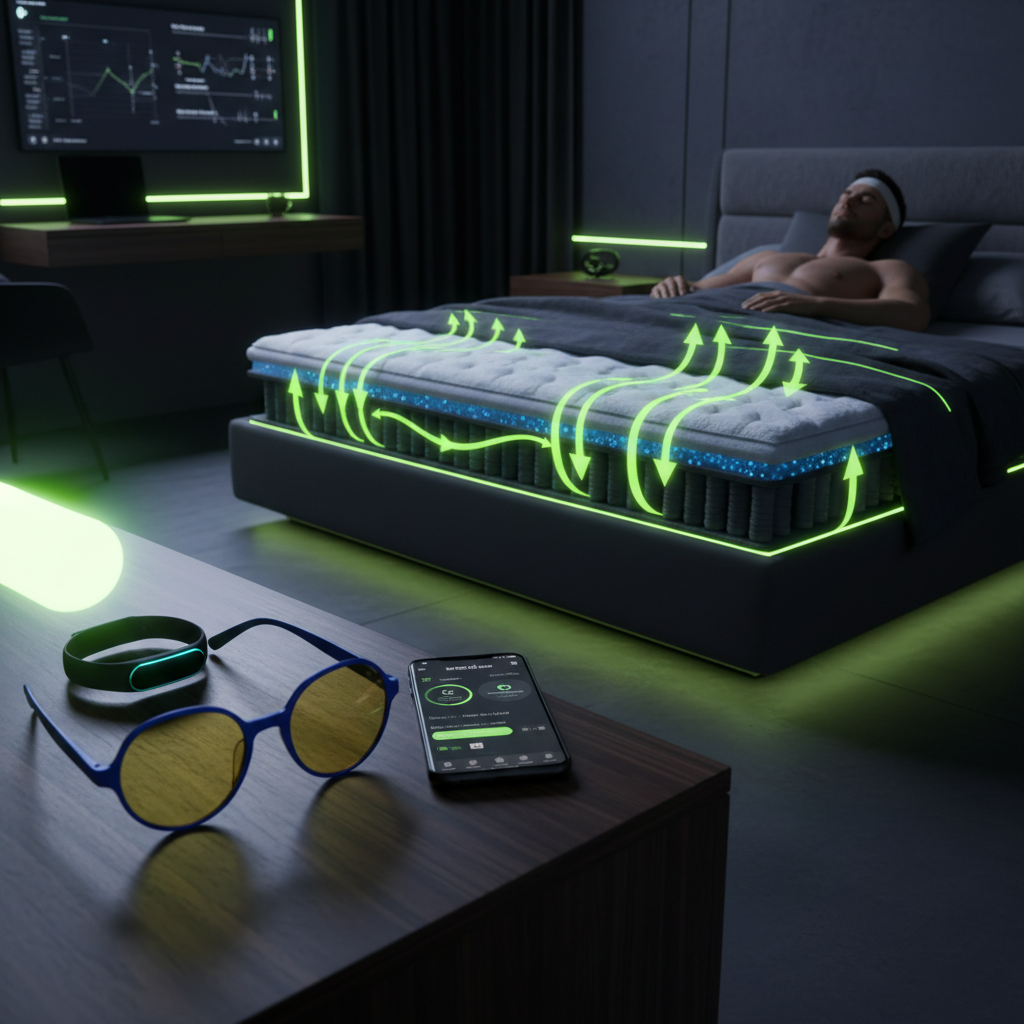
Evening Wind-Down: Blocking Blue Light
To counter this, athletes now follow a strict blue-light protocol. The rule is simple: avoid all screens and bright LEDs for at least two hours before your target bedtime. This simple habit allows your melatonin levels to rise naturally, preparing your body for deep, restorative sleep.
Of course, completely avoiding screens isn’t always practical. This is where blue-light blocking glasses become a game-changer. High-quality options like Swanwick Sleep Swannies or Ra Optics Twilight Lens filter out the disruptive blue and green wavelengths, protecting your sleep without forcing you offline.
Morning Kick-Start: Strategic Blue Light
Conversely, light is your friend in the morning. Exposing yourself to 20-30 minutes of natural sunlight or a blue light panel within two hours of waking can be incredibly beneficial. This practice helps reset your body clock, boosting alertness, sharpening focus, and improving reaction times. For athletes traveling across time zones, this is a powerful tool to combat jet lag.
Beyond the Tech: Building Your Ultimate ‘Sleep Cave’
A high-tech mattress and smart light management are foundational. However, to truly optimize recovery, elite athletes build a complete sleep ecosystem, often called a “sleep cave.” This starts with prioritizing sleep duration. Most top performers need 8-10 hours per night to recover fully.
Environment Factors
- Dark: Blackout curtains or molded masks.
- Quiet: White noise machines.
- Cool: Lower room temperature.
Bio-Data
Wearable devices like WHOOP and Oura provide invaluable recovery metrics. Learn more on the WHOOP Official Blog.
Advanced Gear for Peak Recovery
In addition, several other pieces of gear complete the 2026 athlete’s sleep toolkit. Recovery-focused sleepwear, such as Dagsmejan’s Recovery Collection, uses special fabrics to improve circulation and regulate temperature while you sleep. By reflecting infrared energy back to your muscles, this clothing can actively reduce soreness. Check out their technology at the Dagsmejan Official Website.
Finally, simple additions like an adjustable bed to relieve pressure or a calming lavender sleep mist can make a significant difference in your wind-down routine.
Conclusion
In the world of elite sports, the margin between winning and losing is razor-thin. Optimizing post-match recovery is no longer an option—it’s a necessity. Ultimately, investing in sleep is investing in performance. It’s the most powerful, legal, and effective performance enhancer available.