
The New Playbook: How Athlete-Owners and Smart Tech are Revolutionizing Sports
The world of sports is undergoing a seismic shift. Gone are the days when athletes were simply employees and fans were passive spectators. Today, a new era is dawning, driven by players who own the teams and technology that transform the fan experience.
From the boardroom to the blockchain, a revolution is underway. Star athletes are becoming powerful owners, fundamentally changing team dynamics. Simultaneously, cutting-edge technology is reshaping how fans interact with the games they love. Let’s explore how these powerful forces are creating a more dynamic, inclusive, and profitable future for sports.
The Rise of the Athlete-Owner
Historically, athletes were on the payroll. They are now signing the checks. A desire for control and smart financial planning fuels this trend. Consequently, a new class of “athlete-owners” is emerging, bringing a player’s perspective directly into the front office.

Why Players are Buying In
Several factors are driving this powerful trend. Firstly, explosive franchise valuations have turned sports teams into high-yield assets that consistently outperform the stock market. Athletes see this as a smarter long-term investment than a simple endorsement deal.
In addition, modern players possess greater financial literacy. Stars like LeBron James and Kevin Durant have built business empires while still active in their careers. They want a seat at the table to influence everything from team culture to diversity and inclusion in leadership. [**Official SpringHill Company / LeBron James Insights**]
Michael Jordan
Turned a ~$175M purchase into a ~$3B sale, setting the gold standard for ownership.
Serena Williams
Early investor in Angel City FC, pioneering the valuation surge in women’s sports.
This shift does more than change who owns the teams. It softens the old “us vs. them” mentality between players and management, leading to more player-centric policies across leagues.
Engaging the Fan of Tomorrow
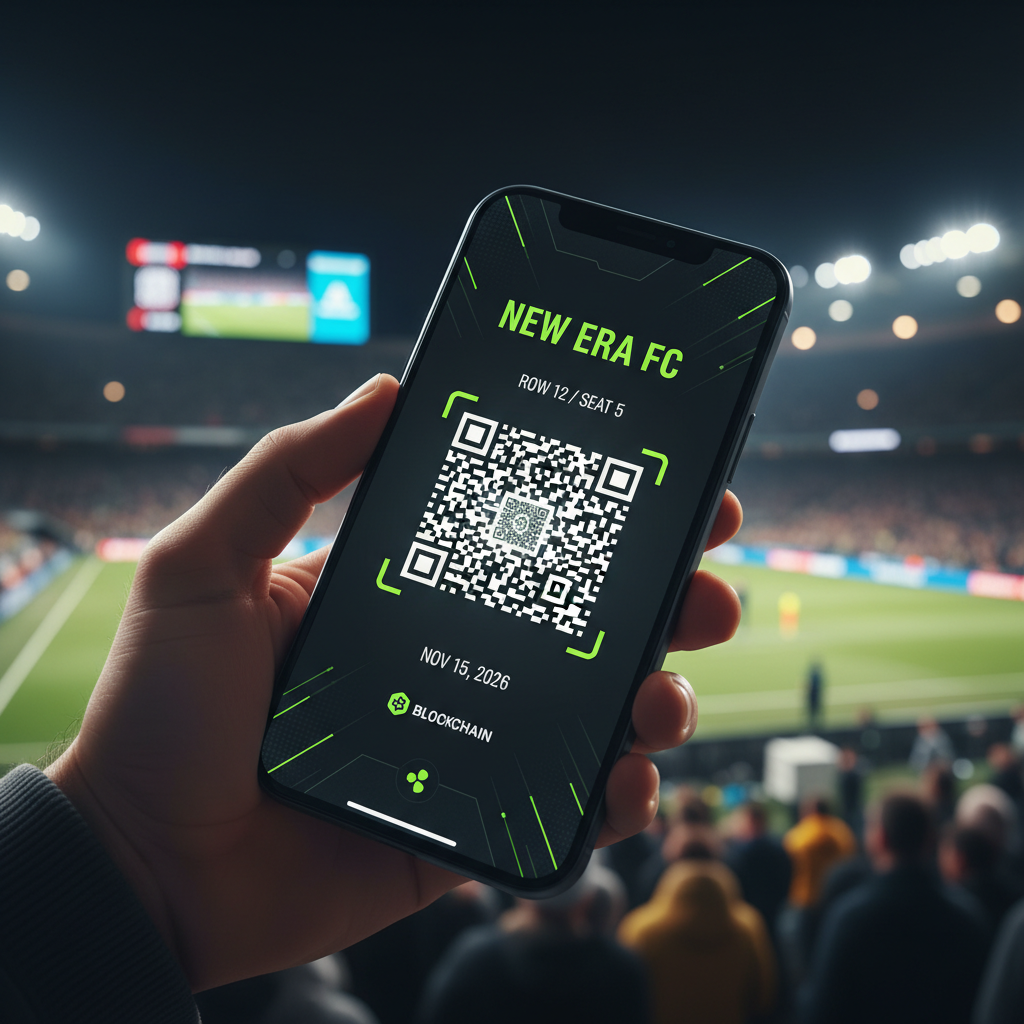
As ownership evolves, so does fan engagement. Teams now realize that building a sustainable community is more valuable than simply reaching a large audience. The focus has shifted from “rented” social media platforms to “owned” team apps, powered by incredible technology.
AI, AR, and Personalized Content
Modern fan engagement rests on three technological pillars:
- AI-Powered Personalization: Teams use IBM Watson and similar tech to create highlight reels based on fan preference.
- Immersive Viewing: NBA/NFL “alternate broadcasts” transform real-time player data into gamified visuals for Gen Z.
- Gamification: Fan tokens and live polls give supporters a voice in club decisions. [**Official FC Barcelona Fan Tech Portal**]
Smart Tickets: The End of Scalping?
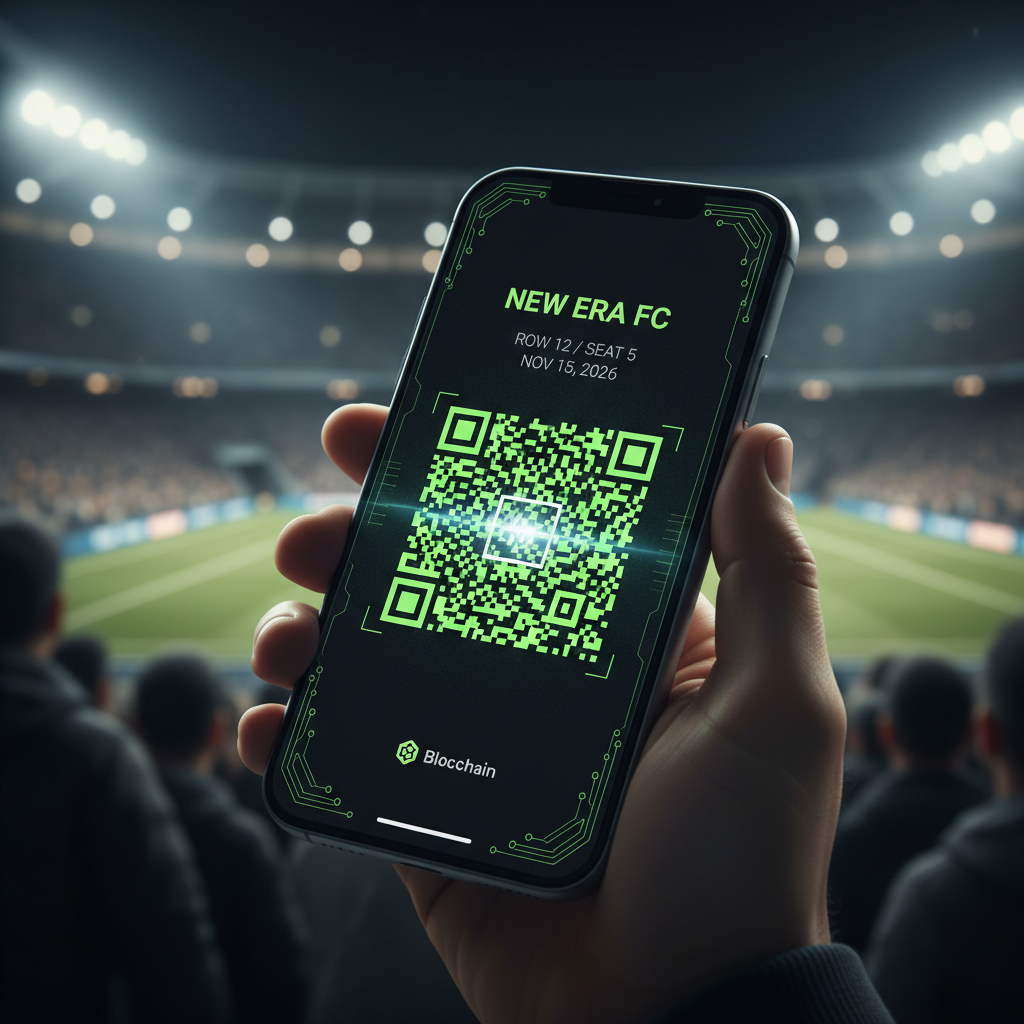
One of the most significant technological leaps is in ticketing. For decades, fans have battled counterfeit tickets and predatory scalpers. Blockchain and smart technology are finally providing a solution.
Dynamic QR Codes
Refreshing every few seconds to prevent screenshots and duplicate sales.
Programmable Assets
Smart contracts allow teams to cap resale prices and collect instant royalties.
The New York Red Bulls and Gotham FC are set to launch one of the first fully “on-chain” stadiums in 2026. The Dallas Cowboys have already used this tech to cut counterfeit risk by an estimated 90%.
The High-Stakes World of B2B Sports
Behind the scenes, the sports industry has become a major asset class. The focus has shifted from owning a team as a “trophy asset” to developing sophisticated, tech-driven business ecosystems.
The Rise of SMDs
Instead of a stadium surrounded by a parking lot, owners are building Sports-Anchored Mixed-Use Districts (SMDs). These are year-round commercial hubs with luxury housing, retail, and office space. This creates massive opportunities for B2B services in 5G connectivity and smart-city infrastructure.
Investment in women’s sports is another high-growth area, with standalone B2B sponsorships increasing by 145%. [**Official NWSL Strategic Business Growth**]
Tech analysis underpins all of this. Sports business analysts now use advanced data models to evaluate everything from player performance and fan engagement to the ROI of a new smart stadium feature. This analytical approach is transforming sports into one of the most data-rich industries in the world.
Conclusion: A New Era of Sports
The business of sports is officially in a new era. Athlete-owners are bringing invaluable experience to the boardroom, creating more inclusive and forward-thinking organizations. At the same time, technology is deepening the connection between teams and their fans, creating secure, personalized, and rewarding experiences.
This convergence is building a smarter, more resilient, and more engaging sports world. From eliminating ticket scalpers with blockchain to building entire commercial districts around a stadium, the game has expanded far beyond the field. The future of sports is here, and it’s being led by empowered athletes and intelligent technology.