
A cultural shift is making sports more inclusive and accessible, leading to significant growth in alternative activities. This blog post explores the rise of “New Era” sports and leagues that cater to a digital generation by prioritizing fun, social interaction, and accessibility over traditional formats.
The Rise of “New Era” Sports
The landscape of athletics is shifting beneath our feet. Modern sports often blend familiar game elements with unique twists, making them exciting and easy to understand. The focus has pivoted from rigid traditionalism to high-energy social interaction and pure enjoyment.
Padel
A hybrid of tennis and squash. Known for being social, strategic, and beginner-friendly. Currently the world’s fastest-growing racket sport.

Pickleball
Combines tennis, badminton, and ping-pong—low-impact and accessible across all age groups, leading US growth metrics.
Teqball
Table tennis is played with a soccer ball on a curved table. High focus on ball control and agility, favored by pro footballers.
Girls Flag Football
Explosive high school growth with Olympic inclusion slated for 2028. High institutional support.
Other popular sports like Dodgeball, Footgolf, and Ultimate Frisbee also share traits of low barriers to entry, community focus, and high fun factors. You can learn more about these emerging communities on Global Sports Databases.
Kings League: A Case Study in Organized Chaos
The Kings League, founded by Gerard Piqué, has successfully captured the Gen Z audience (approximately 85% under 30). These fans are moving away from traditional football, seeking something more dynamic. It operates on a “sportainment” model, blending competitive football with the energy of online streaming.
Rules for the Digital Age:
- Short Matches: Two 20-minute halves optimized for attention spans.
- No Draws: Tied games decided by thrilling midfield penalty shootouts.
- Water Polo-Style Kick-offs: Players sprint from their goal line for ball possession.
- “Secret Weapons”: “Golden cards” used for instant penalties or doubling goal values.
The league streams for free on platforms like Twitch and TikTok, reaching young fans directly and generating shareable, highlight-worthy content. This model is often compared to trends discussed in Major Sports Analysis networks.
Charting a New Course: Blue Ocean Strategy
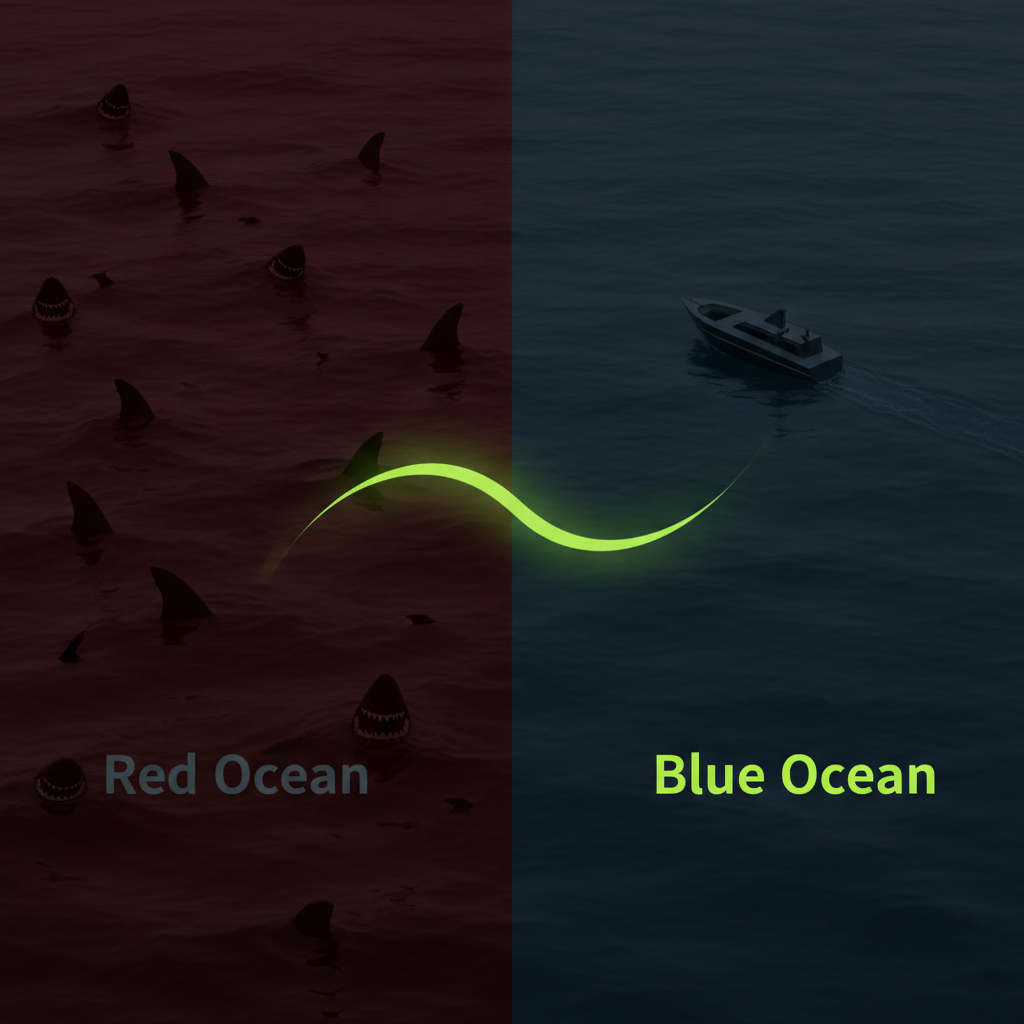
The success of leagues like the Kings League exemplifies a “Blue Ocean Strategy”—creating new, uncontested market spaces rather than competing in saturated “red oceans.” Traditional sports fight for the same fans and media, while the Kings League targets “non-customers.”
The Format Is Everything
Successful new sports leagues require formats that balance competitive integrity, financial stability, and fan engagement. Many adopt a franchise-based model combined with innovative competitive structures. Examples include 3-on-3 basketball, which has successfully transitioned into an Olympic sport.

Conclusion: The Future is Diverse
The sports landscape is rapidly evolving. Accessible, social, and high-energy games are paving the way for new leagues. By embracing chaos, shortening formats, and prioritizing entertainment, innovators are capturing Gen Z’s attention. The future of sports will be more diverse, interactive, and undeniably exciting.