In a world dominated by TikToks, Reels, and Shorts, grabbing attention in the first three seconds is everything. A static logo just doesn’t cut it anymore.
Consequently, creators and brands worldwide are turning to motion graphics to bring their visual identity to life with energy and style. You’ve likely seen them: sleek, animated logos that pulse with light, glitch into view, or stomp to the beat of a track.
The great news? You no longer need a Hollywood budget or years of training to create them. Thanks to a new wave of powerful and intuitive content creation tools, making a professional-grade animated club logo is easier than ever. This guide will walk you through the essential concepts, tools, and steps to make your brand’s intro unforgettable.
Understanding the Basics: Motion Graphics vs. Animation
First, let’s clarify what we’re making. While often used interchangeably, motion graphics and animation are slightly different. Animation typically tells a story with characters, like a Disney film. In contrast, motion graphics is about making graphic design move. Think of it as bringing text, shapes, and logos to life to communicate an idea or feeling.
-
Luis Diaz Steals the Show as Colombia Survive a Scare Against Debutants Uzbekistan Focus Keyphrase: Uzbekistan Colombia World Cup 2026 result Secondary Keywords: Luis Diaz goal assist Colombia, Daniel Munoz goal World Cup, Jaminton Campaz winner Colombia, Abbosbek Fayzullaev Uzbekistan goal, Colombia Group K World Cup 2026, Estadio Azteca World Cup, Uzbekistan World Cup debut, Fabio Cannavaro Uzbekistan coach, Cucho Hernandez assist, World Cup 2026 Group K standings Meta Description: Luis Diaz scored a goal and set up another as Colombia survived a spirited Uzbekistan fightback to win 3-1 at the Estadio Azteca, with substitute Jaminton Campaz settling it in stoppage time. Published: June 19, 2026 | Category: FIFA World Cup | Reading Time: ~6 minutes Colombia Needed a Hero. Luis Diaz Volunteered. It was supposed to be straightforward. Colombia, the Copa America runners-up, arrived at the Estadio Azteca with a squad full of established quality and a debutant opponent many expected them to brush aside comfortably. For long periods, that script played out exactly as written. Then Uzbekistan, managed by World Cup winner Fabio Cannavaro, decided they had other ideas. What followed was a contest far tighter and far more dramatic than anyone inside the Azteca anticipated — settled only deep into stoppage time, and only because Luis Diaz refused to let his country’s World Cup comeback start with anything other than victory. Colombia 3-1 Uzbekistan. A goal and an assist from Diaz. A nervy finish that nobody saw coming. First Half — Colombia Control, But Cannot Find the Breakthrough Early A Frustrating Start for the South Americans Colombia had the better of the opening exchanges from the very first whistle, but found themselves repeatedly denied by a deep, disciplined Uzbekistan defensive setup. Jhon Arias fired Colombia’s first real chance narrowly wide from outside the box. Moments later, Diaz struck the post after a driving run, only to be bundled off the ball by Manchester City defender Abdukodir Khusanov in the aftermath — a foul that earned Khusanov a yellow card alongside a moment of unintended comedy as he collected a pitch-side cameraman in the process. The pattern continued. Colombia probing. Uzbekistan absorbing. The breakthrough refusing to arrive. Munoz Breaks the Deadlock (40′) Six minutes before half-time, the pressure finally told. Diaz picked himself up after the earlier foul and produced the moment that mattered. Gathering possession after a stalled Uzbekistan attack, he clipped a beautifully weighted pass into the path of Daniel Munoz, who swivelled smartly inside the box and steered a superb finish beyond goalkeeper Utkir Yusupov. It was Munoz’s third international goal — and the perfect reward for a Colombian side that had dominated every statistical measure of the first half. Uzbekistan, remarkably, had failed to register a single touch inside the Colombian box throughout the entire opening 45 minutes. The large Colombian travelling support, filling significant portions of the Azteca in yellow, erupted. Chants of “Vamos Colombia” rolled around the stadium. Half-Time: Colombia 1-0 Uzbekistan Second Half — Uzbekistan Roar Back Into the Contest A Historic Equaliser (60′) Whatever Fabio Cannavaro said to his players at half-time, it worked. Uzbekistan emerged with considerably more attacking intent and were rewarded with their first real opportunity of the match on the hour mark. Dostonbek Khamdamov found Eldor Shomurodov inside the box, whose effort was parried low by goalkeeper Camilo Vargas — but the Colombian could not hold it. Abbosbek Fayzullaev reacted fastest, nodding home the loose ball from close range. It was Uzbekistan’s first-ever World Cup goal, scored on their tournament debut. The small but passionate band of Uzbek supporters inside the Azteca made themselves heard, their drums echoing around the stadium in response to Colombia’s earlier chants. For five minutes, the contest hung in genuine balance. Diaz Restores the Lead (65′) It did not last. Gustavo Puerta released Diaz into space, and the Bayern Munich winger did the rest himself — side-footing a composed finish across goal and beyond Yusupov’s despairing dive. Colombia’s lead was restored. Diaz now had a goal and an assist to his name on his country’s return to the World Cup stage — exactly the kind of individual quality his club form across 51 appearances and 49 goal involvements had promised he could deliver on the international stage. Uzbekistan Refuse to Go Quietly To their enormous credit, the World Cup debutants did not collapse after falling behind for a second time. Bekhruz Karimov burst forward on a thrilling run that was eventually halted by a crucial intervention from Jhon Lucumi just as he prepared to shoot. Moments later, Karimov tried again from distance — a thunderous strike that crashed against the crossbar with Vargas well beaten. Akmal Mozgovoy fired narrowly off target in the closing stages. Azizbek Amonov saw a shot blocked after good build-up play. Uzbekistan were throwing everything forward, sensing that a remarkable point against established Copa America finalists was within reach. Campaz Seals It at the Death (90+9′) The drama was not finished. Deep into the ninth minute of stoppage time, substitute Cucho Hernandez chased down a long ball that looked destined to go out of play, somehow retained possession on the byline, and whipped a delicious cross across the face of goal. Fellow substitute Jaminton Campaz arrived perfectly and powered a header beyond Yusupov to settle the contest once and for all. Colombia 3-1 Uzbekistan. Relief and celebration in equal measure on the Colombian bench. Full-Time: Colombia 3-1 Uzbekistan Match Facts DetailColombiaUzbekistanGoalsMunoz (40′), Diaz (65′), Campaz (90+9′)Fayzullaev (60′)Possession56%33%Shots158Shots on Target42Expected Goals (xG)1.621.16Attendance80,000+—VenueEstadio Azteca, Mexico City— The Standout Performer — Luis Diaz Forget the early lack of fanfare around his arrival at this tournament. Luis Diaz has just made absolutely sure that nobody overlooks him again. A goal. An assist. A constant menace down the left channel that gave Uzbekistan’s defence problems all evening. Diaz arrived at the World Cup with little of the spotlight that has followed Mbappe, Messi, Haaland, and Kane through the opening matchdays — but his performance against Uzbekistan was a clear statement that he intends to be part of that conversation by the time this tournament finishes. His club record — 49 goal involvements in 51 appearances for Bayern Munich across all competitions — translated directly onto the World Cup stage. Colombia’s South American flair and creativity flowed through him from the first whistle to the last. A Word for Uzbekistan — Pride in Defeat There should be no shame attached to this result for the World Cup debutants. Uzbekistan, managed by the legendary Fabio Cannavaro, were disciplined and well-organised for long periods, restricting Colombia to relatively limited clear-cut opportunities despite their territorial dominance. Their response after falling behind — scoring their first-ever World Cup goal and then continuing to push for an equaliser deep into stoppage time — showed genuine character. Karimov’s crossbar strike, Mozgovoy’s late effort, and the overall fight shown in the second half will give Cannavaro plenty to build on heading into their next group match against Portugal. What It Means for Group K Colombia’s victory sends them top of Group K after the opening round of matches — a position made even sweeter by events earlier in the day, when Portugal were held to a 1-1 draw by DR Congo, opening up an opportunity that Colombia seized gratefully. Group KPlayedPointsGD🇨🇴 Colombia13+2🇵🇹 Portugal110🇨🇩 DR Congo110🇺🇿 Uzbekistan10-2 Colombia next face DR Congo on June 23 in Guadalajara, while Uzbekistan take on Portugal the same day in Houston — a fixture that now carries significant weight for both sides’ qualification hopes. The Numbers Behind a Remarkable Record This victory extends Colombia’s strong recent record in World Cup group-stage football to seven wins in their last eight matches at this stage of the tournament — a statistic that speaks to the consistency Nestor Lorenzo has built into this squad heading into the new expanded format. For a nation that missed out on the 2022 World Cup entirely, this winning return to the tournament’s biggest stage will be celebrated long after the final whistle. Final Thoughts: The Tournament’s 48 Teams Now All Seen With this result, every one of the 48 teams competing at the 2026 World Cup has now played their opening fixture — and the picture, as pundits have noted, is beginning to take real shape. Some sides look like genuine contenders. Others look capable of being dark horses. And debutants like Uzbekistan have already shown, in defeat, that they belong on this stage and have the character to compete with nations who have far greater World Cup pedigree. Colombia, for their part, have exactly the start they wanted — three points, a player announcing himself as a genuine star of the tournament, and a group table that now looks very favourable heading into matchday two.
1 week ago
An animated logo for a video intro is a perfect example of motion graphics. Its job is to quickly establish brand identity and set a mood, making it a vital tool for anyone from YouTubers in Lagos to marketing agencies in London.
Step 1: Define Your High-Energy Aesthetic
Before you even touch a piece of software, you need a concept. For a club or nightlife brand, you want high-contrast visuals and energetic motion. Fortunately, there are several popular styles to choose from.

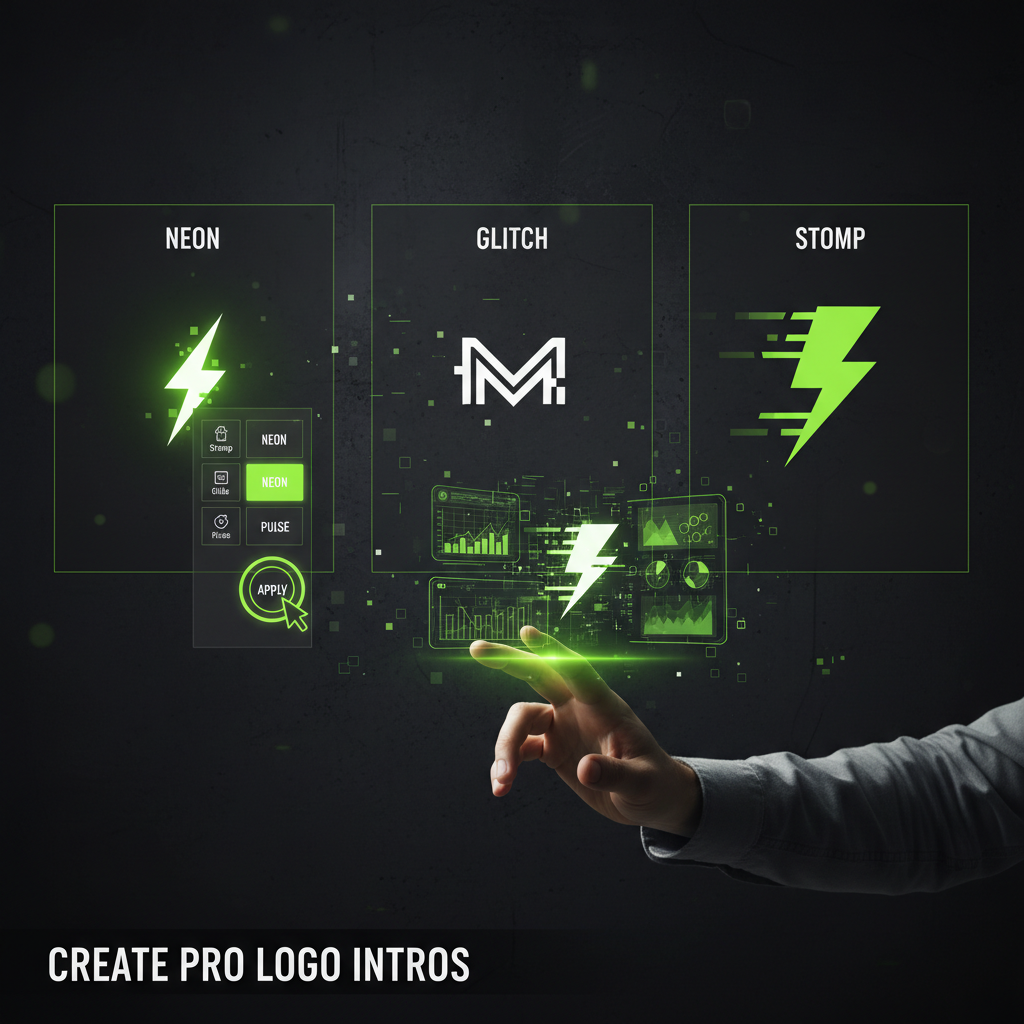
Visual examples of popular high-energy motion styles for 2026.
- Stomp/Beat-Sync: This is all about rhythm. The logo elements “stomp” onto the screen, perfectly timed with a heavy musical beat. It feels aggressive and confident.
- Outline/Stroke Reveal: A clean and modern approach where the lines of the logo are “drawn” on screen before the full shape is revealed.
Step 2: Pick Your Perfect Content Creation Tool
The 2026 content creation landscape is all about AI-integrated workflows. The right tool depends on your budget, skill level, and desired outcome.
For Beginners: The “Prompt-to-Publish” Path
If you’re new to design, these tools offer the fastest path to a great-looking result. They rely on templates and simple-to-use interfaces.
- 01Canva (Magic Studio): Still the undisputed leader for non-designers.
- 02Adobe Express: Direct competitor with powerful Adobe font access.
For Intermediate Users: Precision and Control
These tools give you more control, especially for syncing your animation to a specific music track. They are perfect for creators in the US, UK, and beyond who are comfortable with timeline-based editing.
- CapCut: This mobile and desktop editor is fantastic for beat-syncing. You can easily add markers and use keyframes.
- Descript: AI-assisted workflow makes complex tasks simpler for video creators.
For Professionals: The Industry Standards
For complete creative freedom, professionals turn to these powerhouse applications.
Adobe After Effects: This is the industry standard for 2D motion graphics. Combined with plugins, it can create anything you can imagine.
Blender: A completely free and open-source 3D suite, Blender has become a serious professional tool. It’s excellent for creating 3D logo reveals.
Step 3: Your Quick-Start Animation Guide (Using Canva)
- 1. Start with a Template: In Canva, search for “Intro Video” and look for a dark, club-style template.
- 2. Upload Your Logo: Use a logo file with a transparent background (.PNG).
- 3. Apply Effects: Place your logo, click “Animate,” and choose “Stomp” or “Neon.” You can find tutorials and inspiration on this at Canva’s Design School blog.
- 4. Add Audio: Search for tracks like “EDM” or “Deep House.”
- 5. Time and Export: Adjust timing to the beat and download as MP4.
Beyond the Animation: Pro Tips for a Standout Intro
Creating the motion is only half the battle. To make your intro truly professional, always remember these key tips.
Rule 01
Keep it Short
Stay between 3 and 5 seconds to avoid audience drop-off.
Rule 02
Sound Design
Add “whoosh” or “buzzing” SFX for that final layer of polish.
Rule 03
High Contrast
Use dark backgrounds with vibrant logo colors for readability.
Contrast is a core principle discussed by many design experts, including those at Smashing Magazine’s blog.
The 2026 Conclusion: Your Turn to Create
In 2026, content creation is less about manual labor and more about orchestrating powerful AI-driven systems. The most successful creators follow a “Human-in-the-Loop” model: they let AI handle 80% of the work, then spend their time on the final 20%—the strategic polish.
With the tools and techniques above, you now have a clear roadmap to create a dynamic, professional animated logo intro. So go ahead, bring your brand to life and make those first few seconds count.