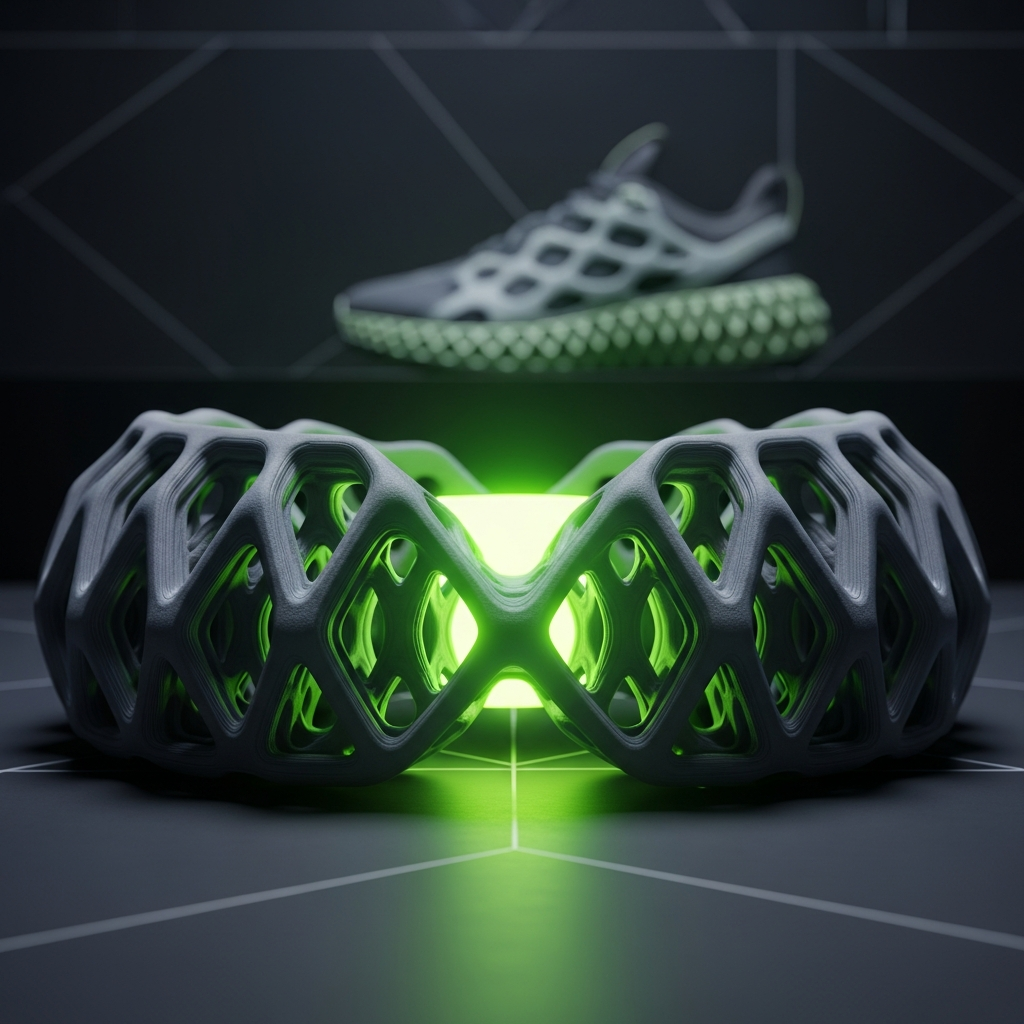
Step into 2026:
3D-Printed Footwear
Standard sizes are history. Experience the “made-to-measure” revolution where your data becomes your design.
Standard shoe sizes are quickly becoming a thing of the past. Imagine footwear crafted not for a generic size, but for the unique shape and movement of your feet. This isn’t science fiction; it’s the reality of 2026.
The 3D-printed footwear industry has exploded into a $5 billion market, leading a “made-to-measure” revolution. Consequently, brands are now building custom running shoes and cleats directly from your personal biomechanical data.
This shift promises a perfect fit, enhanced performance, and a more sustainable future for what we wear on our feet.

The Runner’s Revolution: A ‘Cinderella Fit’
For runners, the biggest change is “zonal tuning.” This means adjusting the cushioning and support within a single shoe to match individual needs. It delivers unparalleled comfort and efficiency.
Data-Driven Comfort: Fitasy
Indianapolis-based Fitasy made waves with its Stride sneaker. Using a simple smartphone app, it performs a 360-degree scan of your foot. It captures data in both relaxed and weight-bearing positions.
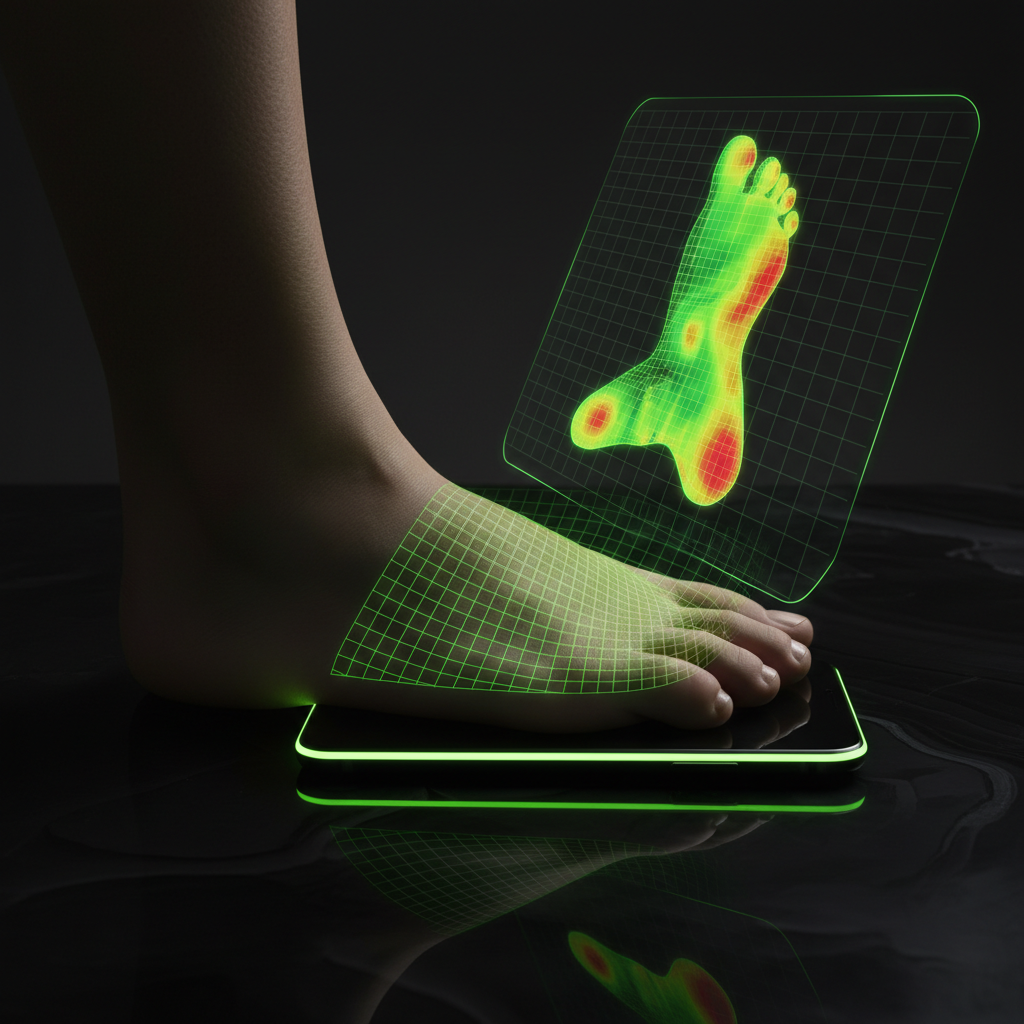
The app creates a “3Dmetric” triple-layer lattice midsole. This structure is perfectly tailored to your pressure zones, effectively eliminating hotspots and improving recovery. It truly offers a “Cinderella fit” made possible by technology.
Lightweight Performance: On and Adidas
Meanwhile, established brands are pushing the boundaries of performance. On’s latest Cloudmonster 3 Hyper features a 3D-printed upper made with “LightSpray” technology. This process prints a structural mesh directly onto the shoe in one piece.
Adidas continues to innovate its 4DFWD line. Its bowtie-shaped lattice, developed from 5 million variations, masterfully converts vertical impact into forward motion.

Perfecting Performance on the Pitch
Bespoke Boots
Imotana is leading this charge for both amateurs and professionals. Their Verifyt app allows players to scan their feet and generate a bespoke fit profile. The result is a boot that feels like a natural extension of the body.
Foot Health First
Prevolve’s Bio Cleat focuses on long-term foot health. Its modular system allows athletes to adjust the cleat plate’s stiffness based on their training level and foot strength, promoting a natural “barefoot” sensation.
The Power of Gait Analysis
In 2026, how you walk and run—your gait—is the most critical piece of data. It is no longer just a metric analyzed in a high-tech lab. Instead, it is the primary input for personalized production.
Direct Gait-to-Print
MIT technology predicts lattice density for optimal energy return.
In-Store AI
Instant marker-less assessments using Ochy for on-the-spot mods.
RunRight-3D
Dual camera biomechanics scoring complex lattice performance.
Sustainability & Local Speed
The 3D-printing revolution is about more than just a perfect fit. Sustainability has become a core principle. Brands like Zellerfeld are creating a circular economy where old shoes are ground down and reprinted.
The shoes of tomorrow are here.
The era of one-size-fits-all is over. From “Cinderella fits” for casual runners to elite-edge performance for footballers, 3D printing has made personalization the new standard. It’s a world where your shoes are as unique as your DNA.