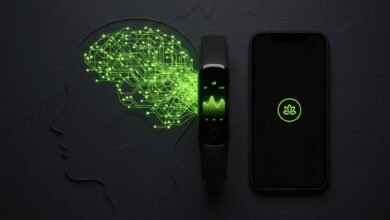
Hit the Wall?
Predict & Prevent
The Bonk
Unlock your metabolic potential. Discover how elite athletes use Continuous Glucose Monitoring (CGM) to turn guesswork into a precise nutritional strategy.
Ever been deep into a marathon or a long bike ride, feeling strong, only to suddenly find your energy vanishes? Your legs feel like lead, your head gets fuzzy, and you can barely move. That, in essence, is “bonking.” For years, endurance athletes have relied on guesswork and general guidelines to fuel their bodies. But now, a piece of tech is changing the game: Continuous Glucose Monitoring (CGM).
Originally for diabetes management, CGMs are now the ultimate bio-hacking tool for non-diabetic athletes across the US, UK, and Africa. They provide a real-time window into your body’s fuel tank—your blood sugar levels. Consequently, this allows for incredibly precise nutritional strategies. Instead of just preventing the bonk, you can predict it and stop it before it ever starts.

Understanding Your Fuel Gauge: How CGM Works
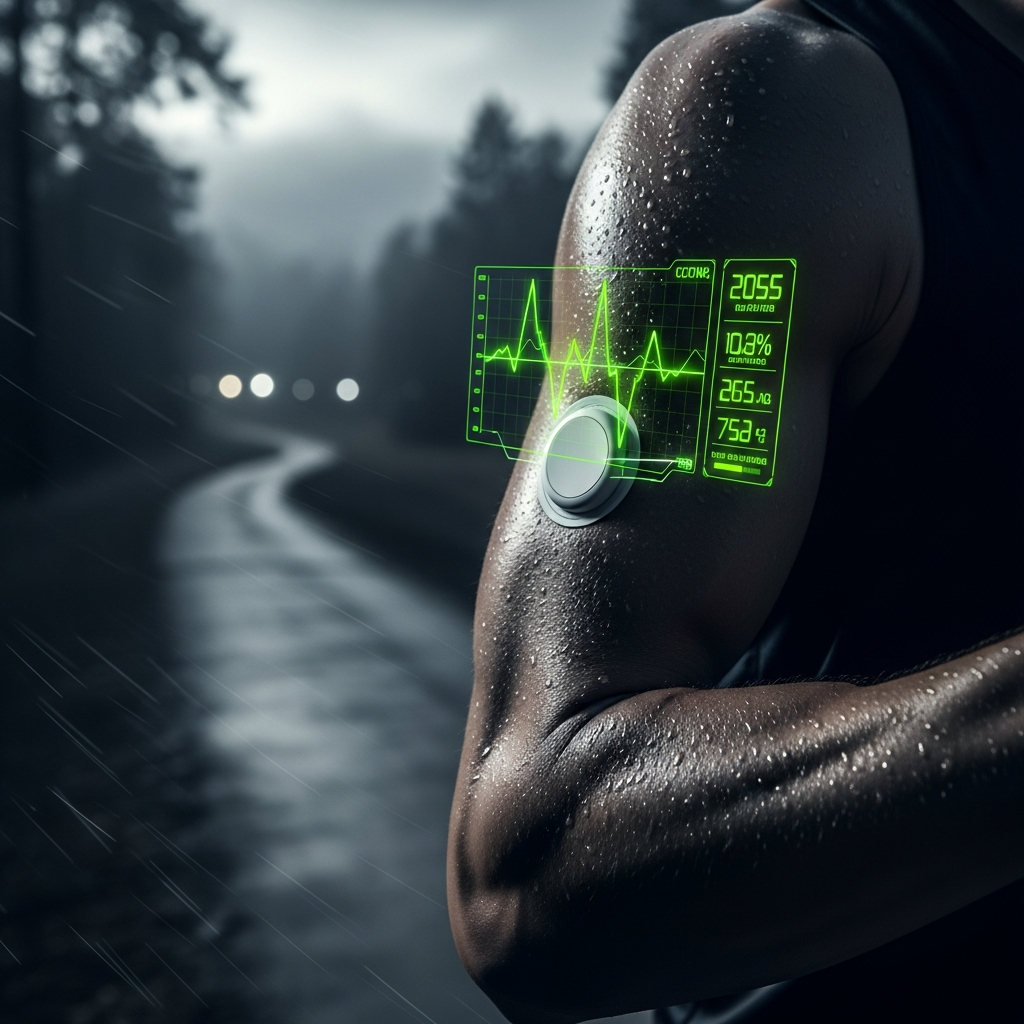
Think of a CGM as a live fuel gauge for your body. A small sensor, typically worn on the back of the arm, measures the glucose in the fluid just under your skin. This data is then sent to your smartphone or watch every few minutes. Therefore, you get a dynamic picture of how your energy levels are trending.
This is a huge leap from traditional methods. Instead of reacting to fatigue, you can proactively manage your energy. With this data, you can see exactly how a pre-race pasta dinner or a mid-run energy gel affects you personally.
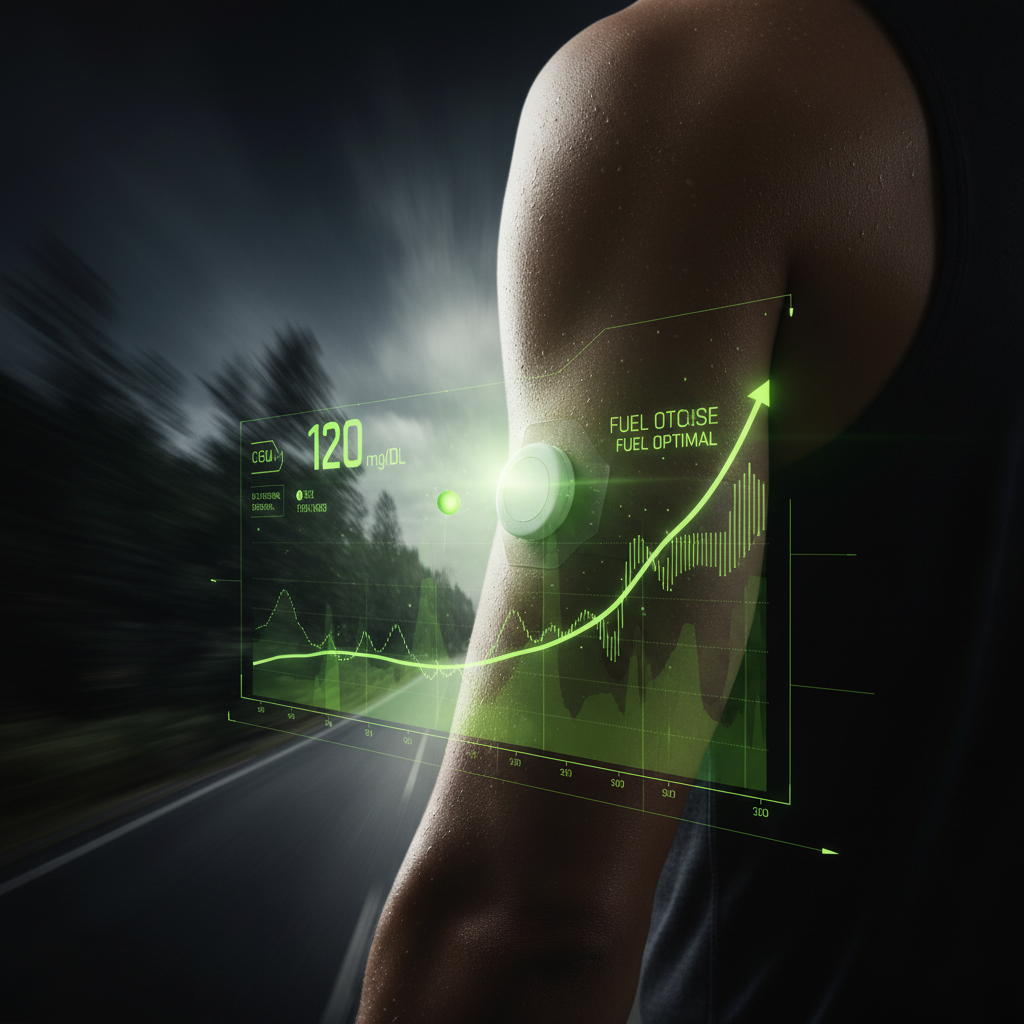
Data in Action: Practical CGM Strategies
1. Perfecting Your Pre-Workout Fuel
- •Experiment: Test different meals and snacks.
- •Observe: Watch for a stable rise in glucose.
- •Time It Right: Identify your perfect eating window.
2. Nailing Real-Time Fueling
- •Watch for Dips: Catch downward trends early.
- •Personalize Intake: Move beyond generic 75-90g carb rules.
- •Stay in the Zone: Keep your levels steady for peak output.
To learn more about how different bodies react, you can explore detailed insights on the Levels Health Blog.
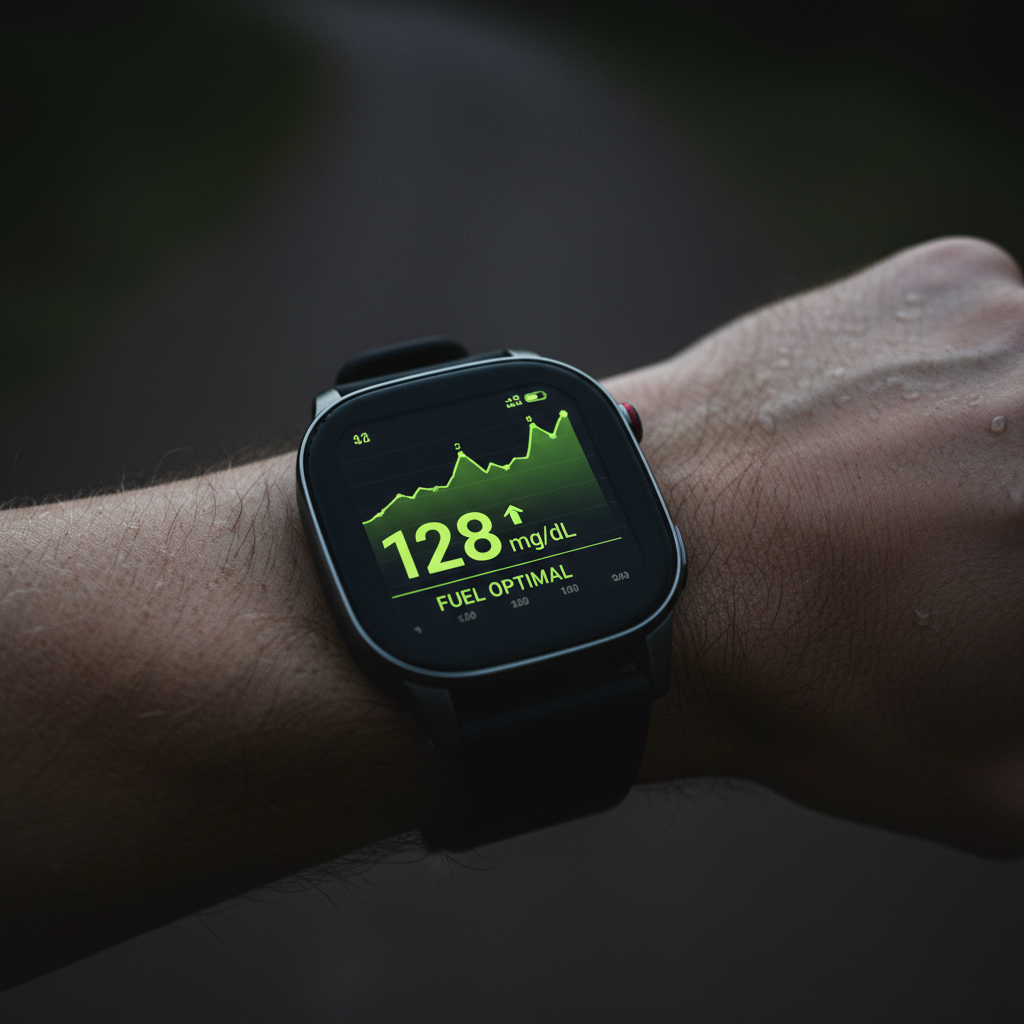
3. Enhancing Recovery and Spotting Overtraining
Your body’s work isn’t over when you cross the finish line. CGMs provide valuable data on your recovery. By seeing how quickly your glucose levels stabilize after a workout, you can optimize your post-exercise nutrition for faster glycogen replenishment. Furthermore, consistently low overnight glucose values could be a sign of underfueling or overtraining. For a deeper dive into athletic physiology, consider resources like the TrainerRoad Science Blog.
Insights Over Guarantees
A Tool, Not Magic
A CGM provides data and insights. It does not guarantee better performance on its own. It works best within a comprehensive plan.
Normal Fluctuations
Non-diabetic athletes can experience glucose swings outside “normal” ranges during intense exercise. These are often physiological.
The Lag Factor
CGMs measure interstitial fluid, which has a 5-15 minute delay compared to blood glucose levels.
The Finish Line
For endurance athletes serious about optimizing performance, a Continuous Glucose Monitor can be a revolutionary tool. It replaces nutritional guesswork with personalized, data-driven decisions.
“Ultimately, CGMs empower you to understand your unique physiology, helping you make hitting the wall a thing of the past.”