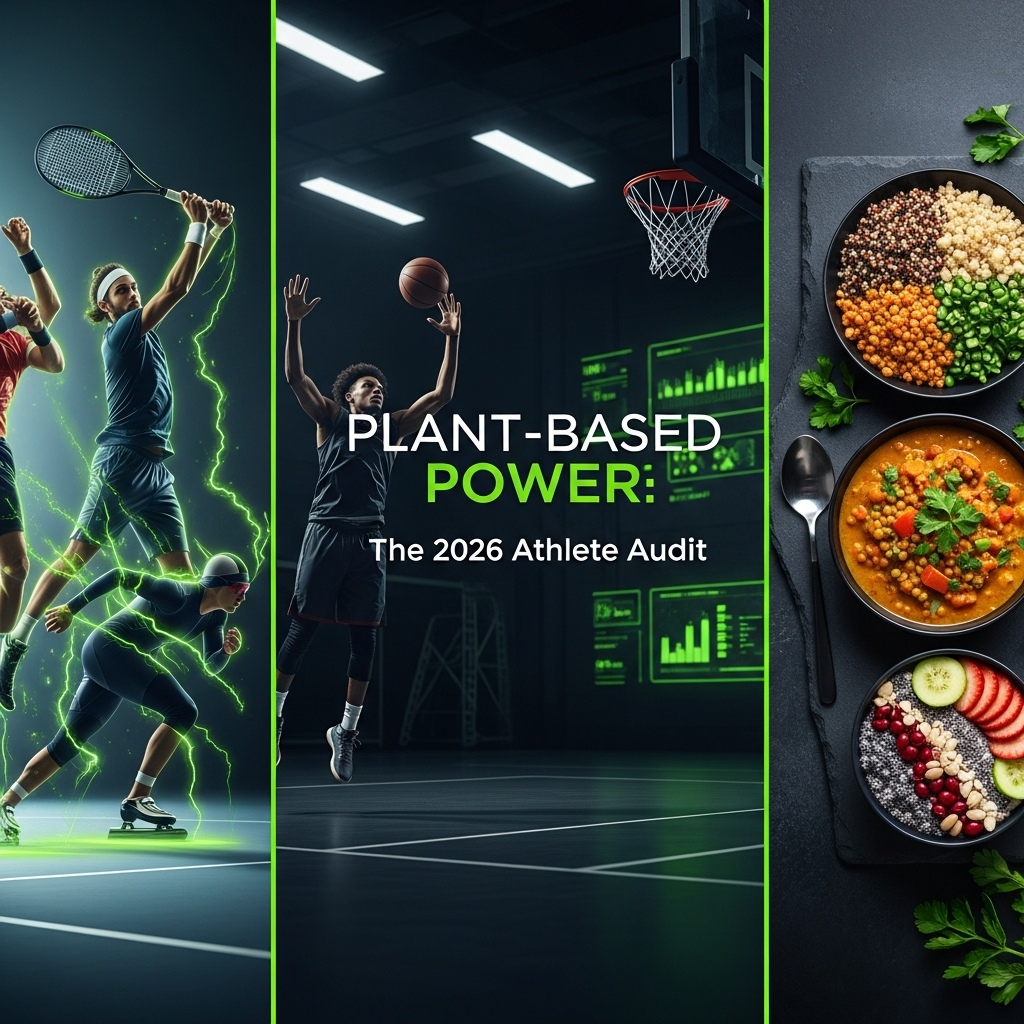
Plant-Based Power: The 2026 Audit
Diving deep into the exact meal plans fueling the world’s most elite athletes.
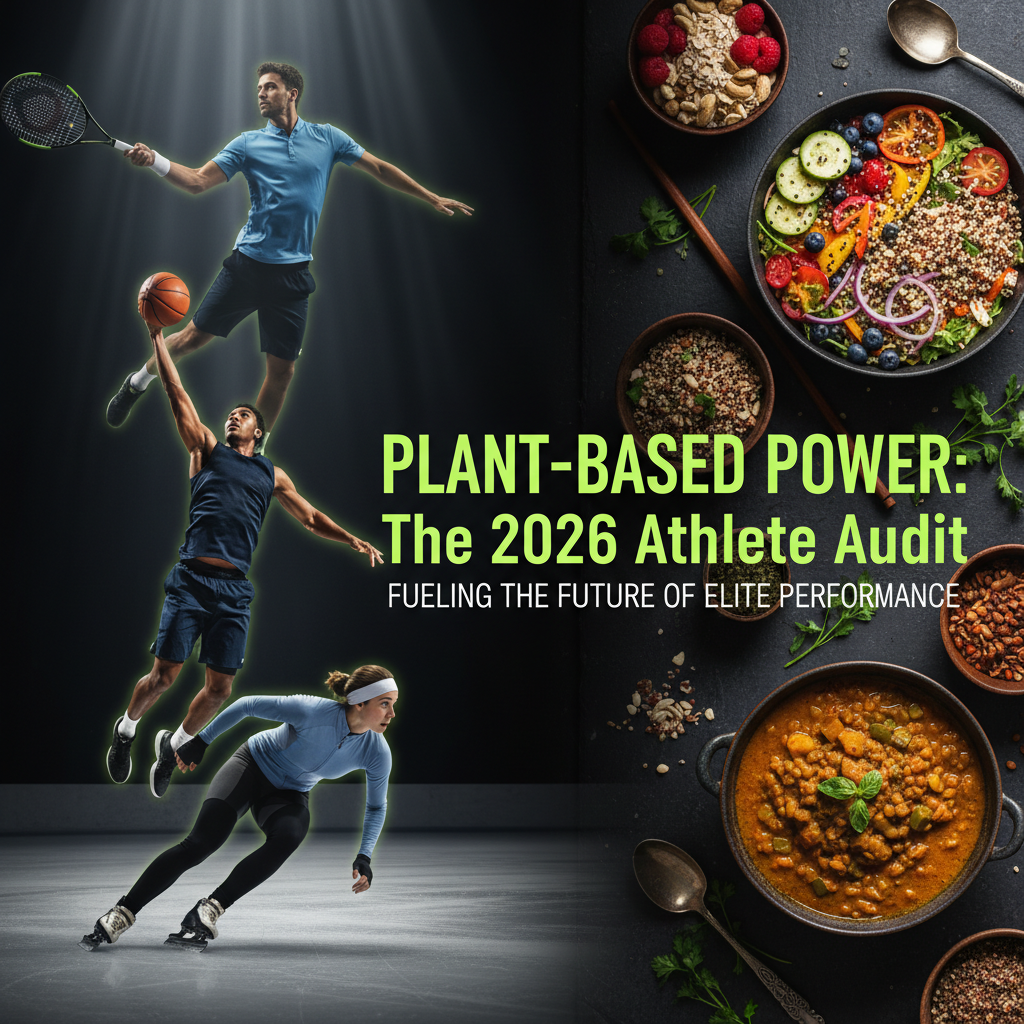
What was once a niche lifestyle choice is now a core performance strategy for the world’s most elite athletes. In 2026, plant-based nutrition is no longer a secret weapon; it’s a well-documented advantage for boosting recovery, enhancing mental clarity, and extending careers. Top professionals across every sport are ditching animal products and, as a result, are rewriting the rules of athletic longevity.
This audit dives deep into the exact meal plans fueling some of the most dominant vegan athletes today. From the tennis court to the Formula 1 track, we’ll explore what they eat, why it works, and how plant-based power is keeping them at the very top of their game.

The Titans of Endurance and Longevity
For athletes competing well into their late 30s and 40s, recovery isn’t just important—it’s everything. A plant-based diet, rich in antioxidants, has proven to be a game-changer for reducing inflammation and accelerating muscle repair. Consequently, this allows veterans to maintain a competitive edge.
Novak Djokovic (Tennis)
At the pinnacle of men’s tennis, Novak Djokovic continues to defy age. He directly credits his “pure plant-based” diet for his incredible stamina and rapid recovery. For a deeper look into his philosophy, you can visit the official Novak Djokovic Nutrition Hub.
- Upon waking: Warm water with lemon and celery juice.
- Breakfast: A “Power Bowl” with gluten-free oats, nuts, and seeds.
- Lunch: Mixed greens salad with pasta primavera.
- Dinner: Light nutrient-dense kale Caesar salad.
Lewis Hamilton (Formula 1)
As a dominant force in Formula 1, Lewis Hamilton relies on his diet for unwavering focus and consistent energy. He has been a vocal advocate for the “clean energy” he gets from plants.
Breakfast
Porridge with fruit or avocado on toast.
Race Day
Plant-protein smoothies for quick digestion.
Fueling the NBA Hardwood
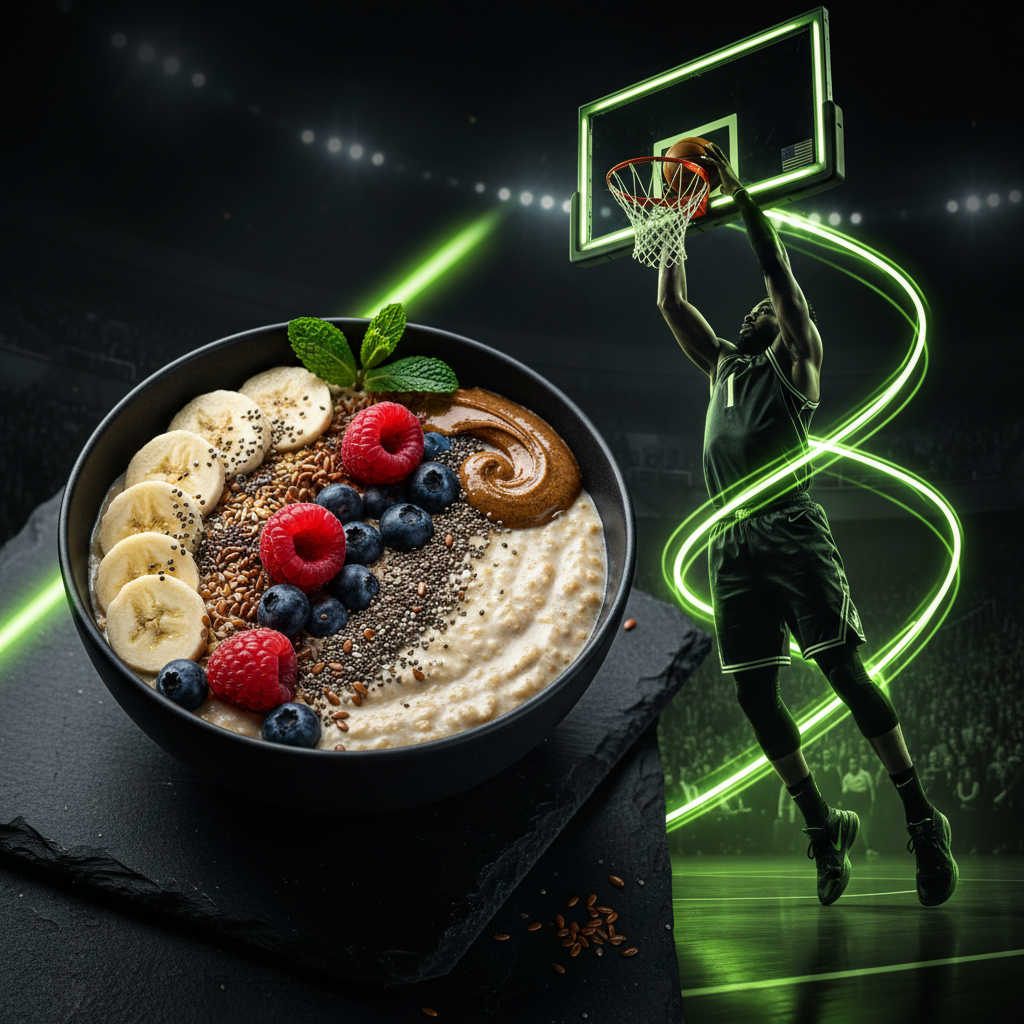
The 82-game NBA season is a relentless grind. Maintaining weight, muscle mass, and joint health is a significant challenge. However, a growing number of basketball stars are turning to plant-based nutrition to not only survive the season but to thrive.
Performance Insight
NBA players report up to 30% reduction in joint inflammation after switching to plant-based protocols.
Chris Paul (NBA)
Chris Paul’s career longevity is legendary. He attributes this durability to his vegan diet, which he says eradicated chronic aches and pains. You can explore his nutrition philosophy at the Good Eatn Brand Page.
Cade Cunningham (NBA)
Vegan since high school, Cunningham focuses on high-carb, nutrient-dense meals to power his engine for the demanding season. Breakfast includes a plant-based liquid egg scramble from Eat Just.
“Food is fuel. My engine runs cleaner on plants.”
Power Across All Disciplines
Winter Olympics
Kristen Santos-Griswold focuses on iron-rich plants like spinach and lentils to maximize oxygen transport.
Bodybuilding
Torre Washington qualified for Mr. Olympia at 51. His diet is rich in tofu and seitan.

The Science of Faster Recovery
These athlete stories are not just anecdotal. A 2026 meta-analysis from the European Journal of Biology and Medical Science Research provided clear evidence of the advantages.
15-22%
Faster Recovery Time
The study concluded that plant-based athletes experience significantly reduced downtime due to higher intake of antioxidants, which combat exercise-induced inflammation. Furthermore, proper supplementation with B12 and Vitamin D remains a critical success factor.
The Future of Fuel is Green
The evidence is clear and compelling. The world’s best athletes are not just adopting plant-based diets; they are using them to achieve new heights of performance and extend their careers.
By prioritizing nutrient-dense, anti-inflammatory foods, these professionals showcase that the most powerful fuel on earth grows from the ground. Their success provides a powerful blueprint for any athlete, amateur or pro, looking to unlock their full potential.