
Eco-Friendly Athletics: How “Net Zero” Events Are Reshaping Sportswear
Have you ever wondered about the story behind your running shoes or your favorite team’s jersey? Global sporting events are undergoing a massive green transformation.
Major competitions are now aiming for “Net Zero” carbon emissions. Consequently, this powerful movement is completely changing how sports apparel is made. It’s a direct response to a growing global demand for eco-conscious products. This shift forces brands to innovate, rethink materials, and clean up their entire production line.
The Material Revolution: Weaving a Greener Future
The most visible change is happening in the very fabrics we wear. Manufacturers are moving away from traditional, polluting materials. Instead, they are embracing sustainable alternatives that reduce waste and protect our planet. This is not just a trend; it’s a fundamental reinvention of sportswear.

From Plastic Bottles to Performance Wear
Recycled materials are now star players in the industry. For instance, major brands are transforming waste into high-performance gear.

- •Recycled Polyester: Brands are using polyester made from PET bottles and even reclaimed fishing nets. Adidas, for example, is converting ocean plastic into sportswear with its Parley collection.
- •Upcycled Fibers: Nike’s innovative Flyleather contains at least 50% recycled natural leather fiber, significantly reducing the environmental footprint.
- •Brand Commitments: Puma is targeting 75% recycled polyester in its apparel and accessories, showing clear industry-wide commitment.
Natural and Biodegradable Breakthroughs
Beyond recycling, the focus is also on natural and biodegradable options. Organic cotton, bamboo, and hemp offer excellent performance with lower environmental impact. Some companies are even developing biodegradable sneakers to tackle the end-of-life problem for apparel.

Beyond the Fabric: Eco-Friendly Production and Circular Design
A green jersey is only half the story if the factory that made it runs on fossil fuels. Therefore, the “Net Zero” push extends deep into the manufacturing process and product lifecycle. Brands are now accountable for their entire environmental footprint.
Powering Production with Clean Energy
The apparel industry historically consumes massive amounts of water and energy. To counter this, companies are investing heavily in renewable energy sources like solar and wind power. Nike has set a goal to power its owned and operated facilities with 100% renewable energy.
Closing the Loop: Made to Be Remade
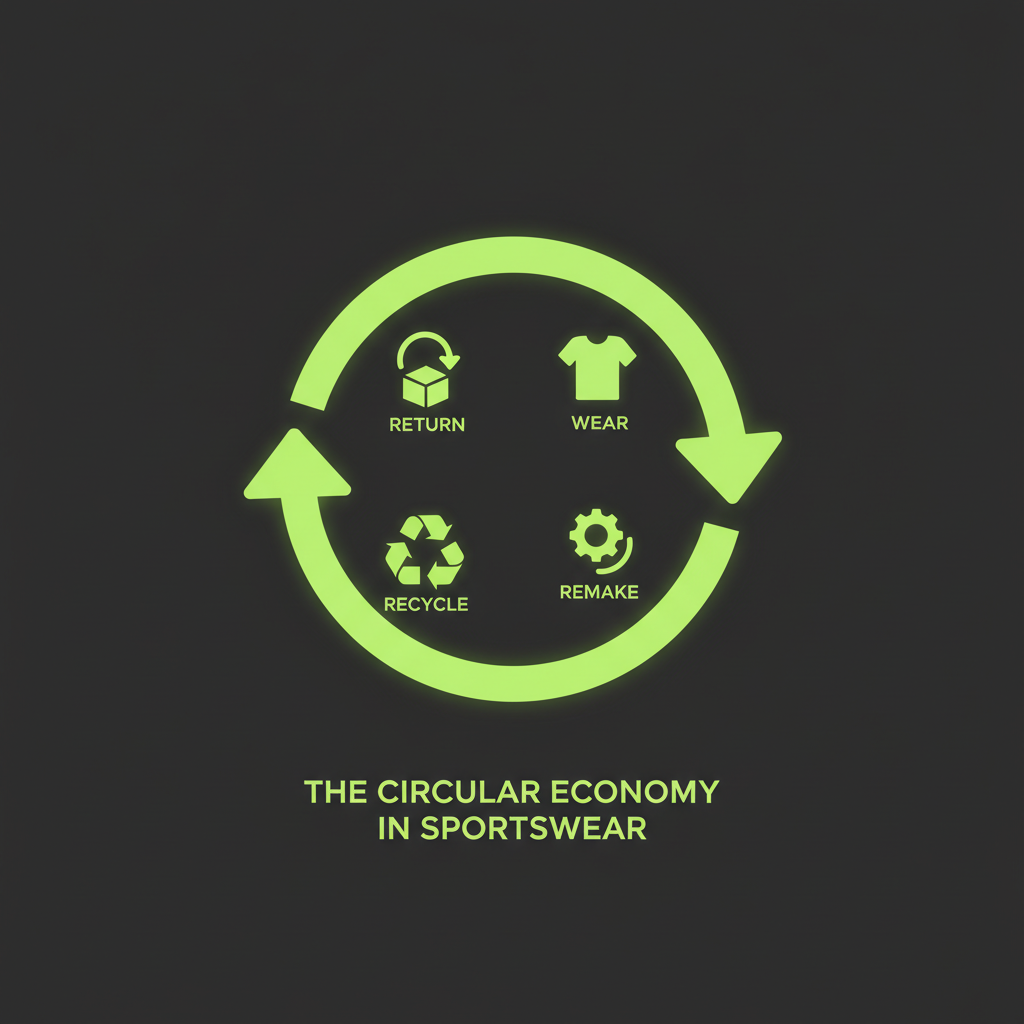
The ultimate goal is to create a circular economy where waste is designed out of the system. This means creating products built to last and to be easily recycled.
Initiatives like Adidas’s “Made to Be Remade” program are pioneering this concept. Customers can return worn-out items, which are then broken down and used to create new products. Similarly, Nike’s “Move to Zero” initiative encourages returning used gear for repurposing. For more details on their commitments, you can explore the Official Nike ‘Move to Zero’ Blog Post.
The Race to Transparency: Challenges on the Road to Net Zero
Achieving “Net Zero” is a complex marathon, not a sprint. The sportswear industry still faces significant hurdles. Historically, it has relied on synthetic fibers, which are highly polluting. The entire fashion and sportswear sector accounts for a staggering 8-10% of global carbon emissions.
To meet ambitious targets, such as those set by the UN Sports for Climate Action Framework, brands must increase transparency across their supply chains. This means tracking materials from source to finished product and ensuring ethical labor practices.
Brands like Adidas are collaborating with organizations like the Better Cotton Initiative to promote sustainable farming. For an in-depth look at corporate strategy, you can read the Official Adidas Sustainability Report.
The Final Whistle: A New Era for Sportswear
The push for “Net Zero” global sporting events is more than just a headline. It is a powerful force for change, compelling the sports apparel industry to become more sustainable and responsible. Through innovative materials, eco-friendly production, and a commitment to a circular economy, the gear we wear is becoming cleaner and greener. This forward-thinking transformation shows that high performance and a healthy planet can, and must, go hand in hand.