The world of fitness technology has changed dramatically. We’ve moved far beyond simple step counters. Now, in March 2026, we have Agentic AI Coaches.
These are smart, “thinking” trainers that live in your phone. They can talk to you, watch your form, and change your workout on the fly. But does this new wave of technology signal the end for human personal trainers? This review dives deep into the latest AI coaching apps to answer that very question.
The 2026 AI Coaching Landscape: Who’s Leading the Pack?
Several powerful apps are now competing for the top spot in the fitness world. For instance, JuggernautAI offers incredible precision for powerlifters, while Fitbod uses billions of data points to optimize strength training. However, one app currently stands out as the gold standard for real-time coaching.
Spotlight on Ray AI
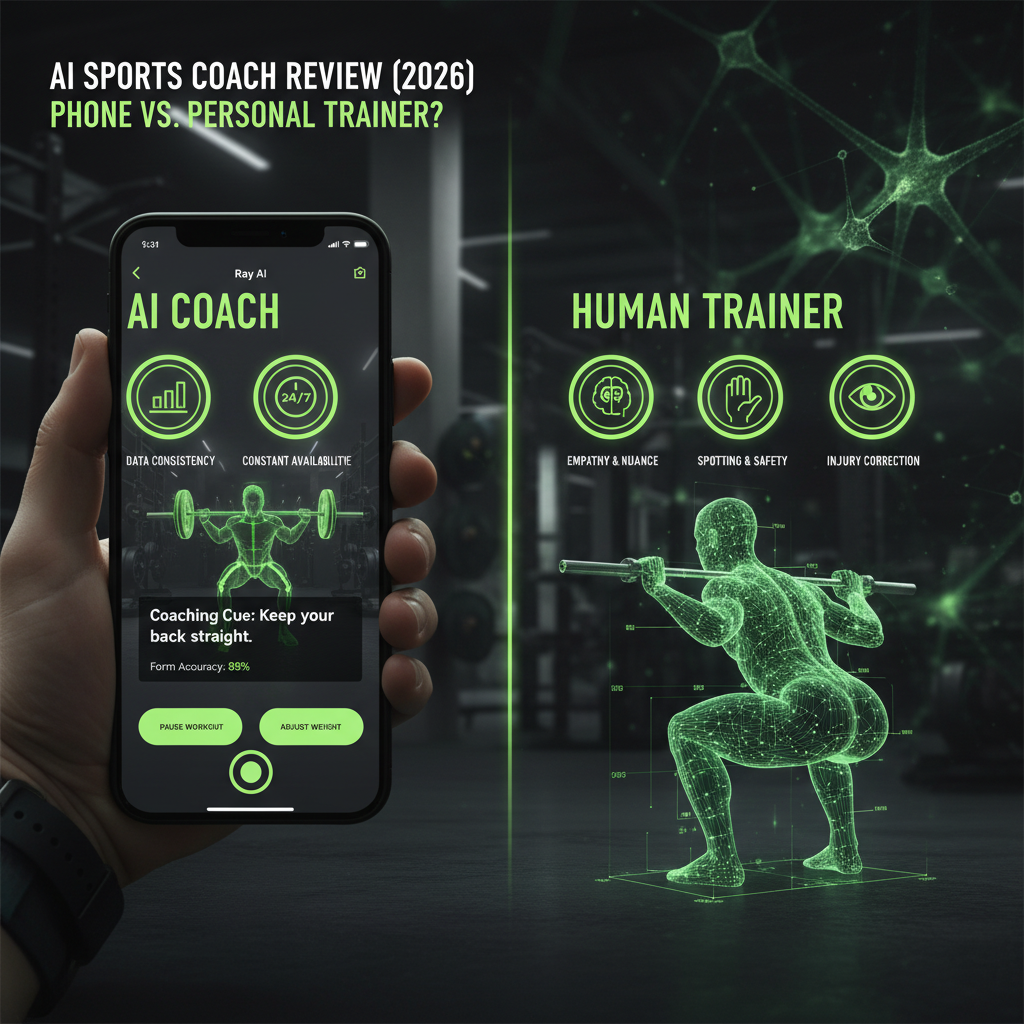
Ray AI is the closest we’ve come to a true trainer in your pocket. It is built around a voice-first system. You can literally tell it, “Ray, my shoulder is tight today.” Consequently, the AI instantly adjusts your workout, swapping movements to prevent injury.

Furthermore, the app uses your phone’s camera to watch your form. It provides real-time verbal cues like, “Drop your hips two inches lower.” This on-device computer vision achieves an impressive 82-90% accuracy on major compound lifts.
Under the Hood: The Tech Making AI Trainers Smarter
So, what makes these 2026 apps so different from their older versions? Three key technical breakthroughs drove this massive leap forward.
- Agentic AI Frameworks: These apps are now proactive. For example, your AI coach can check your sleep and recovery data from your watch. If your recovery score is low, it proactively messages you to suggest a lighter session.
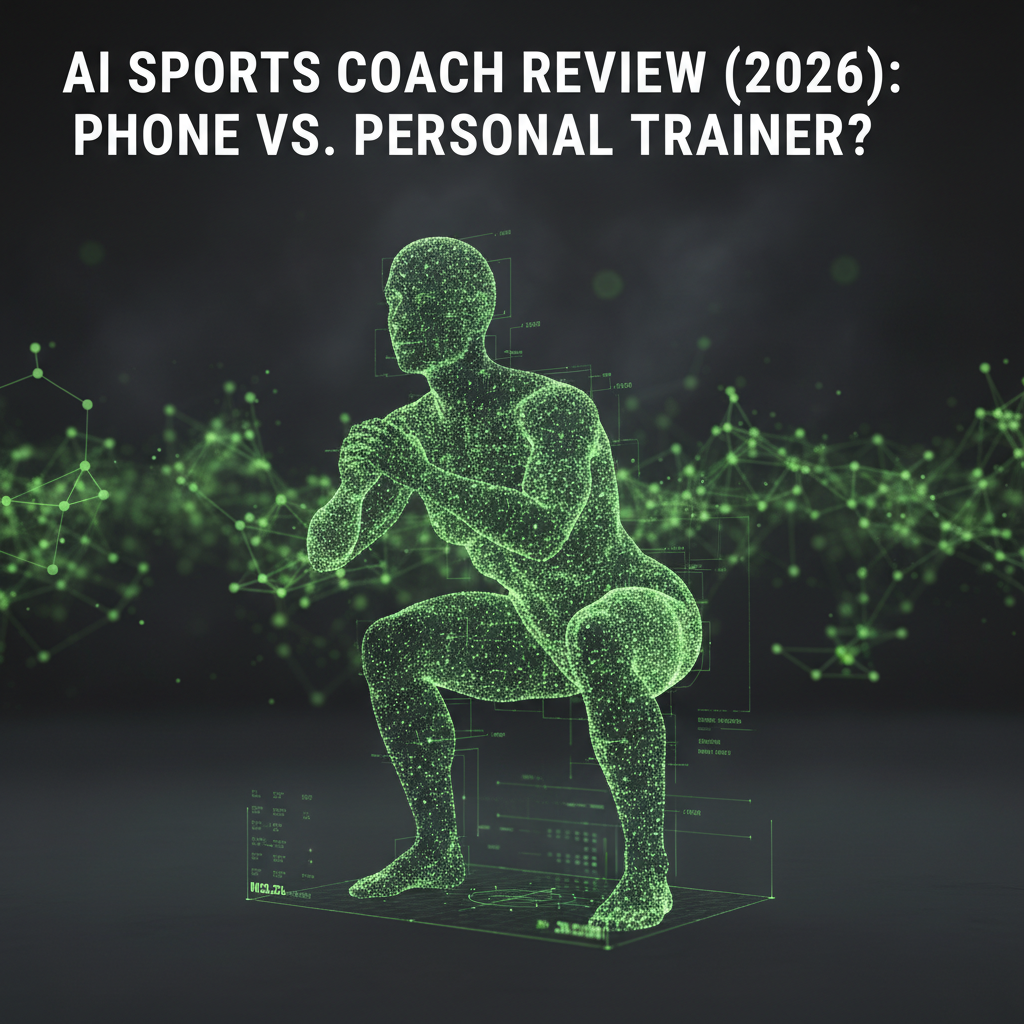
- 3D Body Reconstruction: This is a true game-changer. Using just your phone’s camera, apps can perform a detailed movement assessment. This helps identify mobility gaps and imbalances with incredible precision.
- On-Device Computer Vision: To protect your privacy, the new apps process video directly on your phone. This means your workout footage never gets uploaded to the cloud.
The Verdict: Can an App Truly Replace a Human?
This brings us to the ultimate question. The answer really depends on your specific needs and goals. Both AI and human trainers have unique, powerful strengths.
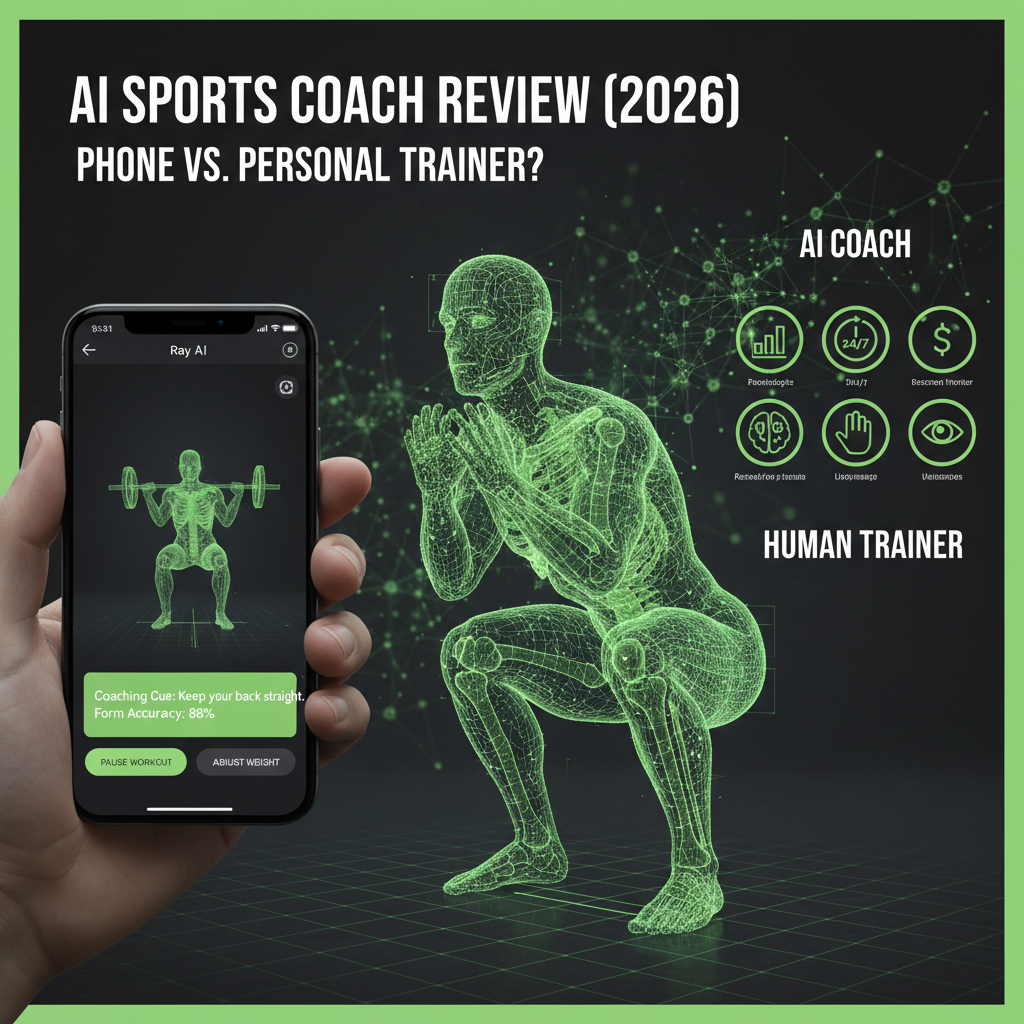
Where AI Wins
- Perfect Data Consistency: Never misses a single rep.
- Amazing Accessibility: Elite programming for ~$20/mo.
- Constant Availability: No cancellation fees, 24/7 service.
Where Humans Win
- Injury Nuance: Understanding the “why” behind pain.
- Empathy: Real emotional accountability when burnt out.
- Safety: A physical spot for that heavy 300lb bench press.
The Future is Hybrid: Your Best Strategy for 2026
So, should you fire your personal trainer? Not necessarily. The reality in 2026 is that for about 80% of gym-goers, a top-tier AI coach is far better than a mediocre human trainer. Nevertheless, it still can’t fully replace an elite one.
The most effective approach is a hybrid model. Use a data-driven AI coach like the one detailed on Fitbod’s official blog for your daily programming and tracking. Then, check in with a human corrective exercise specialist once a month.
For specialized strength goals, an app like the one from JuggernautAI’s official blog can be a powerful tool in this hybrid system. This strategy gives you the best of both worlds: data-driven consistency and expert human nuance.