Why Sim-Racing is a Legitimate Athletic Tier
The line between virtual and reality is blurring. Discover how pixels and pedals are forging a new generation of professional athletes.
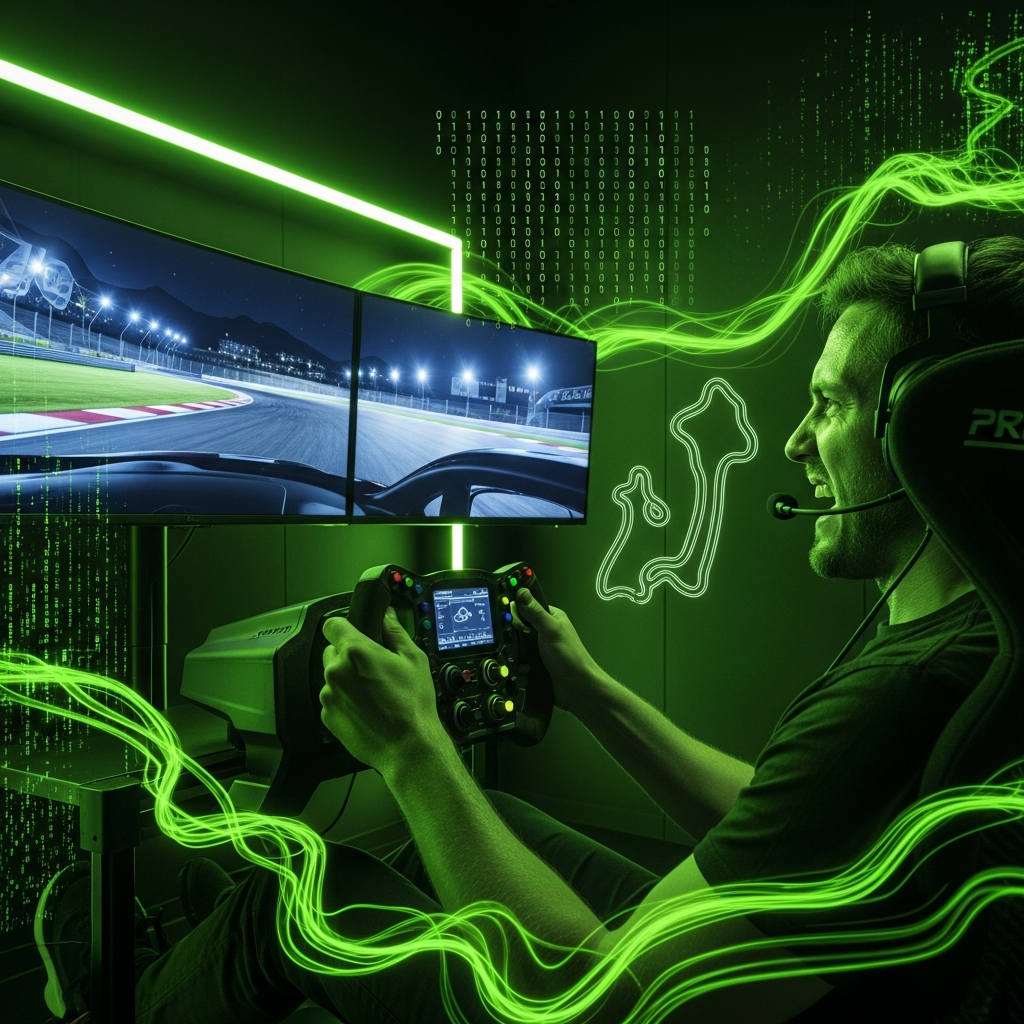
Is a gamer an athlete? For years, the answer was a firm no. However, the line is blurring. Welcome to “Esports 2.0,” a new era where virtual competition demands peak physical and mental performance. At the forefront of this evolution is sim-racing. It transcends typical gaming by requiring a potent mix of intense focus, strategic thinking, and surprising physical exertion. Consequently, sim-racing is no longer just a hobby; it’s now rightly considered a legitimate athletic tier.
The Mental Marathon: More Than Just a Game
At its core, professional sim-racing is an intense test of mental fortitude. Drivers are not passively playing; they are actively processing enormous amounts of real-time data. This creates a significant cognitive load that requires elite mental conditioning.

Unpacking the Cognitive Demands
The mental challenge is constant and varied. For instance, drivers must make split-second decisions on braking points, overtaking maneuvers, and defensive lines. These choices, made in a fraction of a second, can determine the outcome of an entire race.
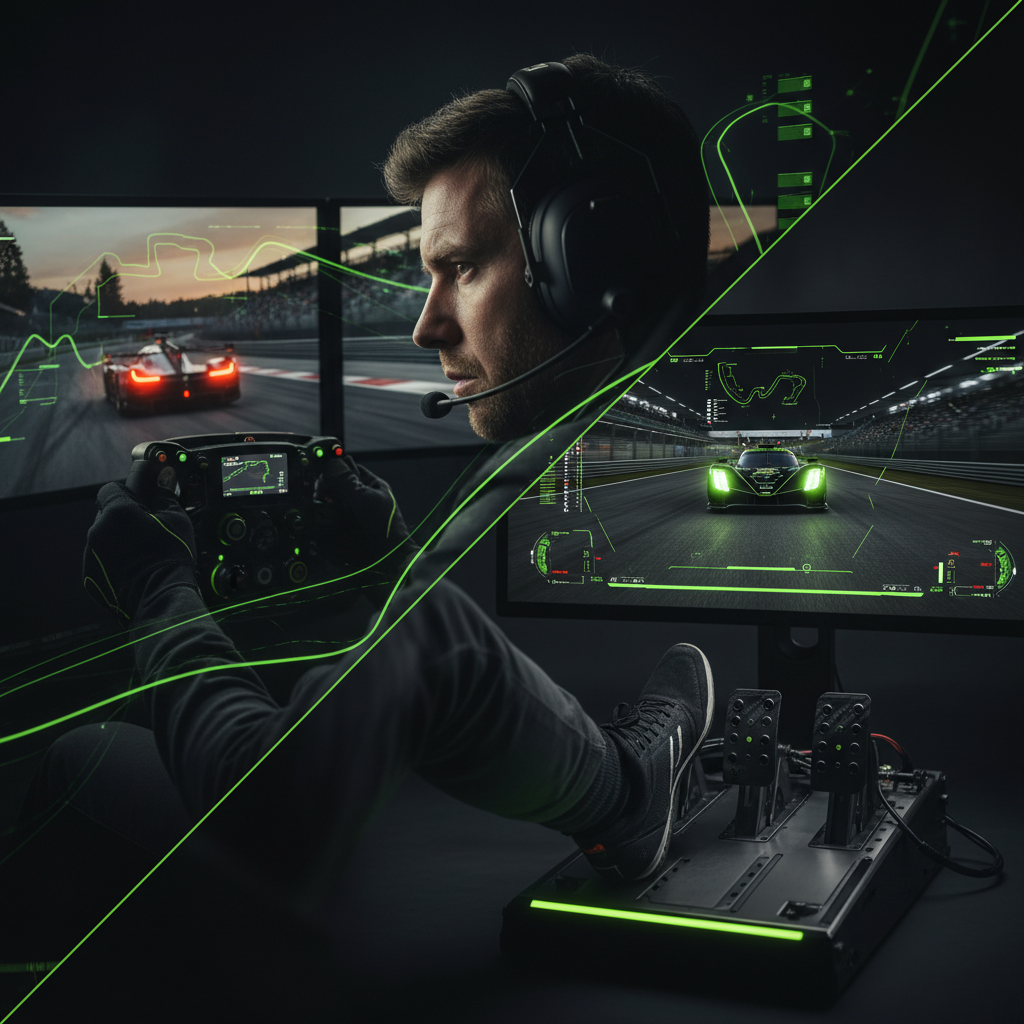
In addition, they are continuously multitasking. Managing throttle, steering, and braking inputs while simultaneously adapting race strategy based on tire wear and fuel levels is a complex mental juggle. This sustained concentration leads to very real mental fatigue, making endurance a key skill.
Cognitive Skillset
- Hand-eye coordination
- Problem-solving skills
- Spatial awareness
- Rapid reflexes
The Physical Grind: Breaking a Sweat in the Cockpit
While sim-racing doesn’t involve the G-forces of a real race car, it is undeniably a physical sport. High-end simulation equipment bridges the gap between the virtual and the physical, demanding significant effort from the driver. This active engagement separates it from many other forms of esports.

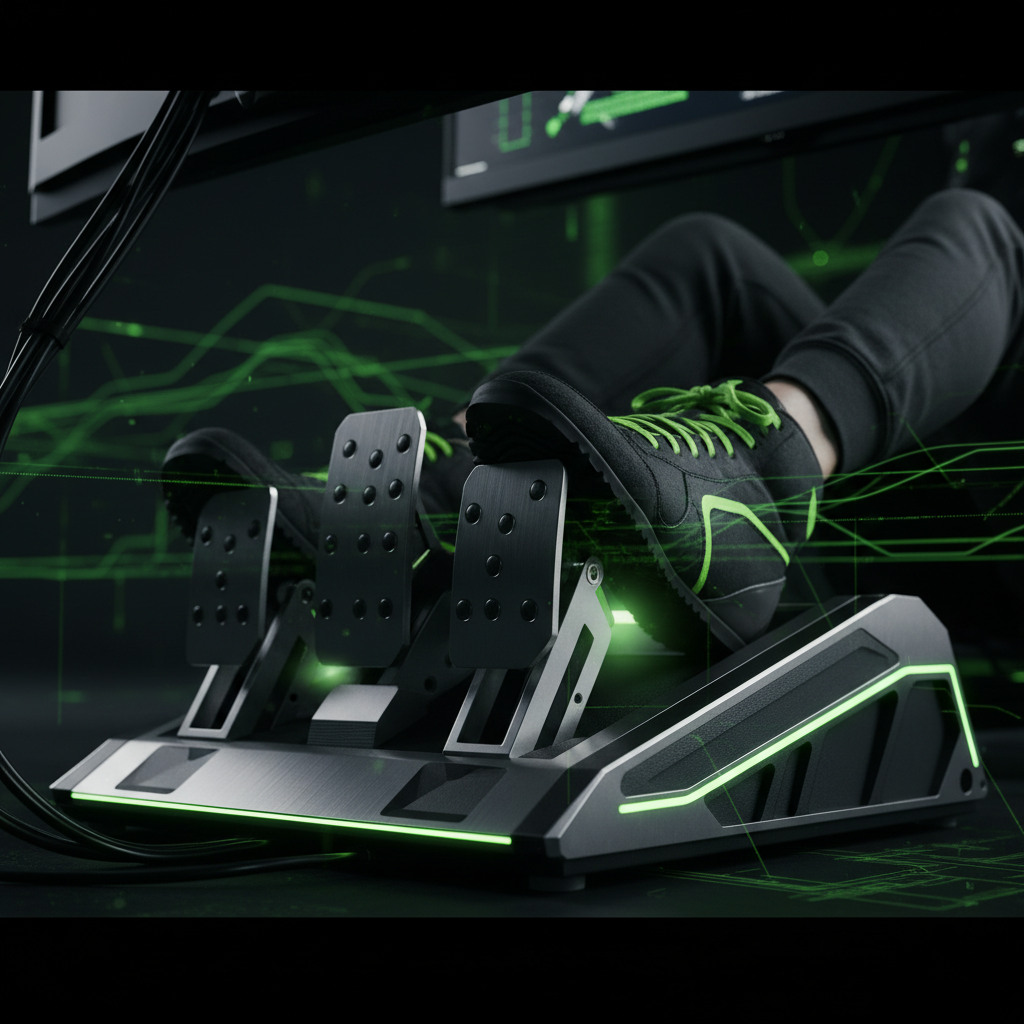
High-quality force-feedback steering wheels, for example, simulate the resistance you would feel on a real track. Fighting against these forces requires substantial strength from the arms and shoulders. Similarly, professional-grade load-cell pedals need powerful leg exertion to control braking and acceleration accurately.
During intense race scenarios, a sim-racer’s heart rate can rise to levels comparable to a low-intensity cardio workout. Therefore, serious competitors often undertake physical training to build endurance, fight fatigue, and prevent repetitive strain injuries.
From Pixels to Pavement: The Rise of Legitimacy
The growing acceptance of sim-racing as a sport is supported by its direct link to real-world motorsport. The skills are highly transferable, creating a legitimate pathway from the virtual to the physical track. This is no longer a theory; it is a proven concept.
Official Recognition and Talent Pipelines
In a landmark move in 2018, Germany’s motorsport governing body, the DMSB, officially recognized sim-racing as a legitimate motorsport discipline. This acknowledged the incredible realism and skill involved. Furthermore, many professional drivers, like F1 star Lando Norris, use simulators extensively for practice and skill refinement. Learn about Lando Norris’s Rig.
The most compelling proof, however, is the talent pipeline it has created. Jann Mardenborough’s incredible journey from winning a virtual competition to becoming a successful professional racing driver shows the direct career path that now exists in The Mardenborough Story. This is possible because modern simulators authentically replicate variables like tire physics and suspension dynamics, demanding a deep understanding of vehicle handling.
Conclusion: A New Breed of Athlete
Sim-racing has firmly established its place as a true athletic discipline. It challenges athletes with a unique combination of intense cognitive demands and significant physical exertion. With official recognition from sporting bodies and its proven role as a training ground for professional motorsport, the debate is over. The sim-racer is a modern athlete, perfectly representing the merger of physical fitness and gaming in the exciting new world of Esports 2.0.