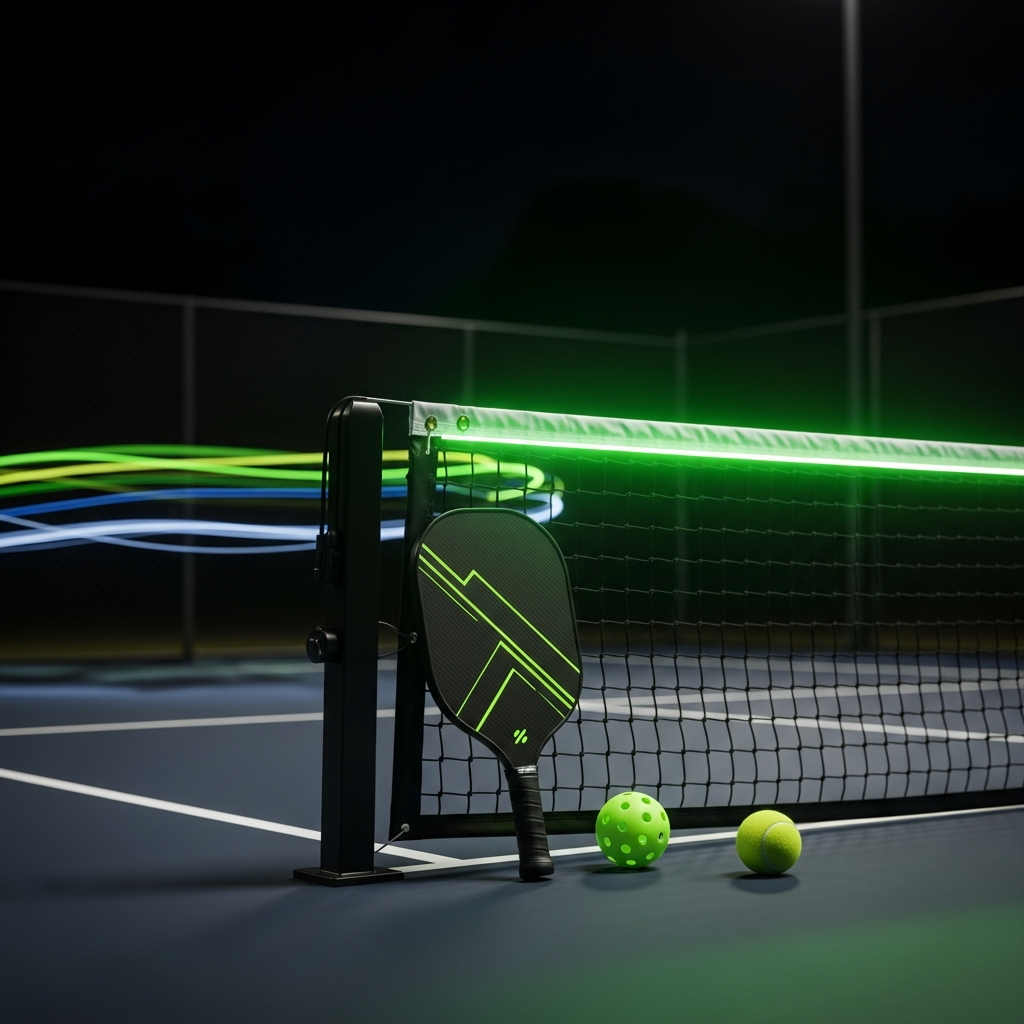
Pickleball vs. Tennis: Why Players Are Switching to the New Era
Why Tennis Players Are Making the Switch
The move from the tennis court to the pickleball court is often a deliberate choice. Former tennis players find a sport that retains the competitive thrill they love but in a more accessible and sustainable package. The reasons are rooted in the very mechanics and culture of the game.
Lower Physical Strain, Higher Longevity
One of the biggest draws for tennis players is pickleball’s reduced physical demand. Tennis is a demanding sport that requires explosive power and covering a large court. Pickleball, in contrast, is much gentler on the body.

- Smaller Court Size: A pickleball court is significantly smaller (44 feet by 20 feet) than a tennis court. This means less ground to cover, fewer long sprints, and less stress on knees and ankles.
- Reduced Injury Risk: The underhand serve in pickleball places minimal strain on the shoulder. This is a sharp contrast to the powerful overhead serves in tennis, which can lead to injuries over time.
A Faster, More Accessible Learning Curve
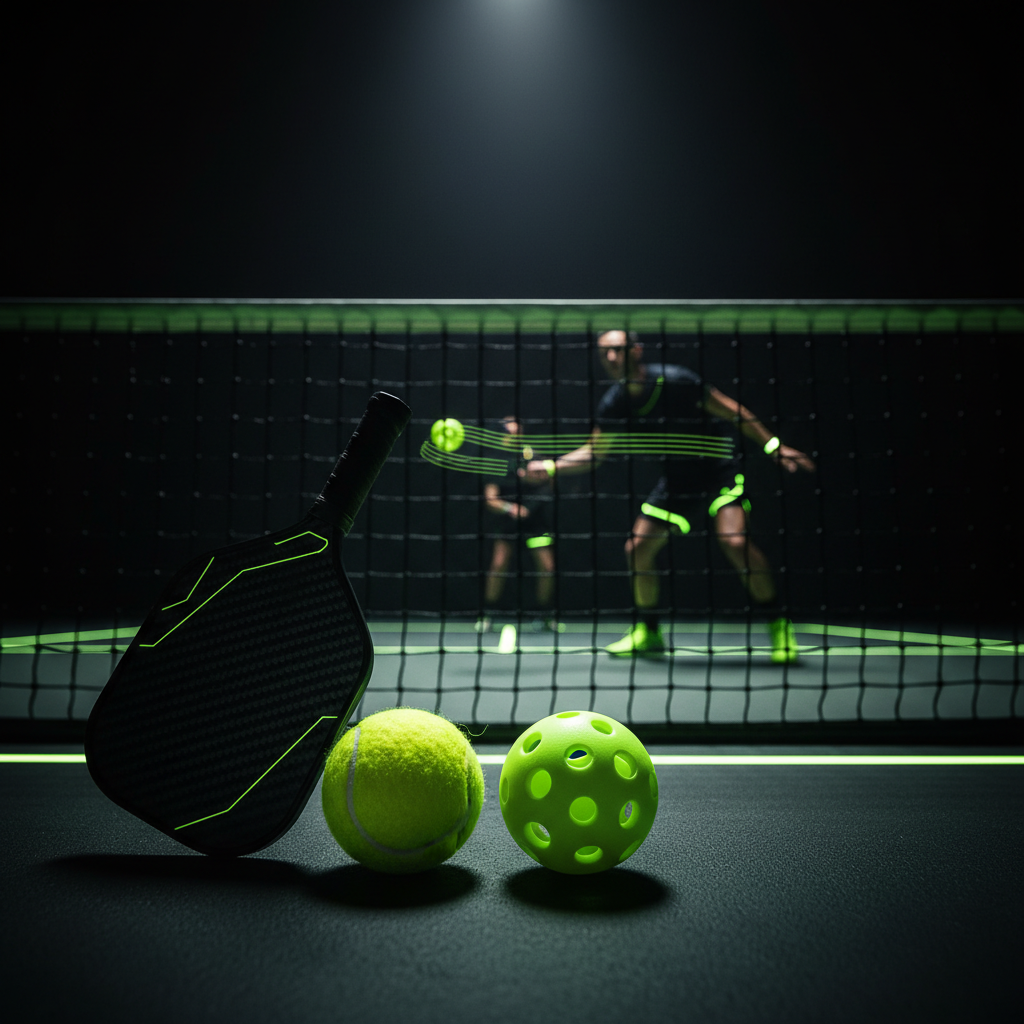
Getting started in pickleball is remarkably easy. While tennis can take months or years to master, newcomers can learn the basics of pickleball and enjoy a full game in under 30 minutes.
This accessibility is a game-changer. It means players can feel competent and have fun almost immediately. Furthermore, many core skills from tennis transfer directly. Hand-eye coordination, strategic thinking, and understanding spin give tennis players a solid foundation. They can quickly adapt their skills from a game of power to one of finesse and precision, focusing on the unique strategies created by pickleball’s rules. For more on the official rules, you can check out resources from major organizations like the PPA Tour.
The Gear Shift: Paddles, Balls, and Nets
The equipment used in pickleball is fundamentally different from tennis gear. These differences directly influence the pace and style of play, contributing to the sport’s unique appeal.
Paddles Over Rackets
Pickleball paddles are made from composite or graphite materials. They are solid, which creates a distinct “dink” sound upon impact. The solid paddle offers more control and finesse, especially for soft shots at the net.
Strategic Dynamics
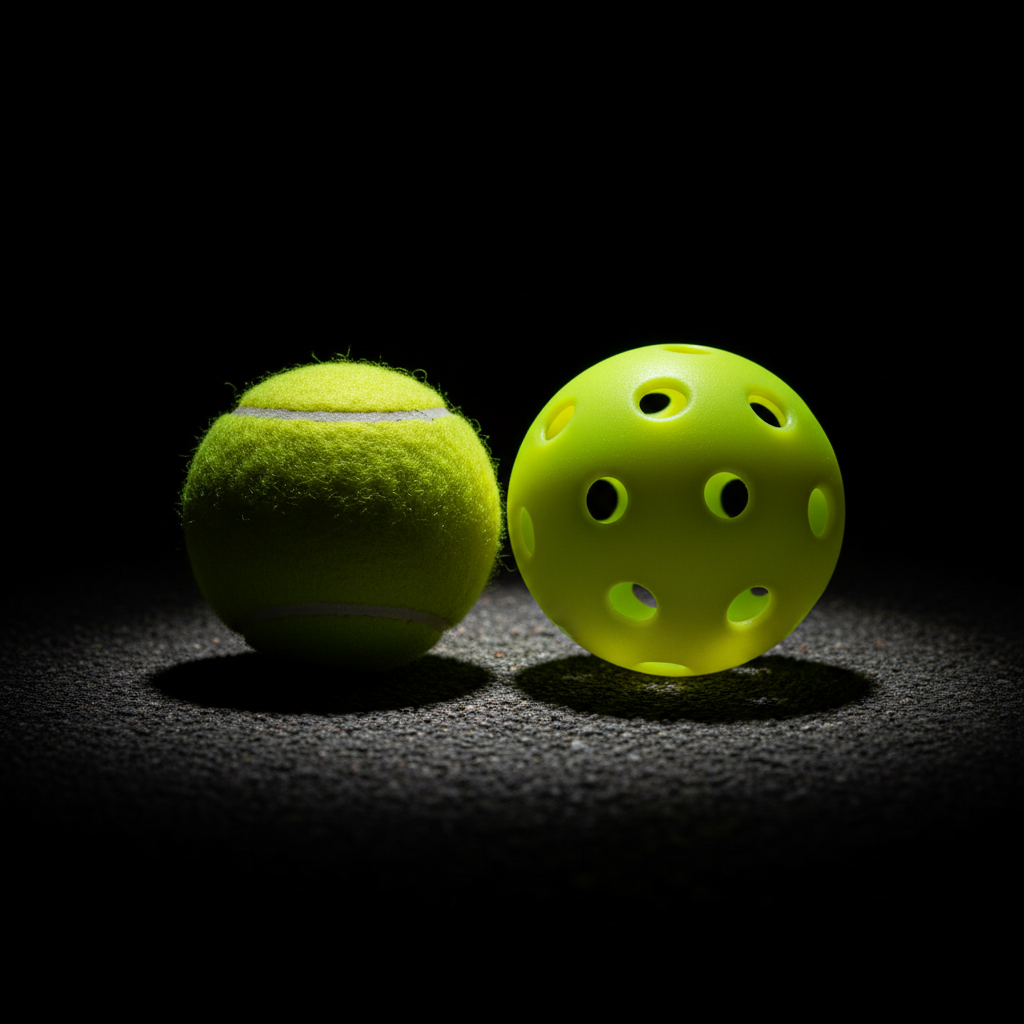
A pickleball is a lightweight, hollow plastic ball with holes. This design means the ball travels slower and has a much lower bounce, leading to longer, more strategic rallies.
A “Blue Ocean” of Opportunity
Pickleball isn’t just a sport; it’s a market phenomenon. It’s considered a “blue ocean” sport, meaning it has created an uncontested market space with enormous potential for growth. This has created a unique environment for players and businesses alike.
Unprecedented Growth
The numbers behind pickleball’s rise are staggering. The sport’s participation grew by an incredible 311% over the last three years in the US alone. With 19.8 million players in 2024, it has even surpassed tennis in monthly participation. For an official perspective on tennis participation and growth, the Lawn Tennis Association provides excellent data.
The Social and Community Aspect
Beyond the technical elements and market growth, the social atmosphere of pickleball is a major draw. Players are closer together on the smaller court, which naturally fosters more interaction and camaraderie. The community is widely known for being friendly and welcoming to new players of all ages and skill levels.
To see how professional players engage with the community, you can often find information on their official websites, such as this exclusive look into pro community involvement.
Conclusion: A New Court to Call Home
The migration from tennis to pickleball is a clear sign of a shift in the world of racquet sports. Pickleball offers a compelling combination of transferable skills, reduced physical strain, and a rapid learning curve. This makes it an ideal choice for seasoned tennis players looking for a new challenge or a more sustainable way to stay active and competitive.
As pickleball continues its meteoric rise, it’s clear that it has carved out a permanent and exciting place in the sporting landscape, offering a new court for millions to call home.