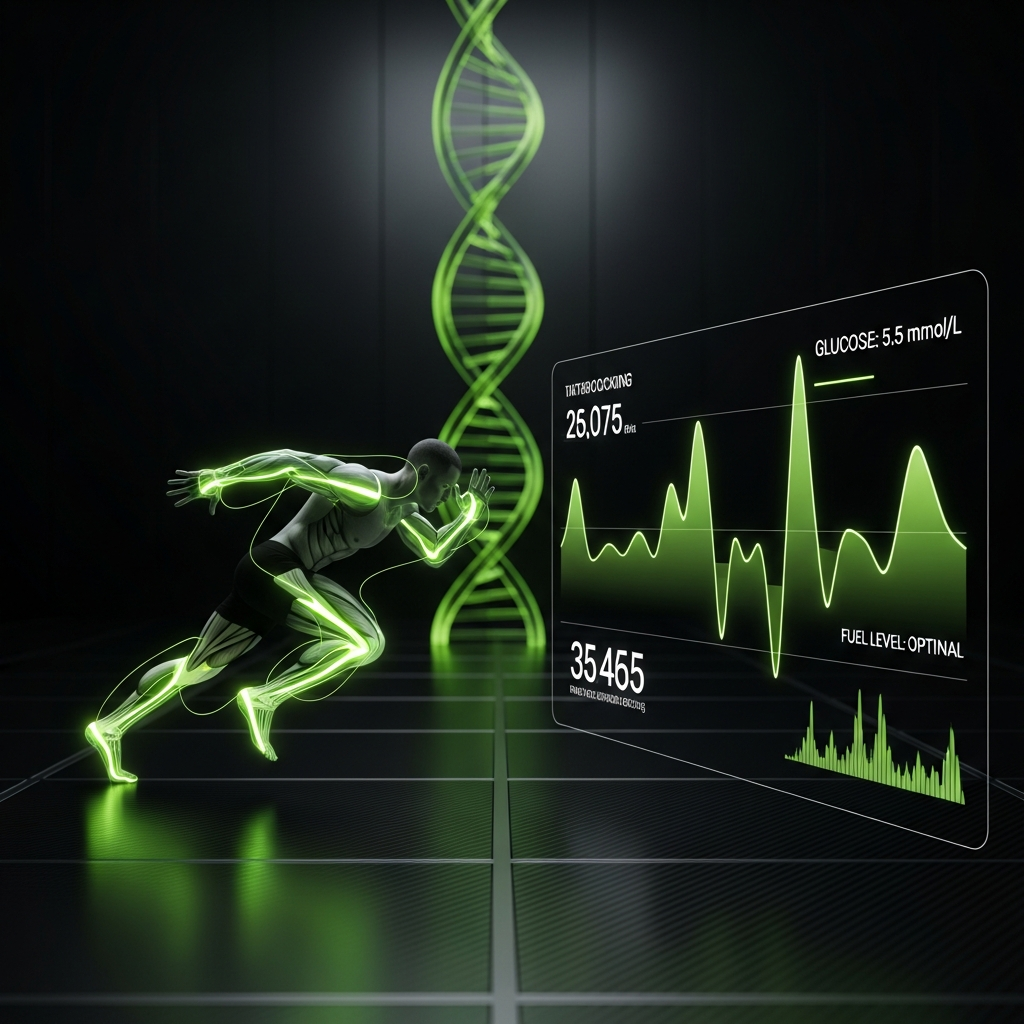
Precision Fueling: Why Athletes Are Bio-Hacking Nutrition
Ditching big meals for a data-driven approach to peak human performance.
The world of elite sports is a realm of marginal gains. Athletes and performance scientists constantly seek the next edge, and increasingly, they’re finding it on their plates. However, the traditional approach of carb-loading with massive pasta dinners is being replaced by a far more sophisticated strategy. Enter precision fueling and bio-hacking, a data-driven nutritional revolution that prioritizes what you eat, when you eat it, and how much you eat with scientific accuracy.
This modern strategy swaps large, infrequent meals for smaller, targeted nutrient intakes throughout the day. This concept, sometimes called “micro-dosing nutrition,” is designed to optimize energy, accelerate recovery, and unlock peak performance. It’s not about eating less; it’s about eating smarter. Consequently, this article explores the science-backed reasons why athletes globally are adopting this powerful approach.

The Problem with Traditional Big Meals for Peak Performance
For years, large meals were the standard for fueling athletic endeavors. However, this approach has significant drawbacks that can hinder performance. When an athlete consumes a large meal, the body must divert significant blood flow and energy to the digestive system.
- ✕Gastrointestinal Discomfort: Bloating and nausea during exercise.
- ✕Energy Crashes: Rapid insulin spikes followed by debilitating sugar crashes.

Ultimately, this old-school approach creates a cycle of under-fueling followed by overeating, preventing the stable energy levels required for consistent, high-level performance.
“Micro-Dosing” Nutrition: The Power of Frequent, Targeted Intake
The core of precision fueling is nutrient timing. Instead of overwhelming the body, this strategy provides a steady stream of specific nutrients exactly when they are needed most.
Fueling During Prolonged Exercise
For exercise lasting more than 90 minutes, consistent energy is crucial. Research shows that athletes should aim for 30-60 grams of easily digestible carbohydrates per hour to maintain blood glucose levels and delay fatigue. For more on specific fueling products, some brands like MySportScience Nutrition Blog offer detailed guides.
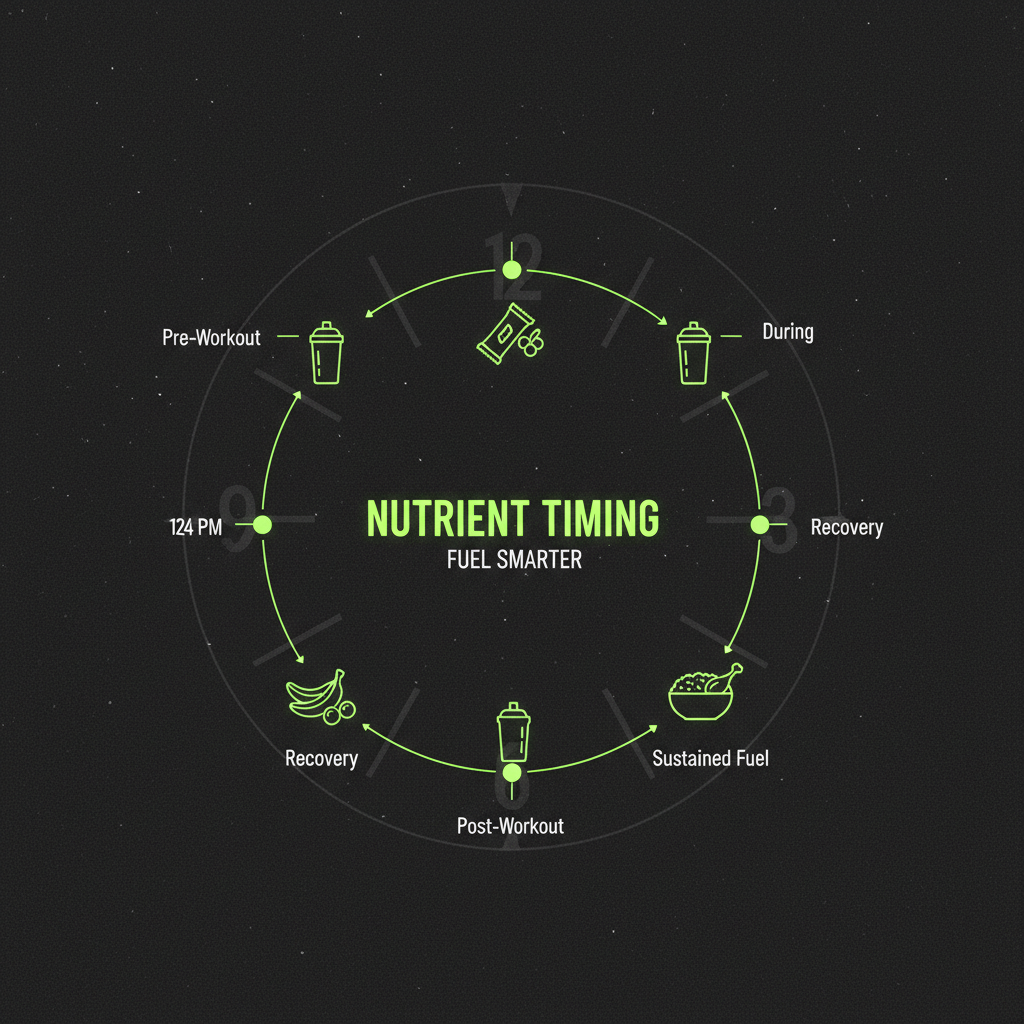
Optimizing Pre- and Post-Workout Nutrition
Preparation Phase
Target: 1-4 hours before activity
Rich in carbohydrates (1-4 g/kg) with a small amount of protein to avoid digestive stress.
Recovery Window
Target: 30-45 minutes after
Glycogen replenishment (1.0-1.5 g/kg) and muscle repair (15-25g protein).
How to Implement Precision Fueling: A Data-Backed Guide
Adopting a precision fueling strategy involves understanding your specific needs and using data to guide your choices. It moves beyond generic advice to create a truly personalized plan.
Macronutrient Benchmarks
- Carbohydrates3-12 g/kg daily
- Proteins1.4-2.2 g/kg daily
- Fats25-30% of total calories
Vitamins and minerals like iron, magnesium, and Vitamin D are vital for energy production and recovery. While a “food first” approach is best, some athletes may benefit from supplements. The U.S. Anti-Doping Agency provides resources like USADA’s Supplement 411 Guide to help athletes choose safe supplements.
The Proven Advantages of Precision Fueling
Athletes who follow personalized nutrition regimens often achieve superior outcomes. Moving from traditional meals to a personalized, data-backed strategy offers clear, performance-enhancing benefits:
Optimized Energy Levels
Accelerated Muscle Repair
Lean Body Composition
Reduced Injury Risk
Professional guidance from a qualified expert, such as those found through the Academy of Nutrition and Dietetics Directory, is highly recommended for creating a safe and effective plan.
The Future of Athlete Nutrition
“The shift away from traditional big meals toward precision fueling represents a monumental leap in sports science. The future of performance isn’t just about training harder; it’s about fueling smarter.”