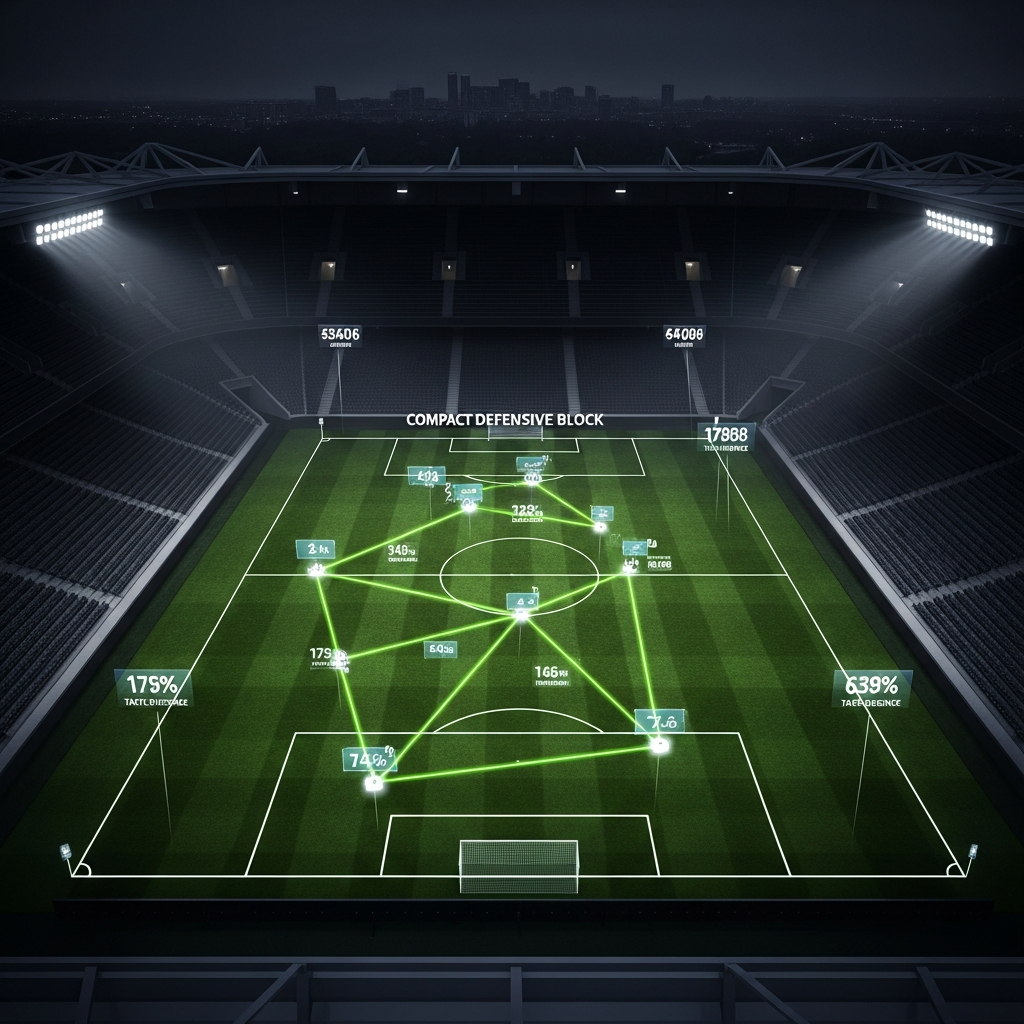
The End of Guesswork:
Using AI and Drones for a Rock-Solid Defensive Shape
Football has evolved. Gone are the days when match analysis was just about possession stats and shots on goal. Today, a technological revolution is sweeping through the sport, from the Premier League to academies in Africa.
Coaches are now armed with advanced tools like artificial intelligence (AI) and drones, providing insights that were once impossible to see. This fusion of aerial footage and smart algorithms is changing how teams defend. It allows for incredibly detailed “positional deep-dives” that transform a team’s defensive shape from a hopeful concept into a data-driven strategy.
The Bird’s-Eye View: Why Drone Footage is a Game-Changer
The first step in modern analysis is getting the right perspective. Traditional sideline cameras can be deceptive. They flatten the pitch and hide the crucial distances between players. Drones, however, completely change the game by offering an unparalleled bird’s-eye view.
Seeing the Whole Picture
From above, coaches and analysts can see the entire defensive block as one cohesive unit. This perspective makes it easy to spot critical details that are often missed from the ground level. For example, you can accurately assess:

- Spacing and Compactness: Are the distances between your defenders, midfielders, and the ball correct?
- Player Positioning: Is a fullback being pulled too wide or failing to track back?
- Transitions: How quickly does the team regain its shape after losing possession?
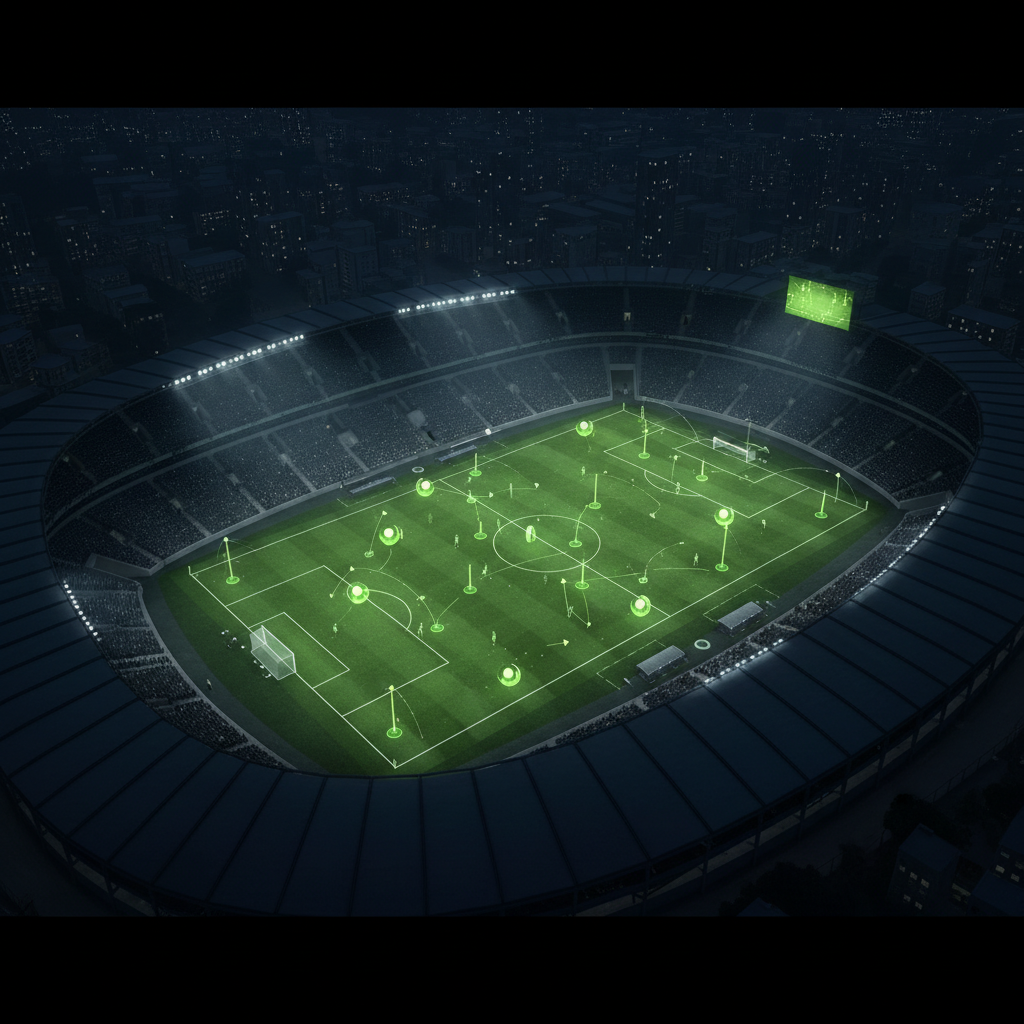
Clubs like Manchester City have famously integrated drones into their training sessions, proving their value at the highest level. This technology provides the clear visual context needed to understand defensive dynamics.
Beyond the Visuals: AI’s Role in Positional Deep-Dives
Capturing the footage is only half the battle. The true power comes from interpreting it. Manually analyzing hours of video is incredibly time-consuming and prone to human error. This is where artificial intelligence steps in, acting as the brain behind the drone’s eyes.
AI-powered software automates the analysis process. It tracks every player’s movement, logs positional data, and identifies recurring tactical patterns with immense precision. Furthermore, it can perform deep-dives into how players interact within the team structure.
FEATURED RESOURCE
A leading example of this is TacticAI, an AI assistant developed by Google DeepMind in collaboration with Liverpool FC. As explained on the official DeepMind blog, this system uses geometric deep learning to offer tactical advice, particularly for corner kicks.
Turning Metrics into Defensive Mastery
The synergy of drones and AI produces a wealth of quantitative data. This isn’t just data for data’s sake; it provides concrete, actionable insights that coaches can use to make immediate improvements on the training pitch.
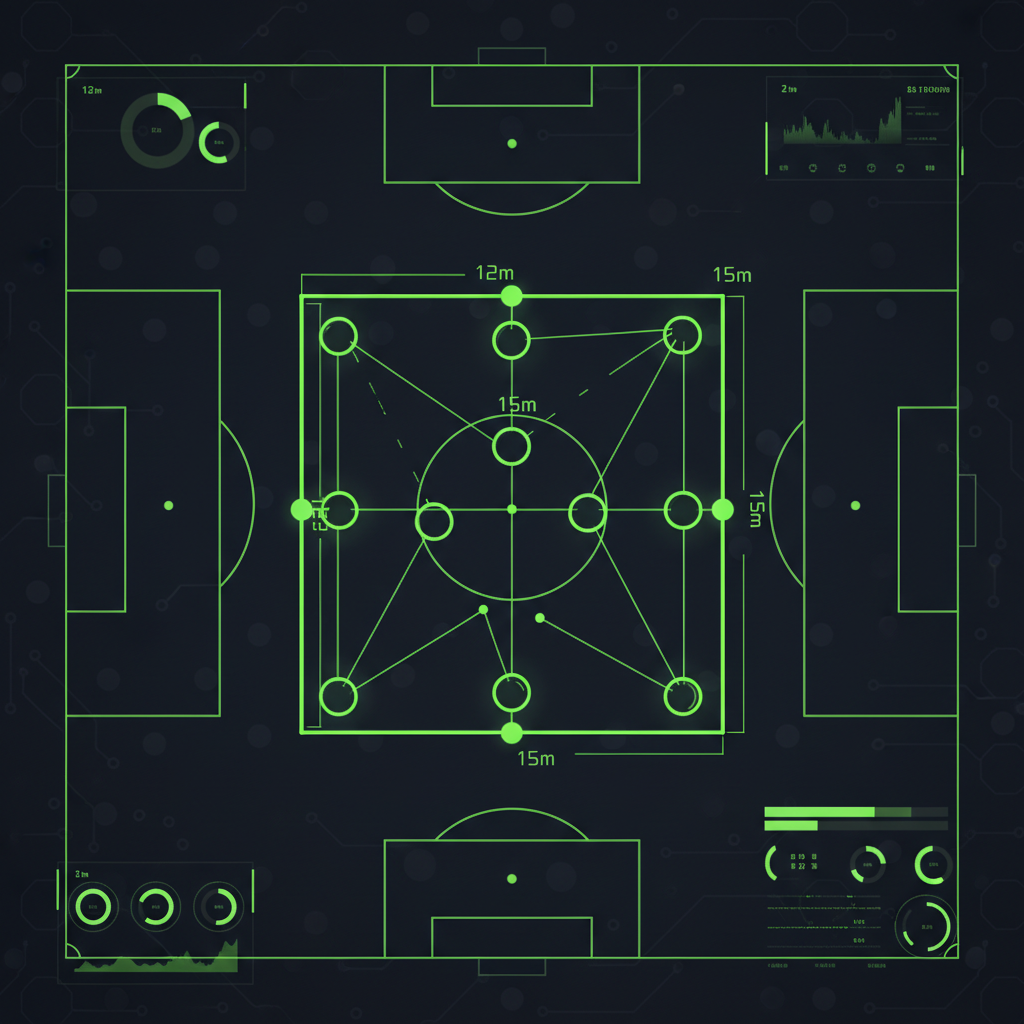
While some clubs like FC Barcelona use extensive fixed camera systems to gather data, the principles of analysis remain similar. Key metrics that these systems provide include:
Inter-line Space
Calculates the space between defensive, midfield, and forward lines.
Pressure Intensity
Quantifies how effectively and quickly players close down an opponent.
Coaches use this information to design specific training drills. This data-driven approach, offered by companies like STATSports, makes coaching more precise and efficient.
Navigating the Hurdles: Limitations and Ethics
Of course, this advanced technology is not without its challenges. Practically, drones are dependent on good weather and have limited battery life. Moreover, strict regulations often prohibit their use during official matches.
Beyond these limitations, there are significant ethical questions. The constant collection of player data raises serious privacy concerns. Clubs must be transparent with players. In addition, there is a risk that over-reliance on AI could diminish the role of human intuition, which remains a vital part of football.
Conclusion: A Smarter Future for Football
The combination of drone footage and AI analysis represents a monumental leap forward in football tactics. By moving from guesswork to data-backed decisions, teams at all levels can build more disciplined, organized, and ultimately more successful defensive units.