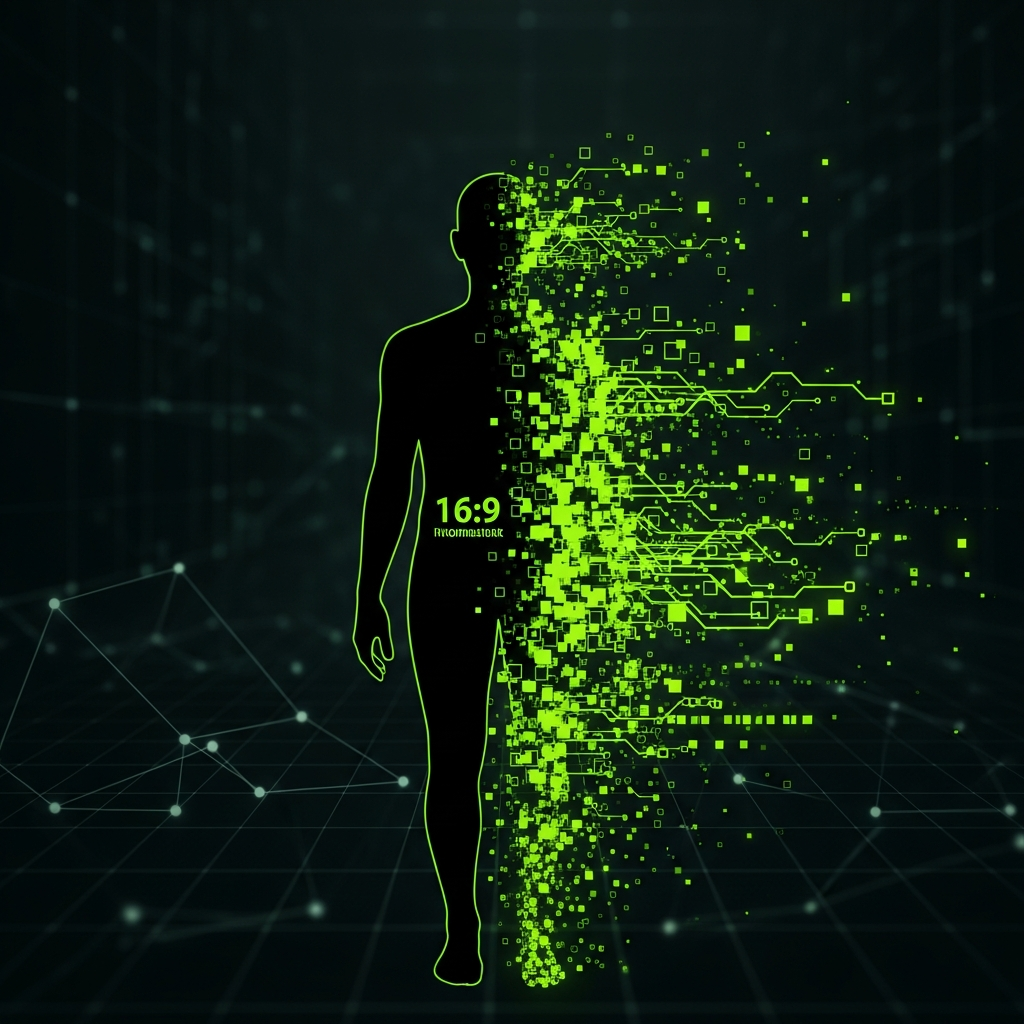
The Unseen Conversation
What your camera misses about body language and how it flattens our human connection.
In our hyper-connected world, video calls are the new handshake. From Lagos to London and New York to Nairobi, we connect through screens for work, family, and friendships. However, while our cameras show our faces, they often hide a deeper story.
A huge part of our communication—our body language—gets lost in translation. This digital blind spot can lead to misunderstandings and a weaker sense of connection.
Words only tell part of the story. Consequently, understanding what the camera doesn’t show is key to becoming a better virtual communicator.
What We Lose in the Digital Frame
Face-to-face interaction is a rich, three-dimensional experience. In contrast, a video call flattens this reality into a two-dimensional image. This simple change has a massive impact on how we perceive each other.
The Problem with a 2D Perspective
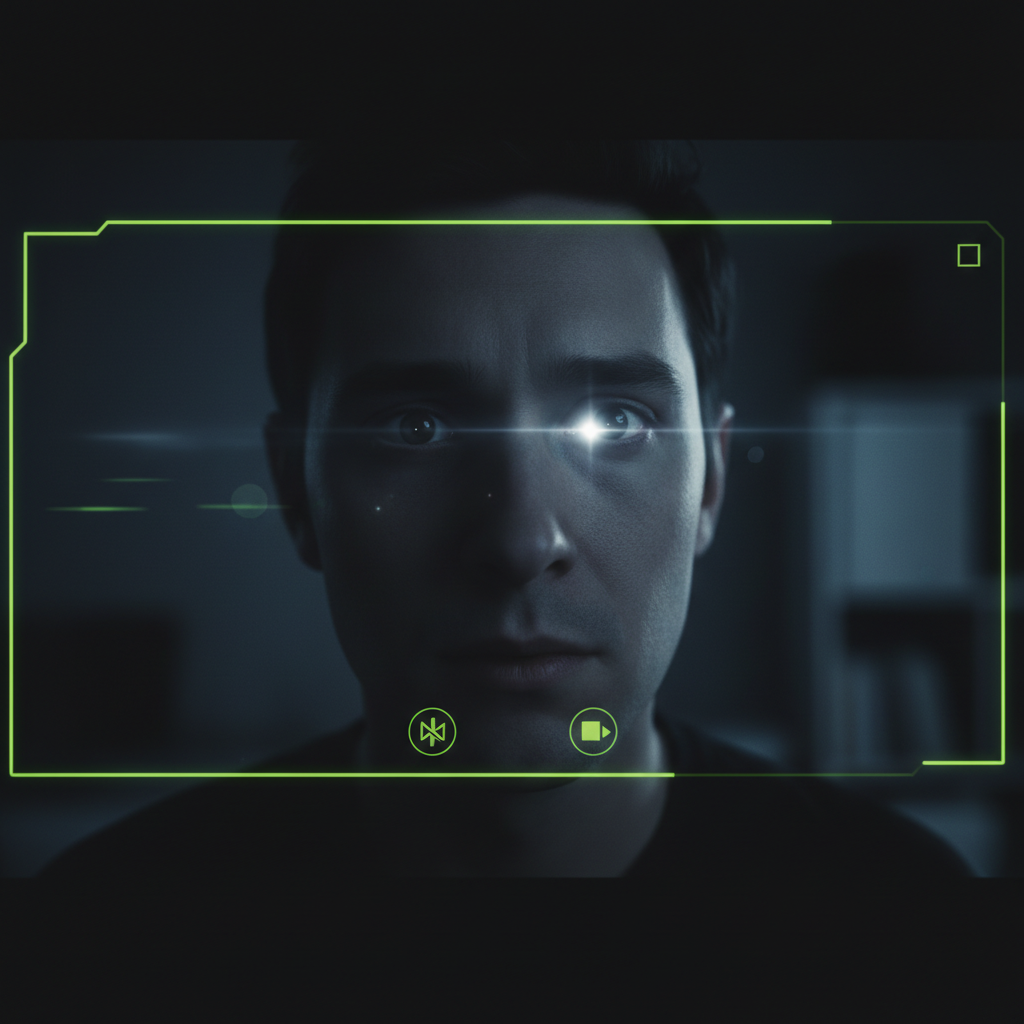
Our brains are wired to read a person’s “full non-verbal package.” This includes their posture, subtle shifts in weight, and the space they occupy. A camera reduces this holistic view to a flat picture. For instance, a slight lean forward that signals interest in a person can be completely missed on screen.
Beyond the Shoulders-Up View
Most video calls only show us from the shoulders up. This limited frame cuts off a huge amount of visual information. Think about what happens below the desk:
- Tapping feet that might signal impatience or excitement.
- Fidgeting hands that could indicate nervousness.
- A relaxed, open posture that shows confidence.
Because these crucial visual cues are missing, we lose significant context. This forces our brains to fill in the gaps, which can easily lead to wrong assumptions.

The Unseen Language: Microexpressions and Nuances
Beyond broad movements, cameras struggle to capture the most subtle and honest forms of body language. These fleeting signals are often the most revealing.
Fleeting Feelings: Microexpressions
Microexpressions are tiny, involuntary facial expressions that last for just a fraction of a second. They reveal a person’s true emotion. Technical issues like poor video quality or signal delays can easily obscure these split-second cues.
The Challenge of Eye Contact
Genuine eye contact builds trust. To appear like you are making eye contact on a video call, you must look directly into the camera lens, not at their image on the screen. This feels unnatural and often results in a “gaze error,” misinterpretable as disinterest.
How Virtual Gaps Affect Our Brains
The constant lack of nonverbal information doesn’t just create awkwardness; it has real psychological effects. It increases our mental workload and can weaken our relationships.
“Zoom Fatigue”
Our brains work much harder to process limited cues. The feeling of being watched by many faces (“hyper-gaze”) creates significant social anxiety.
Reduced Empathy
When we can’t see the full picture, emotional connection is undermined. Silence might be mistaken for agreement when it’s actually confusion.
Bridging the Gap: How to Compensate on Camera
01
Optimize Your Setup
Position your camera at eye level. Frame yourself from the torso up so your hand gestures can be seen.
02
Be More Expressive
Since subtle cues are lost, slightly exaggerate your nonverbal signals. Nod more visibly to show engagement.
03
Master Your Vocal Tone
Pay attention to pitch and pace. A steady tone projects more authority when visual cues are thin.
Explicitly state what your body language might otherwise show. For example, say, “I’m really excited about that idea,” or “That’s a great point, I agree.”
Conclusion: Communicating with Clarity
Video calls are an incredible tool for connection across the globe. However, it is crucial to recognize their limitations. The camera lens filters out a rich layer of nonverbal communication, from grand postures to fleeting microexpressions.
By understanding what is lost, we can become more mindful and deliberate communicators. As technology like VR and AR evolves, we may one day close this virtual gap.