
The New SportsTycoons
How athlete-owners and multi-club models are revolutionizing the global $516 billion sports industry.
The business of sports is no longer just a game; it’s a global financial juggernaut. Valued at over $516 billion in 2024, the industry is on a blistering trajectory to exceed $800 billion by 2034.

The Financial Power Play: Why Sports Teams Are Trophy Assets
At its core, the modern sports business stands on four powerful revenue pillars. These engines are what make team ownership so incredibly attractive to high-net-worth individuals and institutional investors.
Firstly, media rights are the undisputed heavyweight champion of revenue. Leagues like the NFL have secured staggering deals, such as their 11-year, $110 billion agreement, because live sports are one of the last bastions of appointment television. Similarly, the NBA’s recent $76 billion package underscores the immense value of live content in the streaming age.

Figure 1: Exponential growth in sports franchise valuation (2010 – 2025)
Beyond broadcasting, several other streams contribute significantly:
-
Sponsorships & BrandingCompanies pay enormous sums for association. This ranges from stadium naming rights to the jersey patches seen on players.
-
Matchday Revenue: Ticket sales, premium hospitality suites, and concessions remain vital. For instance, the Dallas Cowboys leverage their state-of-the-art stadium to generate a massive portion of their $1.2 billion in annual revenue.
-
Licensing & Merchandising. This pillar turns fan passion into profit through jersey sales and video game licenses, extending a team’s brand into homes worldwide.
This financial foundation creates a “scarcity premium.” With a limited number of teams in major leagues, franchises like the Dallas Cowboys ($13B) and Golden State Warriors ($11B) have become “unicorn” investments, consistently outperforming traditional market indexes.
The Rise of the Athlete-Owner and Institutional Capital
The playing field of ownership is changing dramatically. It’s no longer the exclusive domain of traditional billionaires. A new class of investor has entered the arena, bringing both capital and invaluable industry experience. Consequently, we are seeing the rise of the athlete-owner, where current and former stars leverage their earnings and influence to acquire equity in the teams they once played for.
This trend is happening alongside a massive influx of institutional money. Major leagues, including the historically cautious NFL, now permit private equity firms to purchase minority stakes. This “professionalizes” the investment landscape, treating teams less like a hobby and more like a core portfolio asset.
Furthermore, sovereign wealth funds have become major disruptors. Saudi Arabia’s Public Investment Fund (PIF), for example, has poured billions into LIV Golf and acquired Premier League club Newcastle United. This flood of new capital from diverse sources is reshaping team valuations and competitive dynamics across the globe. For an inside look at how athletes are viewing these opportunities, you can often find their perspectives on platforms like The Players’ Tribune.
The Multi-Club Conundrum: Innovation or Integrity Risk?
Perhaps the most debated new strategy is the Multi-Club Ownership (MCO) model, famously employed by groups like City Football Group and Red Bull. This model involves a single entity owning or holding significant stakes in multiple clubs across different countries and leagues.
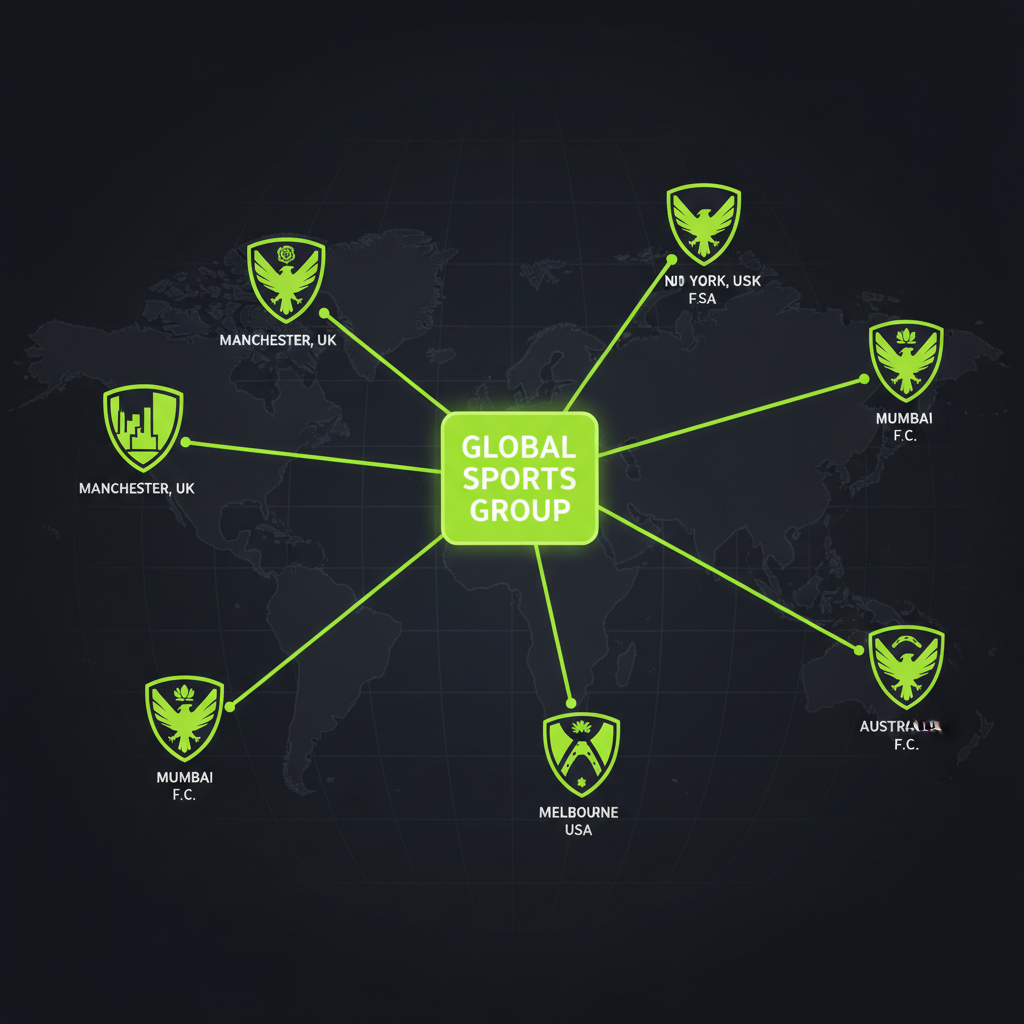
On one hand, the business logic is compelling. MCOs create incredible synergies. They can establish a global scouting network, develop players in one league and move them to another, and strike multinational sponsorship deals that a single club could only dream of. It’s an efficient, globalized approach to brand-building and talent management. You can see how these groups present their global strategy on their official websites, like City Football Group’s corporate site.
However, this model presents serious questions about competitive integrity. Critics worry about potential conflicts of interest when two teams under the same ownership compete in the same tournament, such as the UEFA Champions League. It blurs the lines of competition and raises concerns that on-field decisions could be influenced by off-field business strategy. The debate rages on: is the MCO model a brilliant innovation or a fundamental threat to the level playing field that makes sports so compelling?
Conclusion: The Future of the Front Office
The business of sports is evolving at a breakneck pace. Driven by colossal media deals and an influx of sophisticated capital, team ownership has become one of the most sought-after investments in the world. The emergence of athlete-owners brings a fresh perspective to the boardroom, while the rise of the multi-club model challenges our traditional notions of competition.
As the industry continues its march toward an $800 billion valuation, one thing is certain: the strategies being developed in today’s front offices will define the beautiful game for generations to come. For more analysis on specific league valuations, publications like Forbes’ annual sports valuations list offer deep dives.