The Future of Feeling Good
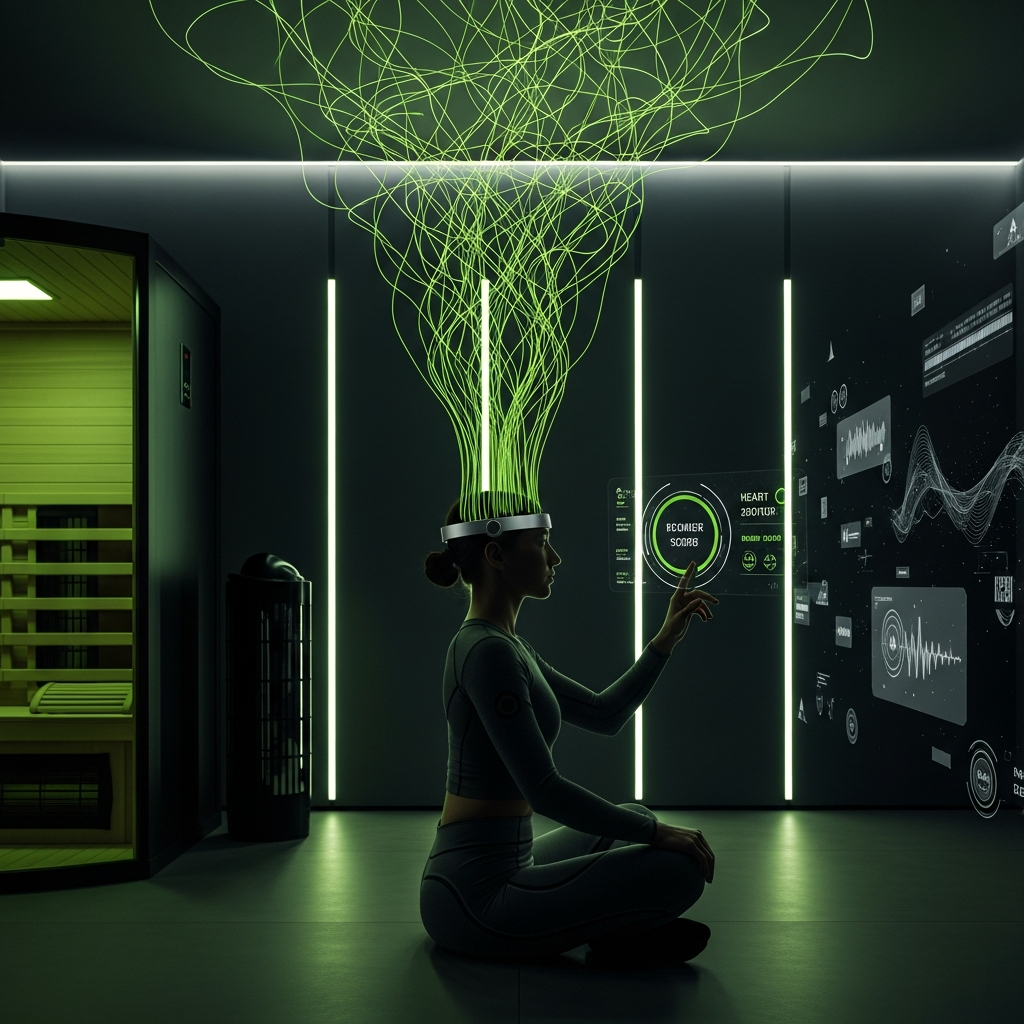
The conversation around wellness has changed. It’s no longer just about green juice after a gym session. Instead, a more holistic understanding has emerged worldwide, from the US to the UK and across Africa. Today, recovery is a comprehensive journey that unites mental clarity with physical strength.
Technology is at the heart of this revolution, offering personalized and accessible tools for both mind and body. This shift marks a powerful new era where taking control of your well-being is more achievable than ever before.
The New Wave of Mental Wellness
Modern mental health care is moving away from a one-size-fits-all approach. Consequently, it now champions a philosophy of personal empowerment and customized support, recognizing that each journey is unique.

Beyond the Couch: Integrated and Personalized Care
The focus has shifted from simply treating symptoms to a “Recovery Model.” This person-centered approach emphasizes hope and self-determination, empowering you to lead a fulfilling life, even with ongoing challenges.
A key part of this is integrated care. Many now understand that mental health conditions and substance use often coexist. Therefore, modern treatment addresses both issues simultaneously with a single, unified team. This leads to more effective, sustained recovery by building coping strategies for both emotional triggers and cravings.
Tech-Powered Support: Digital Mental Health Solutions
Technology has broken down major barriers to getting help. Digital solutions have made mental healthcare more flexible and accessible than ever before.
Online Therapy
Telehealth platforms connect you with professionals without the logistical hurdles of in-person visits.
AI-Enabled Platforms
New tools offer support and resources on-demand, fitting into your schedule perfectly.
Smartphone Apps: A wealth of applications provides everything from guided meditation to mood tracking, putting wellness tools directly in your pocket.
Evidence-Based Therapies Go Mainstream
Modern recovery relies on methods with strong scientific backing. Therapies like Cognitive Behavioral Therapy (CBT) and Dialectical Behavior Therapy (DBT) are gold standards for reducing symptoms of anxiety and depression. Similarly, treatments like EMDR are proving highly effective for trauma.
For more complex cases, innovative options such as ketamine therapy, used alongside structured psychotherapy, are offering new hope. You can learn more about how these therapies work from trusted sources like Psychology Today’s CBT Insights.
Recovery Tech: Hacking Your Physical Well-being
Just as technology is reshaping mental health, it’s also providing powerful tools to help our bodies heal faster and perform better. From elite athletes to everyday fitness enthusiasts, new gadgets and techniques are making optimal recovery a reality.
The Great Sauna Debate: Infrared vs. Steam
One of the hottest topics in recovery is whether an infrared or steam sauna is better for flushing out lactic acid after a tough workout. Lactic acid is the byproduct that causes that familiar muscle burn and soreness.
Infrared Saunas
“Deeper penetration for muscle relief.”
Uses infrared light to heat your body directly, dilating blood vessels to clear metabolic waste.
Steam Saunas
“Cardiovascular stimulation via moist heat.”
Stimulates the cardiovascular system and helps flush waste products through sweat.
High-Tech Tools for Healing
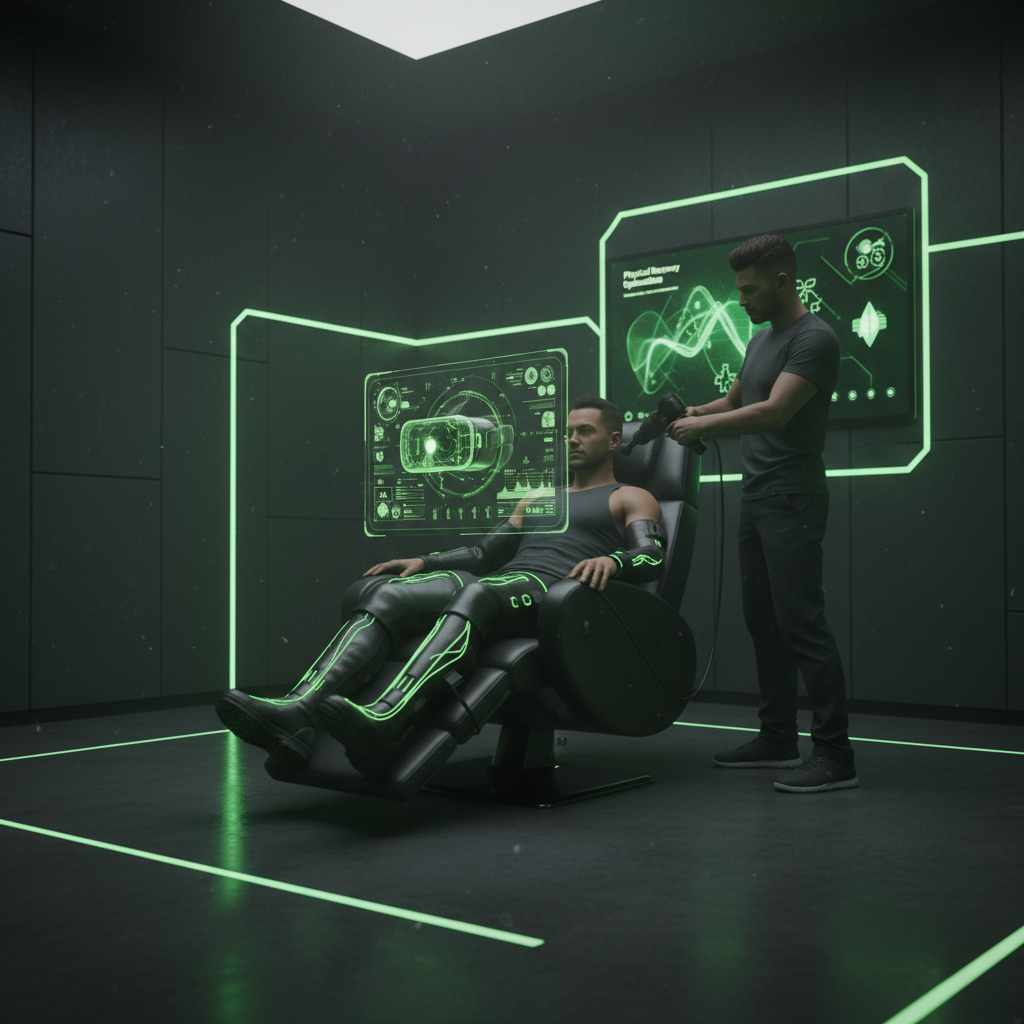
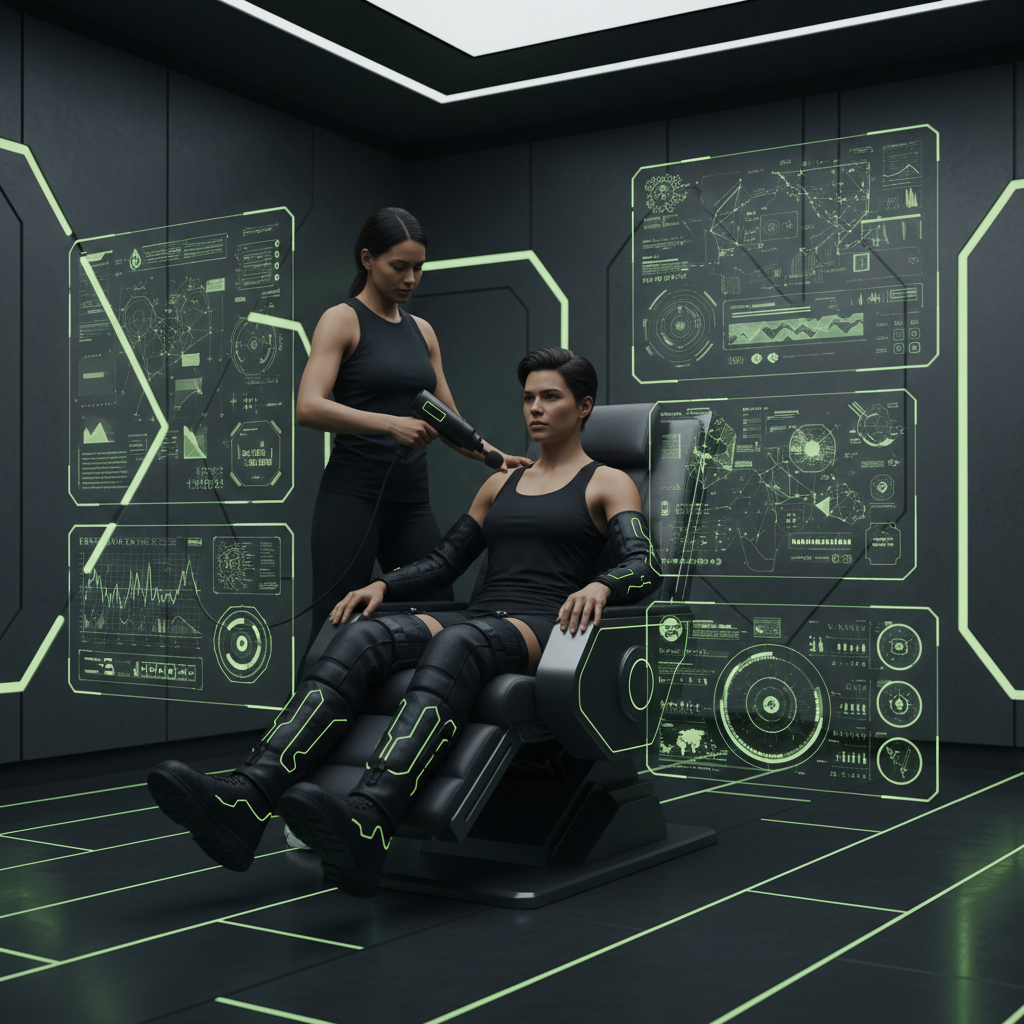
Beyond the sauna, a whole suite of technology is available to accelerate physical recovery. Virtual reality (VR) game systems, for instance, are helping stroke patients regain coordination engagingly. Meanwhile, athletes and physical therapy patients use devices like Normatec Compression Technology to speed up healing.
- Compression Therapy: Devices that use air to massage limbs, improving circulation and reducing swelling.
- Electrical Muscle Stimulation: Tools that contract muscles to reduce pain and re-educate the tissue.
- Percussive Massage Guns: Handheld devices that provide deep-tissue massage to relieve tension.
The Social Side of Wellness
Your wellness journey doesn’t have to be a solo one. Social media has created a new frontier for support, allowing people to connect, share experiences, and find motivation.
Sharing Your Journey: The Power of Community
Platforms like Instagram and TikTok are filled with people documenting their wellness goals. This creates a powerful sense of community and accountability. Sharing your own progress can inspire others while also helping you stay committed.
Most importantly, these online discussions are breaking down the stigma around mental health, making it easier for everyone to seek support. However, it’s wise to be a critical consumer of online content. Always prioritize advice from qualified professionals over unverified trends.
Conclusion: Your Personalized Path
Modern recovery is a dynamic and deeply personal process. The lines between mental and physical health are blurring, revealing a holistic path to well-being supported by incredible technological advancements.
From evidence-based therapies to high-tech physical recovery tools, you now have an unprecedented number of resources at your fingertips. By embracing a personalized approach and leveraging the power of community, such as those found in peer support services like NAMI Support Networks, you can build a resilient, healthier, and more fulfilling life.