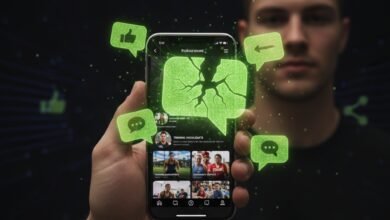
The Athlete’s Dilemma
Managing Mental Health, Personal Brands, and the relentless pressure of Recruitment Burnout.
In the high-stakes world of sports, the journey to success is often a relentless gauntlet of trials, showcases, and evaluations. This constant pressure cooker can lead to “recruitment burnout,” a state of deep mental and emotional exhaustion.
For the modern athlete, this challenge is magnified by another crucial element: the personal brand. Building a public image on social media can feel like another full-time job, adding layers of scrutiny. However, this same tool, when used wisely, can become a powerful asset for navigating pressure and safeguarding mental well-being. This article explores the delicate balance between the demands of recruitment, the pressures of personal branding, and an athlete’s mental health.

The Unseen Opponent: Understanding Recruitment Burnout
Before an athlete ever steps onto the professional stage, they face a grueling series of tests. This constant cycle of judgment can take a significant mental toll, a phenomenon known as recruitment burnout.
Anxiety and the Pressure to Perform
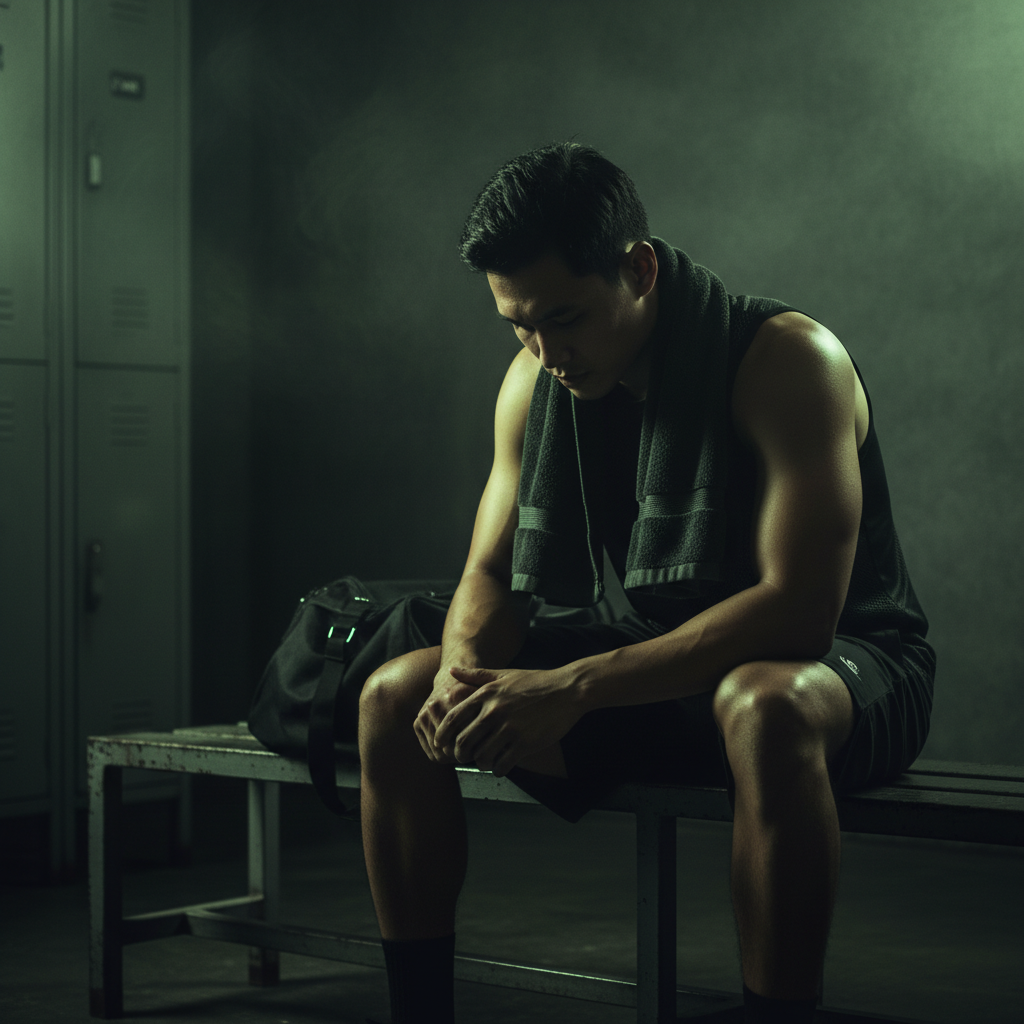
Repeated tryouts and showcases create a tense and stressful environment. Consequently, many aspiring athletes experience intense anxiety and self-doubt. The pressure to perform perfectly for evaluators can feel overwhelming. This anxiety isn’t just in your head; it can show up physically with a rapid heartbeat, muscle tension, and sweating. It also manifests psychologically through negative self-talk, making it even harder to focus.
The Weight of Constant Judgment
In every trial, athletes make themselves vulnerable to rejection. This high-stakes environment is mentally draining. Focusing too much on a negative outcome can interfere with performance, creating a self-fulfilling prophecy. Over time, this cycle of stress and a lack of control can lead to a severe loss of motivation. The emotional and physical exhaustion builds up, leading to a deep sense of depletion that affects an athlete’s overall well-being and even their personal relationships.
Personal Branding: A Source of Stress or a Path to Strength?
An athlete’s personal brand is a double-edged sword. On one hand, it adds another layer of pressure. On the other, it provides a unique opportunity to take control and build resilience.
The Downsides: Scrutiny and the Perfect Image
Social media exposes athletes to constant public scrutiny. Negative comments and online abuse can deeply impact self-worth and mental wellness. This is particularly true for women and athletes of color, who often face more intense online harassment. Furthermore, the need to maintain a “perfect” image for fans and sponsors creates immense stress. Athletes may feel forced to hide negative emotions, which only compounds their anxiety. The 24/7 nature of social media also makes it difficult to disconnect, hindering the psychological recovery needed to handle high-stress demands.
The Upside: Taking Control of Your Story
Conversely, a strong personal brand empowers athletes to manage their own narrative. It allows them to shape their public image in a way that aligns with their personal values. When athletes use their platform authentically, they can build incredible connections. For instance, athletes like Michael Phelps have openly discussed their mental health struggles, destigmatizing the conversation for millions. Explore the Michael Phelps Foundation’s advocacy work. This authenticity fosters trust and relatability. It also allows athletes to advocate for social causes, showcase their interests outside of sports, and build a foundation for life after their athletic career ends.

Building Resilience: Strategies for Mind and Brand
Navigating the pressures of recruitment and branding requires proactive strategies. By focusing on both mental wellness and brand management, athletes can build the resilience needed to thrive.
Embrace Authenticity
The most powerful brands are genuine. Our recommended approach includes:
- Share Your Journey: Be open about both challenges and triumphs. This resonates deeply with fans and builds a stronger, more relatable brand.
- Showcase Your Passions: Highlighting hobbies and interests outside of your sport humanizes you. It helps fans connect on a personal level.
- Integrate Mental Health: Aligning with mental health causes can destigmatize the issue and attract socially responsible partnerships.
Focus on the Process, Not the Prize
Managing anxiety during recruitment is crucial. It is essential to shift your focus from the final outcome to the actions you can control. Acknowledging that setbacks are a normal part of any competitive journey helps build mental toughness. For example, many successful athletes maintain blogs where they discuss overcoming obstacles in their careers. Read authentic athlete stories on The Players’ Tribune. Concentrating on your personal effort and strengths, rather than comparing yourself to others, improves focus and reduces negative self-talk.
Master Your Digital Presence
Responsible social media engagement is key. While interacting with fans is valuable, athletes must also learn healthy online habits to protect themselves from negative impacts. Building a strong support system of coaches, teammates, and family is vital for encouragement and perspective. In addition, seeking guidance from professionals who understand the unique pressures of sports is a sign of strength, not weakness. Visit the Association for Applied Sport Psychology.
A Path Forward
The pressures of modern athletics are immense. The combination of recruitment burnout and the demands of personal branding presents a significant challenge to mental health. However, athletes are not powerless. By embracing authenticity, taking control of their narrative, and implementing healthy coping strategies, they can transform their personal brand from a source of stress into a tool for empowerment. Ultimately, a well-managed brand not only supports a successful career but also fosters a healthy and resilient mind.