Soft Penalties and Liverpool: Would That Call Be Made in the Premier League?
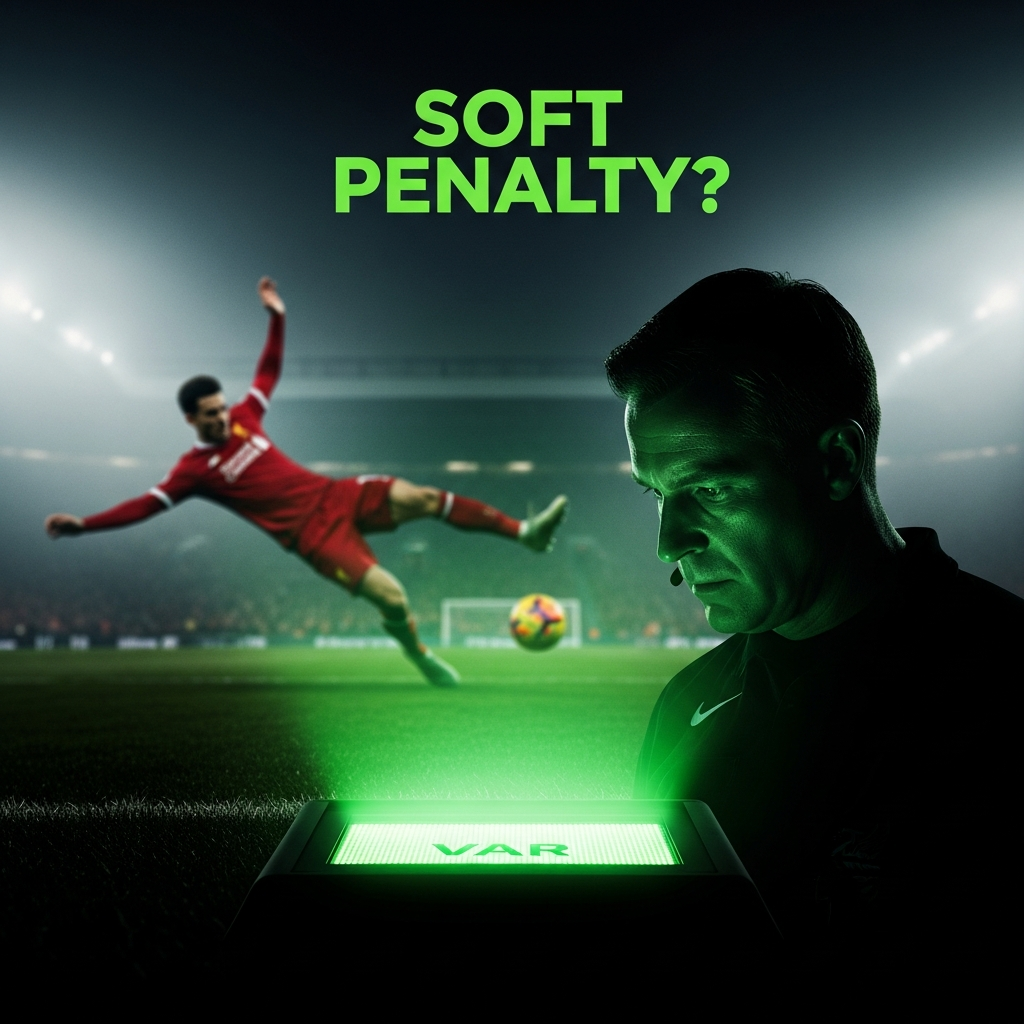
The roar of the crowd, a player on the turf, and the referee pointing to the spot—it’s a moment of high drama in any football match. Recently, however, the conversation has shifted from the foul itself to its “softness.” A controversial penalty decision involving Liverpool in a Champions League clash has ignited a fierce debate. It raises a crucial question for fans globally: would the same “soft” penalty be given under the intense scrutiny of the Premier League? This discussion dives deep into the differing standards of officiating and what it means for clubs like Liverpool.
The European Incident: A Penalty Under Scrutiny
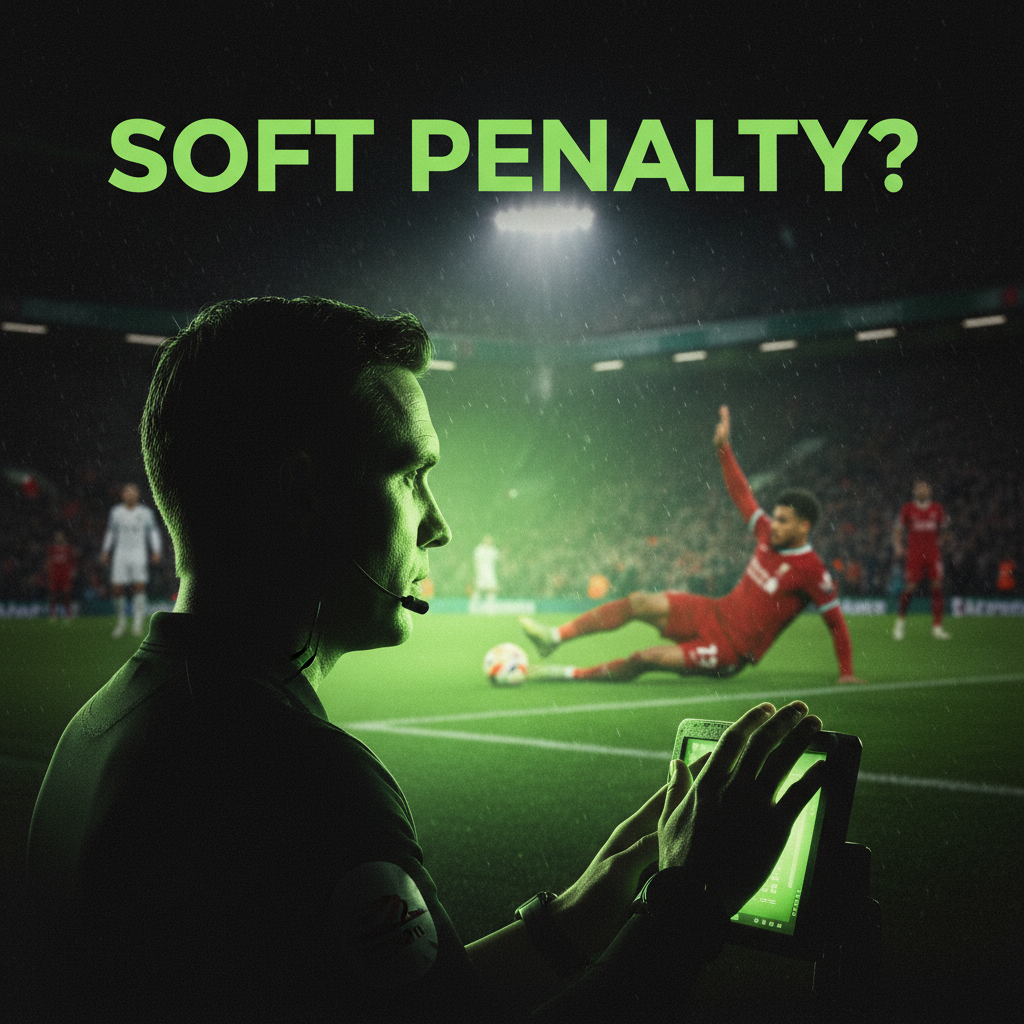
The catalyst for the recent debate was a late penalty awarded to Liverpool in a Champions League match against Inter Milan. The decision came after Inter’s Alessandro Bastoni was judged to have tugged on Florian Wirtz’s shirt. Consequently, the call was met with immediate criticism.
Many observers, including former Liverpool defender Stephen Warnock, labeled it a “soft” decision. Even Liverpool’s own Andy Robertson admitted the penalty “looked soft.” The incident highlights a significant gray area in modern football. While contact was present, the debate rages on whether it was enough to justify such a game-changing call, especially with VAR in play.
A Tale of Two Competitions: VAR’s Shifting Standards
This single European incident sheds light on a wider issue: the difference in officiating between competitions. The Premier League, in particular, has reportedly evolved its approach to VAR interventions. The focus has shifted towards a “contact with consequence” guideline. This means officials look for contact significant enough to truly impede a player.
This is a notable change from VAR’s early days. For instance, Liverpool fans might recall conceding a penalty against Brighton when Andy Robertson made minimal contact with Danny Welbeck’s boot. Under today’s Premier League standards, that decision might be different. Therefore, the penalty given against Inter in Europe might not have survived a VAR review on English soil, where the threshold for intervention appears to be higher.
Premier League Flashpoints: A Closer Look
While the European call sparked discussion, Liverpool has also been at the center of controversial penalty decisions within the Premier League itself. These moments keep the debate about “soft” penalties alive and kicking.
Case Studies in Controversy
- Dominik Szoboszlai vs. Bournemouth: A penalty was given after a foul on Szoboszlai, but replays suggested “very little contact, if any at all,” leading to accusations of diving.
- Diogo Jota vs. Newcastle: Jota won a penalty after rounding the goalkeeper, but pundits like Alan Shearer heavily criticised the delayed fall, calling it “embarrassing.”
- Michael Keane Handball vs. Everton: A cross struck Keane’s outstretched arm, leading to a penalty via VAR. While technically correct by the laws of the game, its controversial nature stemmed from the close proximity of the players.
Beyond the Anecdotes: What Do the Statistics Say?
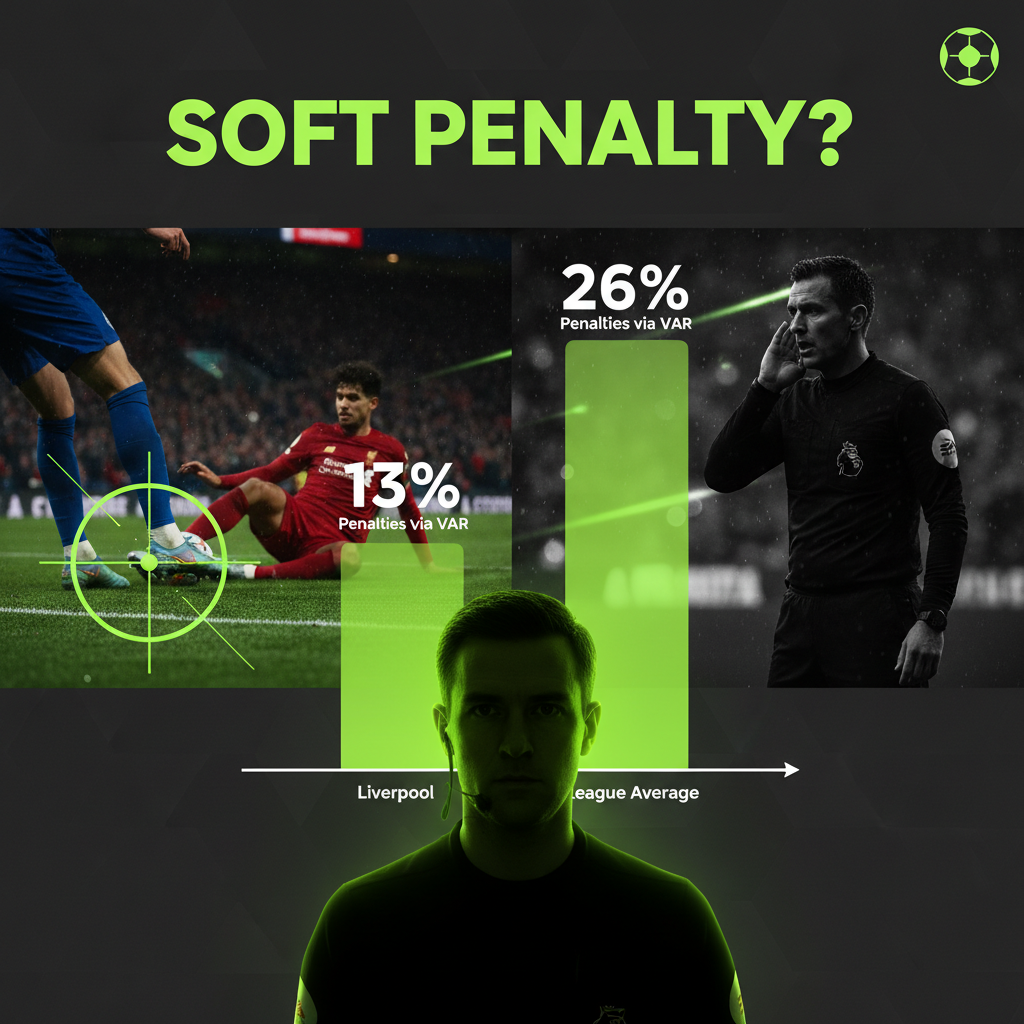
While individual incidents create headlines, the data tells a more nuanced story. A statistical analysis from early 2022 provided a surprising insight. It revealed that Liverpool had not been disproportionately favored by VAR when it came to penalty awards in the Premier League.
Conclusion
So, would Liverpool get a “soft” penalty in the Premier League? The answer is complicated. The Inter Milan incident almost certainly would have faced more rigorous debate under the league’s “contact with consequence” philosophy. However, controversial calls involving the club, like the Jota and Szoboszlai penalties, show that “soft” awards are still very much a part of the domestic game.
Ultimately, the debate is less about one specific club and more about the ongoing quest for consistency in refereeing and VAR application across all competitions. While statistics might temper the narrative, the perception fueled by key moments ensures this will remain a hot topic of discussion in pubs and stadiums from Liverpool to Lagos.