Beyond the Meeting: How to Host a Virtual Q&A That Sparks Real Community Growth
In our increasingly digital world, fostering a genuine sense of connection within a team can be a challenge. How do you build a strong, interactive community when you’re separated by screens?
The answer might be simpler than you think. A well-executed live virtual Q&A with a manager is more than just a meeting; it’s a powerful tool for boosting social interaction, building trust, and growing your internal community.
This is where the principles of community growth and fan storytelling come into play. By creating a space for open dialogue, you empower your team members to share their stories, concerns, and ideas. Consequently, this transforms passive employees into engaged advocates for your company’s culture. This guide will walk you through hosting a dynamic Q&A that fosters transparency and turns a simple virtual event into a cornerstone of your community-building efforts.
Why a Live Q&A is Your Secret Weapon for Community Growth
Strong communities are built on a foundation of connection and belonging. A live Q&A directly addresses this fundamental human need. It breaks down hierarchies and creates a direct line of communication, which is crucial for building trust. When employees feel heard and valued, their connection to the organization deepens significantly.

This process mirrors the benefits of fan storytelling. Every question asked is a mini-story—a narrative of a team member’s experience, curiosity, or concern. By encouraging and addressing these stories, leadership demonstrates transparency and reinforces a shared identity. Therefore, this enhanced engagement builds loyalty and transforms the workplace into a more resilient and collaborative environment. It’s an opportunity to shape your brand’s internal identity into something authentic and memorable.
Step 1: Laying the Groundwork for a Flawless Q&A
Effective preparation is the difference between a static presentation and a dynamic conversation. Before you even think about going live, you need a solid plan.
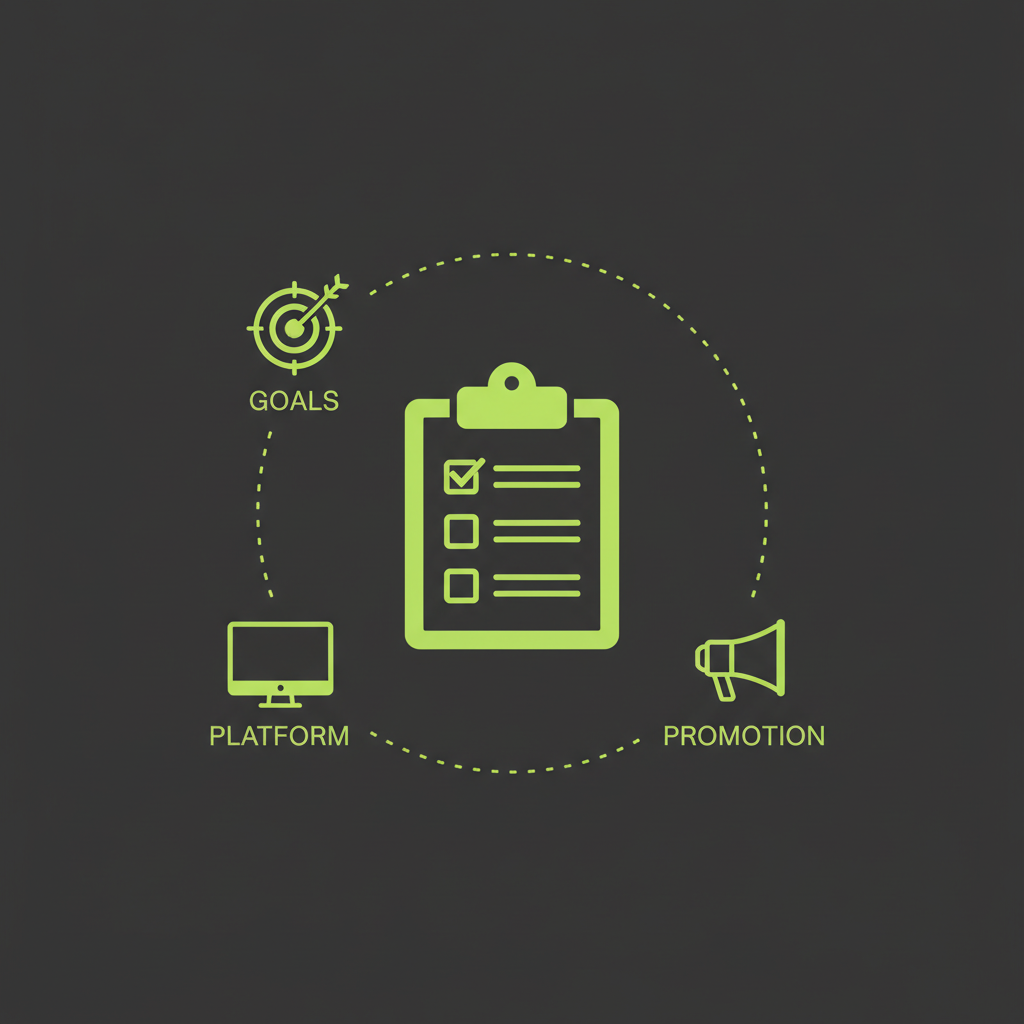
Define Your “Why” and Your Audience
First, clearly outline your objectives. Do you want to address recent changes, gather feedback on a new project, or simply build team morale? Understanding your goal helps shape the entire event. Similarly, think about your audience’s motivations and potential pain points. What topics are most relevant to them right now?
Choose Your Stage: Selecting the Right Platform
Your choice of technology is critical. Standard video conferencing tools are a start, but pairing them with a dedicated interactive platform can elevate the experience. Look for tools with features that drive engagement.
- Live Q&A with Upvoting: This allows the audience to prioritize the most popular questions.
- Anonymous Submission: Encourages honest questions on sensitive topics.
- Polls and Word Clouds: Great for breaking the ice and gathering instant feedback.
Many platforms, such as Slido and Mentimeter, integrate smoothly with tools like Zoom or Microsoft Teams. For more information on using these tools, you can explore best practices from platform experts at Slido.
Build the Hype: Promotion and Communication
Announce the Q&A well in advance. Use multiple channels like email, intranet posts, and team chat apps. Clearly communicate the agenda, topics, and, most importantly, how team members can submit their questions. Frame the event around its value to them, emphasizing that their participation is key to shaping the conversation.
Step 2: Igniting Engagement During the Live Session
With your planning complete, it’s time to focus on creating an interactive and inclusive live experience. The goal is to make everyone feel comfortable contributing.
Break the Ice
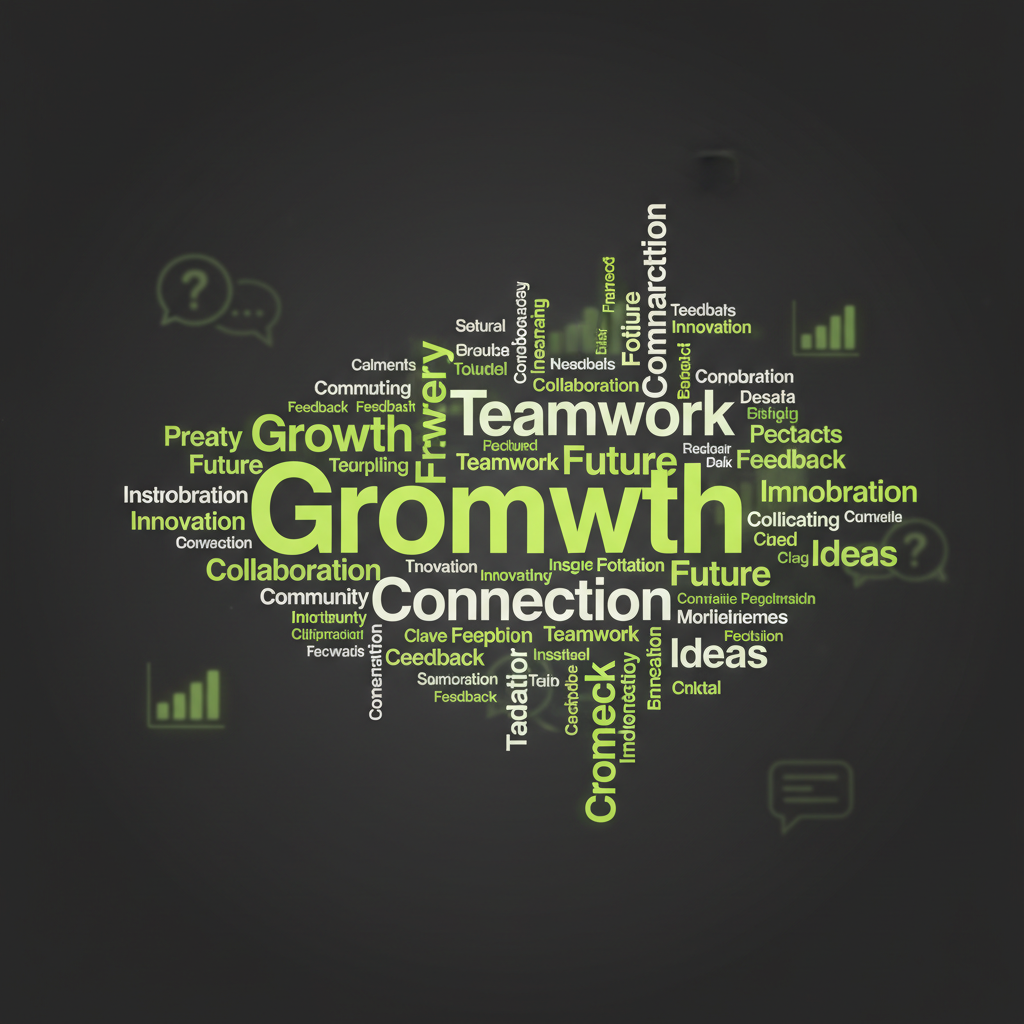
Start the session on a high note. As people join, play some background music to create a relaxed atmosphere. Kick things off with a simple, fun poll or an open-ended question to get everyone participating from the very beginning. For instance, a word cloud asking “What’s one word to describe your week?” can be a great visual icebreaker.
Fuel the Conversation with Interactive Tools
Don’t let the interaction fade after the start. A skilled moderator is essential for keeping the energy up. They can manage the flow of questions, group similar topics, and ensure a variety of voices are heard. The moderator’s role is to actively drive the conversation forward. To learn more about effective facilitation, consider resources from communication experts regarding virtual event moderation.
Continuously encourage attendees to use the Q&A feature, upvote questions they find interesting, and share reactions in the chat. A great technique is the “curiosity harvest”: ask everyone to type a question, but wait for the moderator’s signal to hit send. This floods the chat with ideas and reveals common themes instantly.
Step 3: After the Curtain Falls: Sustaining the Connection
The conversation shouldn’t stop when the Q&A ends. In fact, your follow-up is one of the most important steps for demonstrating that your team’s input is truly valued.
Address Every Voice
It’s likely you won’t get to every question during the live session. Gather all unanswered queries and commit to answering them. You can do this through a follow-up email, a shared document, or even a short video message from the manager. This action proves your commitment to transparency and respect for everyone’s time.
Share the Story and Establish a Feedback Loop
Send a recap to all attendees. This should include a recording of the session, a summary of the key takeaways, and the FAQ document you created from the answered questions. This reinforces the key messages and serves as a valuable resource.
From Q&A to Community: The Bigger Picture
Hosting a live virtual Q&A is much more than a task to check off a list. It is a strategic initiative for community growth. By carefully planning the event, fostering live interaction, and committing to a thorough follow-up, you create a powerful platform for employee stories to be told and heard.
Ultimately, these sessions build the social connection and shared identity that are the bedrock of any thriving community. They show that leadership is listening, which fosters loyalty and engagement far more effectively than any top-down memo. This approach is fundamental to building a strong and connected company culture in the hybrid era.