Functional Strength Programs
for Athletes Over 60
The conversation around fitness for seniors has changed. In 2026, the focus is shifting decisively from a simple “anti-aging” mindset to a powerful “pro-longevity” approach. This isn’t about just staying active; it’s about staying athletic.
For individuals over 60 who still compete, perform, and push their limits, generic senior fitness falls short. The goal now is to enhance “healthspan”—the years you remain healthy, strong, and capable.
Consequently, functional strength training has become the cornerstone of this new paradigm. It’s about building durability and power to support a high-performance lifestyle, whether you’re a runner, cyclist, or competitive fitness athlete. This guide reviews the gold-standard programs specifically designed to maintain and build elite function for athletes over 60.
Why Functional Strength is Non-Negotiable
As we age, our bodies naturally lose high-threshold muscle fibers (fast-twitch) and bone density. This process, known as sarcopenia, can rob athletes of their power and increase injury risk. Functional strength training directly counters this.

Fast, explosive movements are crucial for speed and agility on and off the field.
Strengthening connective tissues and building a resilient core protects joints against decay.
Ultimately, this training is about maintaining physical independence and the capacity to perform at your best for years to come.
The Gold Standard: Top Strength Programs
Choosing the right program is critical. Your training must respect slower recovery times while still providing enough intensity to stimulate growth. Therefore, several world-class coaches and physiologists have developed specialized protocols.
The Barbell Prescription: Strength as Medicine
Developed by Dr. Jonathon Sullivan and Andy Baker, this program treats strength training as a medical intervention. It adapts the renowned Starting Strength method for the older athlete.
- Focus: Core barbell lifts (Squat, Deadlift, Press).
- Best For: Absolute strength and bone density foundation.
- Key Modification: Recovery-prioritized two-day-a-week schedule.
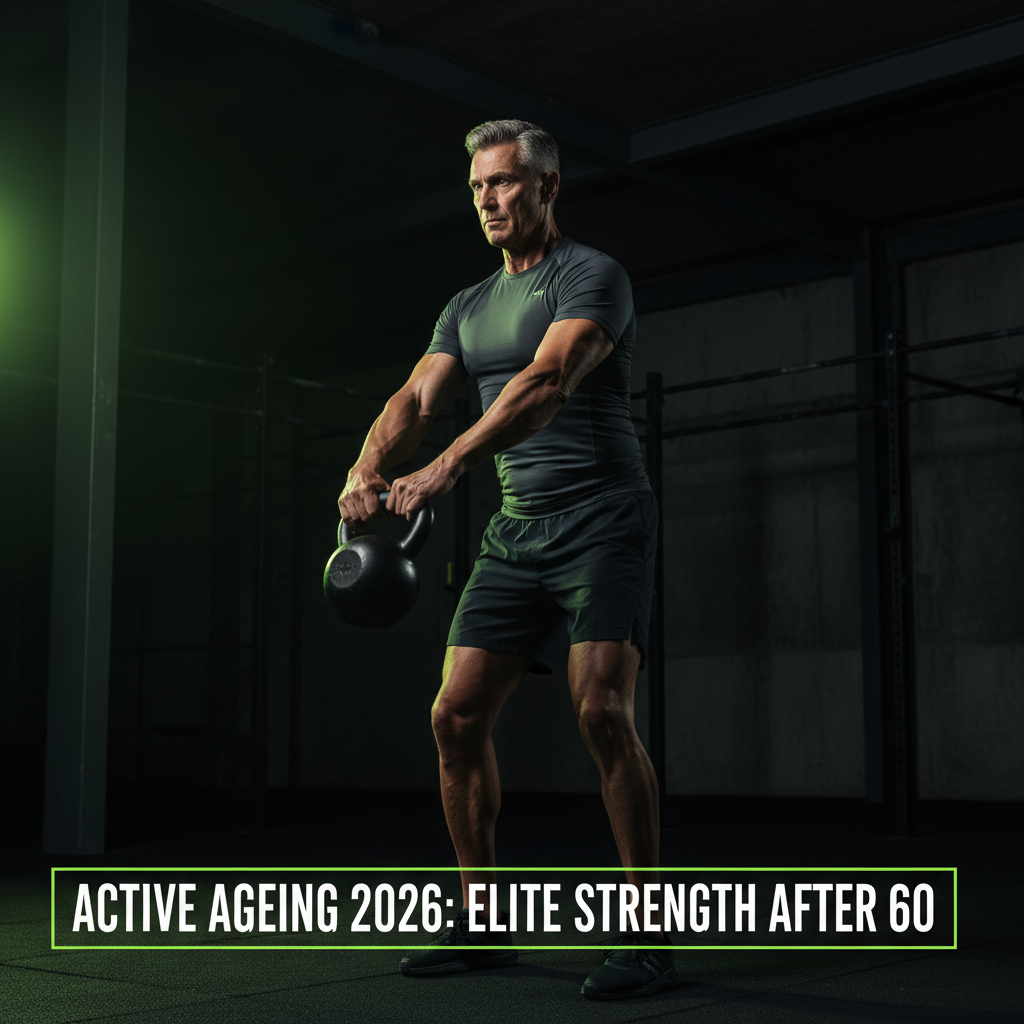 Precision and focus: The foundation of longevity training.
The Bolder Athlete: For the CrossFit Competitor
Jason Grubb, a multiple-time CrossFit Games Masters Champion, created this program for “The Athlete of Aging.” It respects the unique needs of older joints without sacrificing intensity.
- Focus: Blends heavy lifting with gymnastics and metabolic conditioning.
- Best For: Competitive masters or intensity seekers.
Joe Friel’s “Fast After 50”
Joe Friel is a legendary endurance coach, and his philosophy is simple: older athletes lose speed because they stop training for it.
The program is designed to maintain VO2 max and lean muscle mass through a combination of high-intensity intervals and heavy, low-rep strength work.
Foundational Principles for Your Program
Intensity Over Volume
Focus on 3 sets of 5 heavy reps rather than high volume. This stimulates muscle without crushing your CNS.
The “9-Day Week.”
Ditch the Monday-Friday cycle. Lift every third day to allow for the mandatory 72 hours of recuperation.
Unilateral Work
Split squats and single-arm rows identify and correct imbalances that cause common ageing injuries.
Hinges Over Squats
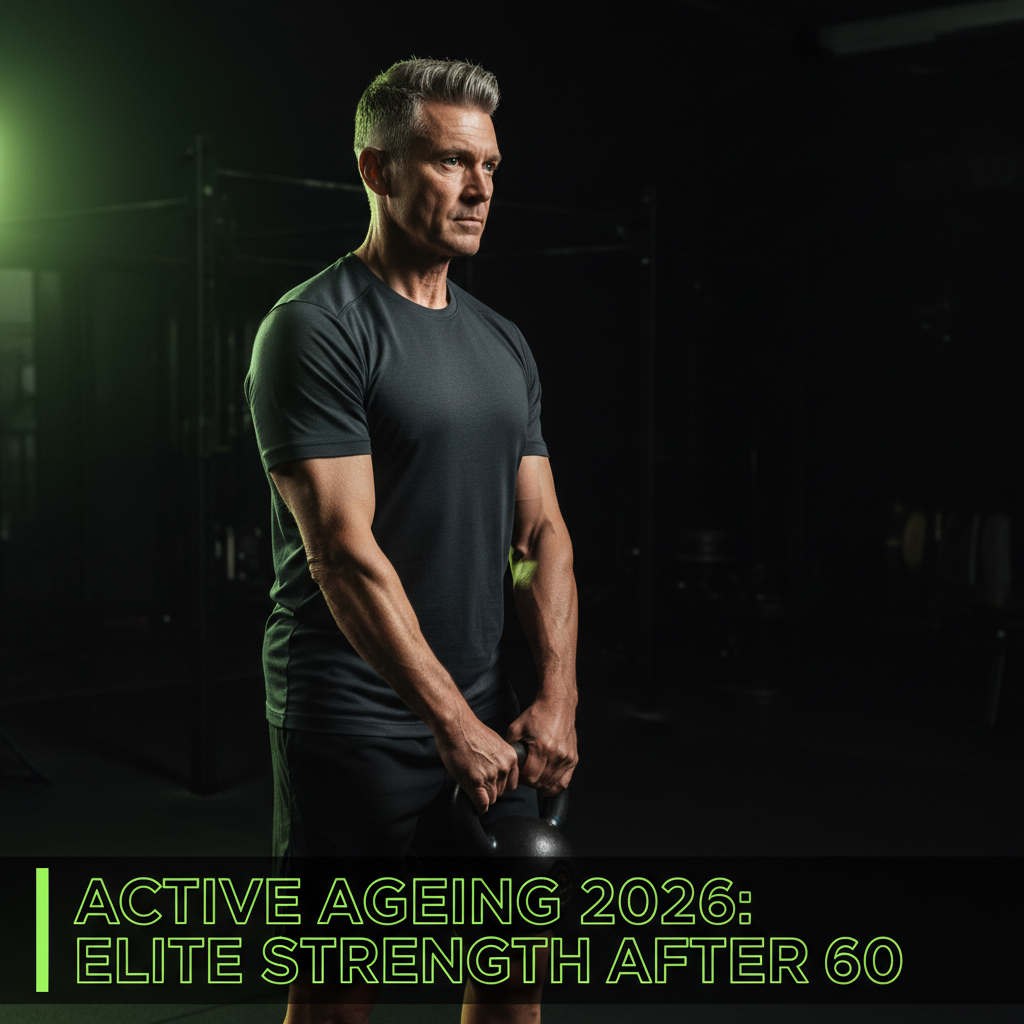
If knees are an issue, prioritize Romanian Deadlifts and Kettlebell Swings for glute/hamstring power.
TrainingPeaks Masters Plans
For athletes who thrive on structure and data, TrainingPeaks offers verified plans from elite coaches. These plans are designed with precise prescriptions for intensity and volume.
Conclusion
Staying athletic after 60 is no longer an exception; it’s an expectation. The modern approach to active ageing is about being smart, intentional, and unapologetically strong. By embracing functional strength training and prioritizing recovery, you can build the power and durability needed to perform at a high level. Ultimately, the goal is to add life to your years and keep you in the game for decades to come.