The New Era of Sport: Sim-Racing as a Legitimate Athletic Endeavor
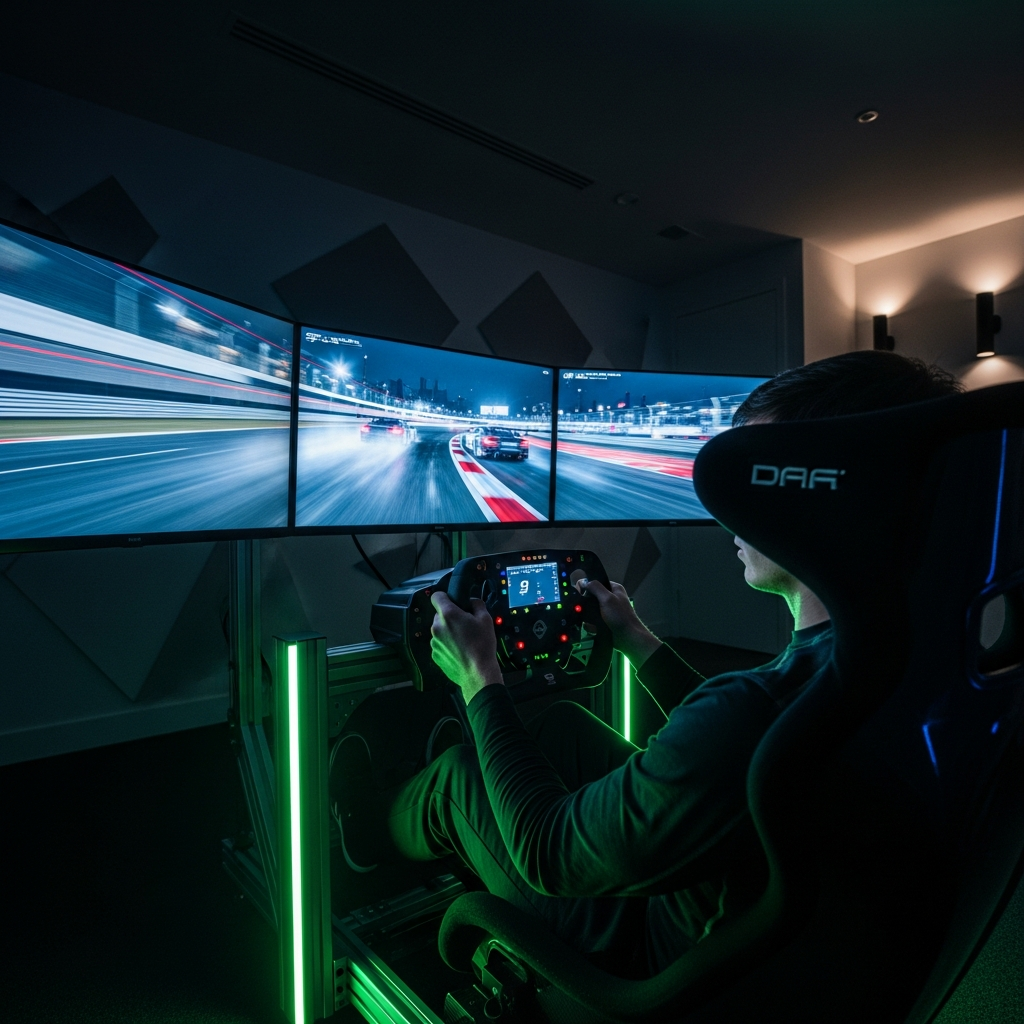
Forget the outdated image of gamers sitting idly in a dark room. A new era of athletic competition is dawning, and it’s blurring the lines between the physical and the digital.
This is “Esports 2.0,” a powerful merger where peak physical fitness becomes the key to unlocking virtual victory. This emerging trend challenges everything we thought we knew about competitive gaming. Consequently, activities once labeled as sedentary are now seen as demanding athletic pursuits. At the forefront of this revolution is sim-racing, a discipline that has firmly established itself as a legitimate athletic tier.
The Dawn of Esports 2.0: More Than Just a Game
The concept of “Esports 2.0” marks a significant evolution in competitive gaming. It moves beyond mere reaction time and strategy, integrating physical conditioning as a cornerstone of performance. This shift is also seen in the rise of “physical fitness gaming,” or exergaming, which uses technology to make physical activity more interactive and engaging.

This new landscape recognizes that a healthy body fuels a sharp mind. Therefore, today’s top esports competitors understand that stamina, core strength, and overall well-being directly impact their focus and endurance during high-stakes digital contests.
Inside the Rig
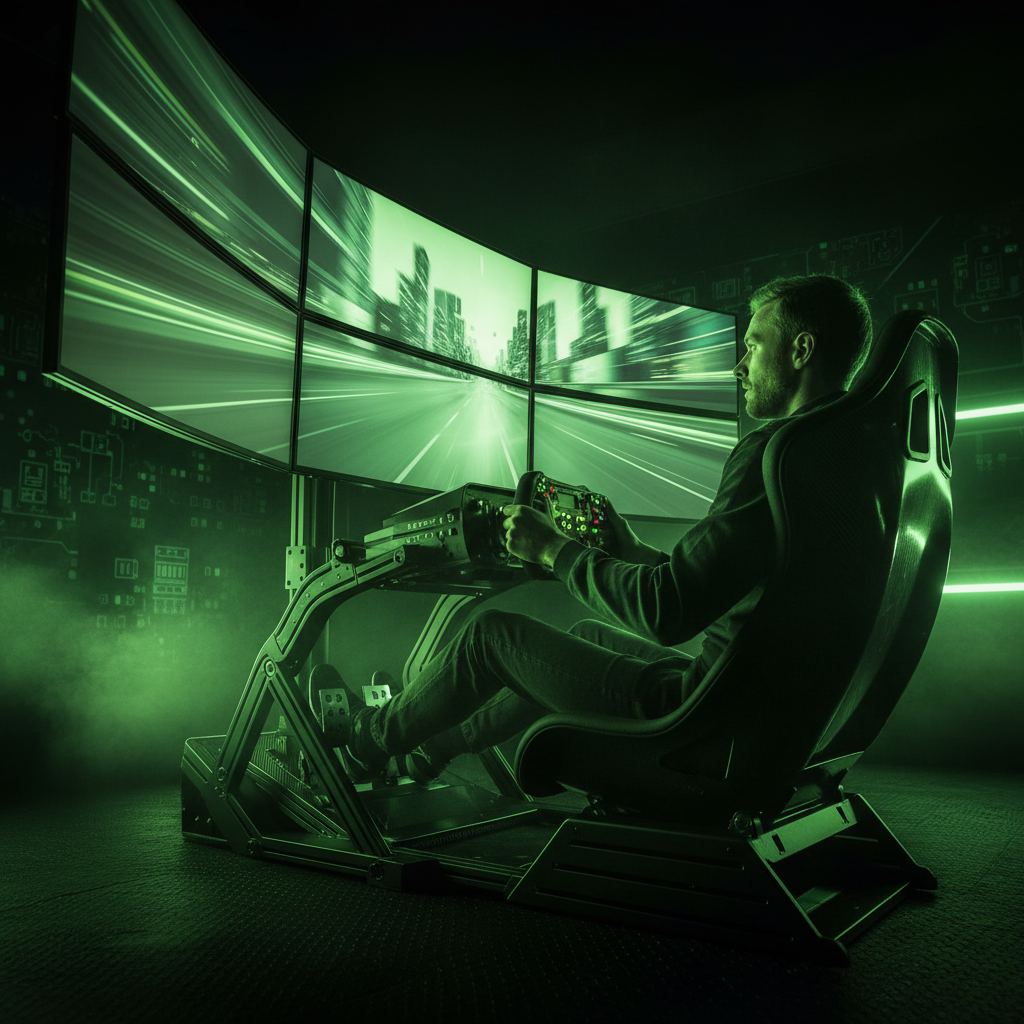
Sim-racing is the ultimate proof of the Esports 2.0 concept. Far from being a simple video game, it is a physically and mentally grueling discipline that pushes competitors to their limits.
The Physical Demands
Elite sim-racing requires substantial physical exertion. Modern equipment provides an incredibly realistic experience that demands strength and stamina. Consider these factors:
- Cardiovascular Strain: During an intense race, a sim racer’s heart rate can reach up to 161 beats per minute. This is comparable to a moderate cardio workout. In fact, an 80-minute session can burn approximately 640 calories.
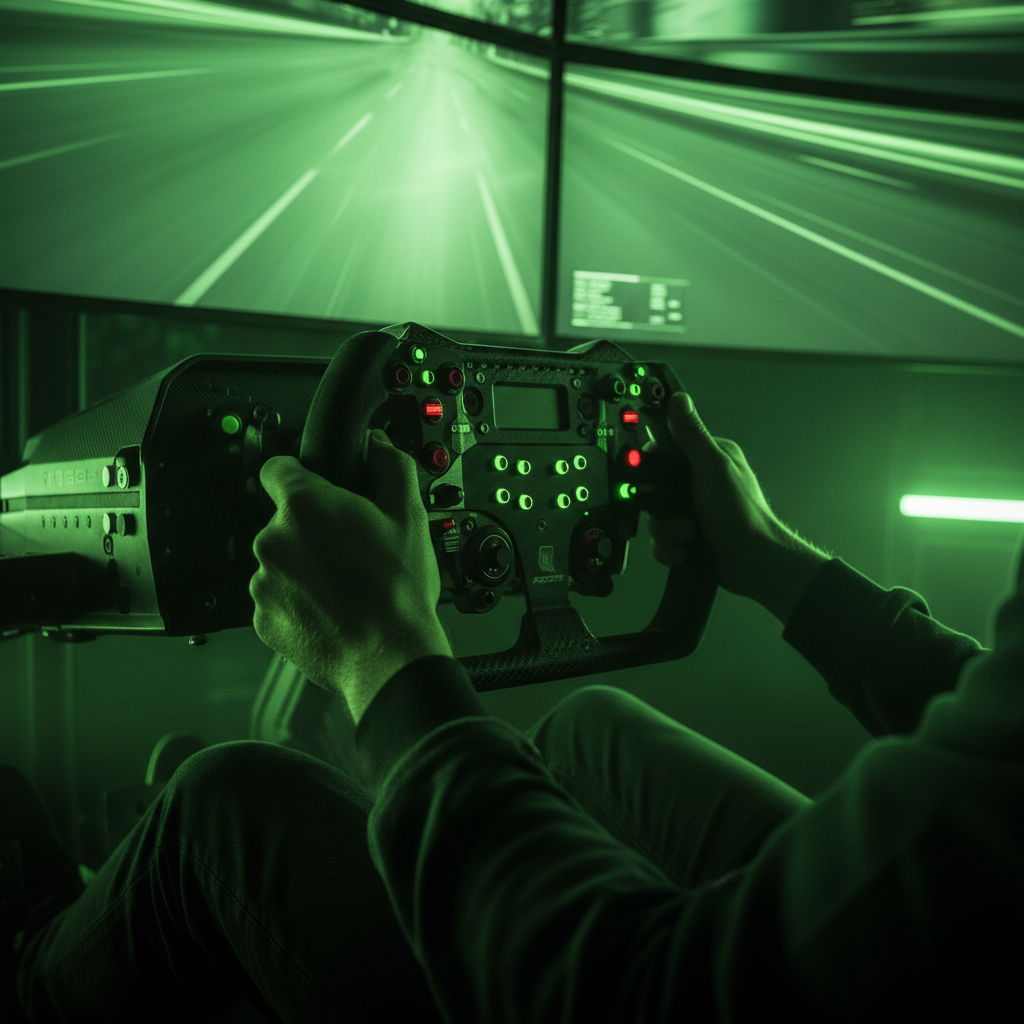
- Muscular Engagement: High-end direct drive steering wheels can generate up to 27 Nm of torque, forcing drivers to use their arm, shoulder, and core muscles to maintain control.
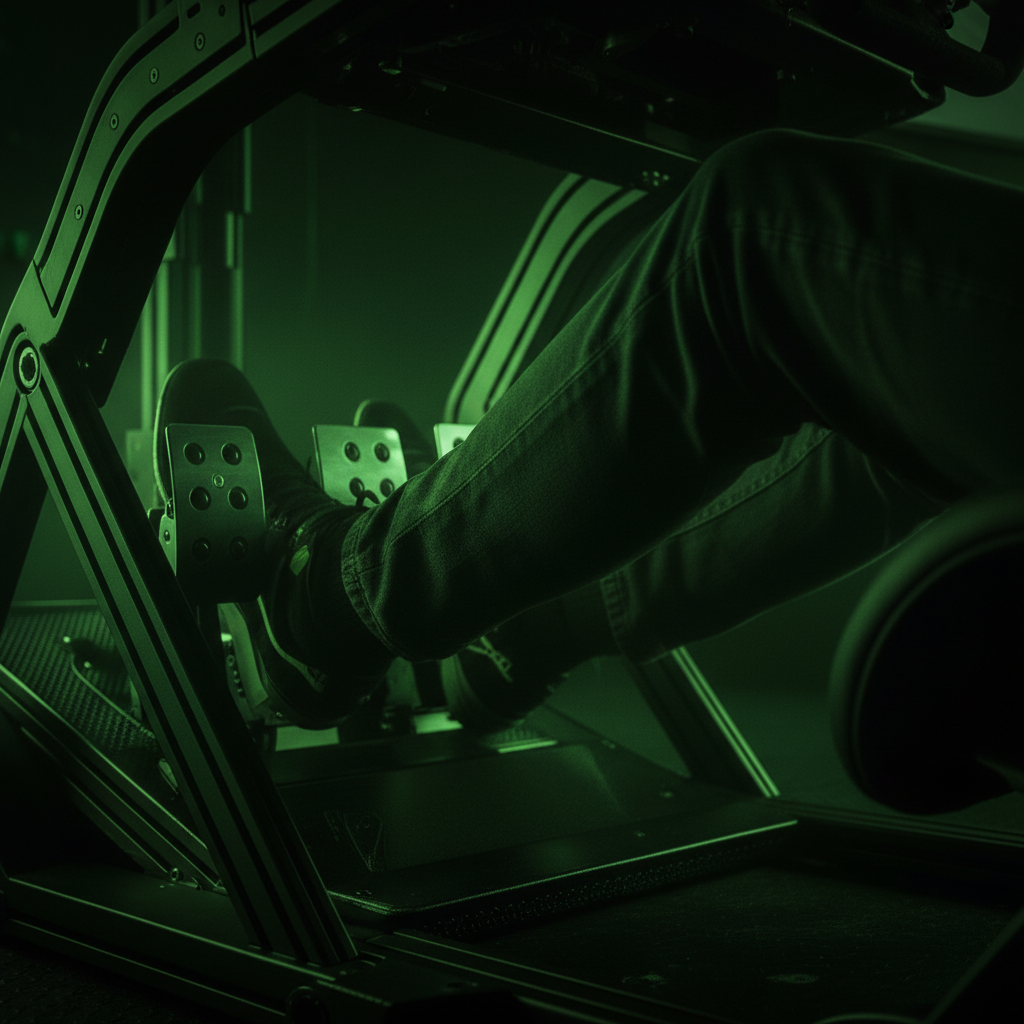
- Leg Strength: Professional-grade pedal sets, especially those with load-cell brakes, require significant leg force to operate. The physical demands are a popular topic in enthusiast circles, as noted by communities like GermanSimRacing.de.
180 KG
The amount of force some professional-grade pedal systems require requires building immense core and lower body strength.
The Mental Marathon
Beyond the physical strain, sim-racing is a battle of cognitive endurance. Drivers must maintain absolute concentration for extended periods, making split-second strategic decisions while battling mental exhaustion. This constant high-stakes focus is incredibly taxing. It requires a level of mental fortitude that is characteristic of any top-tier athlete. Truly, the mental game is just as important as the physical one.
Training Like a Pro: Fitness for the Virtual Track
Recognizing these demands, professional sim racers are now adopting rigorous physical training regimens, similar to their real-world counterparts. As detailed by performance coaches working with elite drivers at EliteFormulaPT.com, a dedicated fitness plan is essential for success. This training isn’t just about general fitness; it’s highly specific.
Pre-Race Routine
Includes bodyweight movements like scapular push-ups, glute bridges, and air squats to activate key muscle groups used in the rig.
Bridge the Gap
Training that mirrors real-world motorsport preparation.
This preparation helps bridge the physiological gap between virtual and real-world racing, a path many young drivers on the motorsport ladder now follow, as reported by InsideF2.com.
A New Frontier: The “Blue Ocean” Opportunity
The convergence of fitness and gaming represents a “Blue Ocean”—a vast, uncontested market ripe with opportunity. Unlike saturated “red oceans” where competitors fight for existing demand, a Blue Ocean Strategy focuses on creating new value and attracting a new audience.
The rise of Esports 2.0 and athletic-tier sim-racing is an emerging trend that businesses can tap into. By creating innovative products and services that merge physical training with digital competition, companies can define a new market, making the old competition irrelevant.
Conclusion
The “New Era” of sports is here, and the line separating the athlete from the gamer has vanished. Sim-racing perfectly illustrates this evolution, proving that digital competition can be as physically and mentally demanding as any traditional sport. As this emerging trend continues to grow, it opens up a Blue Ocean of possibilities for athletes, businesses, and fans alike. Without a doubt, the gamer-athlete is not just a concept for the future; they are a reality of today.