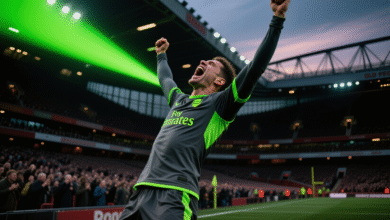
Man City’s Shock Defeat: Are Deeper Problems Emerging for Guardiola?

The Etihad Stunner: A Symptom of a Wider Issue
The 2-0 scoreline, courtesy of goals from Alejandro Grimaldo and Patrik Schick, marked the first-ever meeting between the two clubs. For the City, it was a night where things simply didn’t click. A heavily rotated lineup struggled to match Leverkusen’s intensity and discipline. Consequently, this performance immediately raised questions beyond just a single bad result. It highlighted how disruptions, whether through injury or rotation, can significantly impact the team’s rhythm and cohesion. This wasn’t just a loss; it was a clear warning sign.
Cracks in the Armour: Squad Depth Under Scrutiny
For years, Manchester City’s incredible squad depth has been the envy of world football. However, the 2025/2026 season is testing that strength to its limits. Persistent injuries and a demanding schedule are revealing vulnerabilities.
Injuries and Rotation Woes
The absence of key players has been a recurring theme. The team has particularly struggled to maintain control without the elite defensive midfielder Rodri. Furthermore, significant injuries to influential players like Kevin De Bruyne and John Stones disrupt the team’s core structure. Guardiola’s rotation policy, designed to manage player workload, has sometimes backfired. As seen against Leverkusen, making numerous changes can disrupt flow and lead to disjointed performances. The challenge is ensuring that reserve players can seamlessly step in and maintain the high standards required, which has not always been the case.

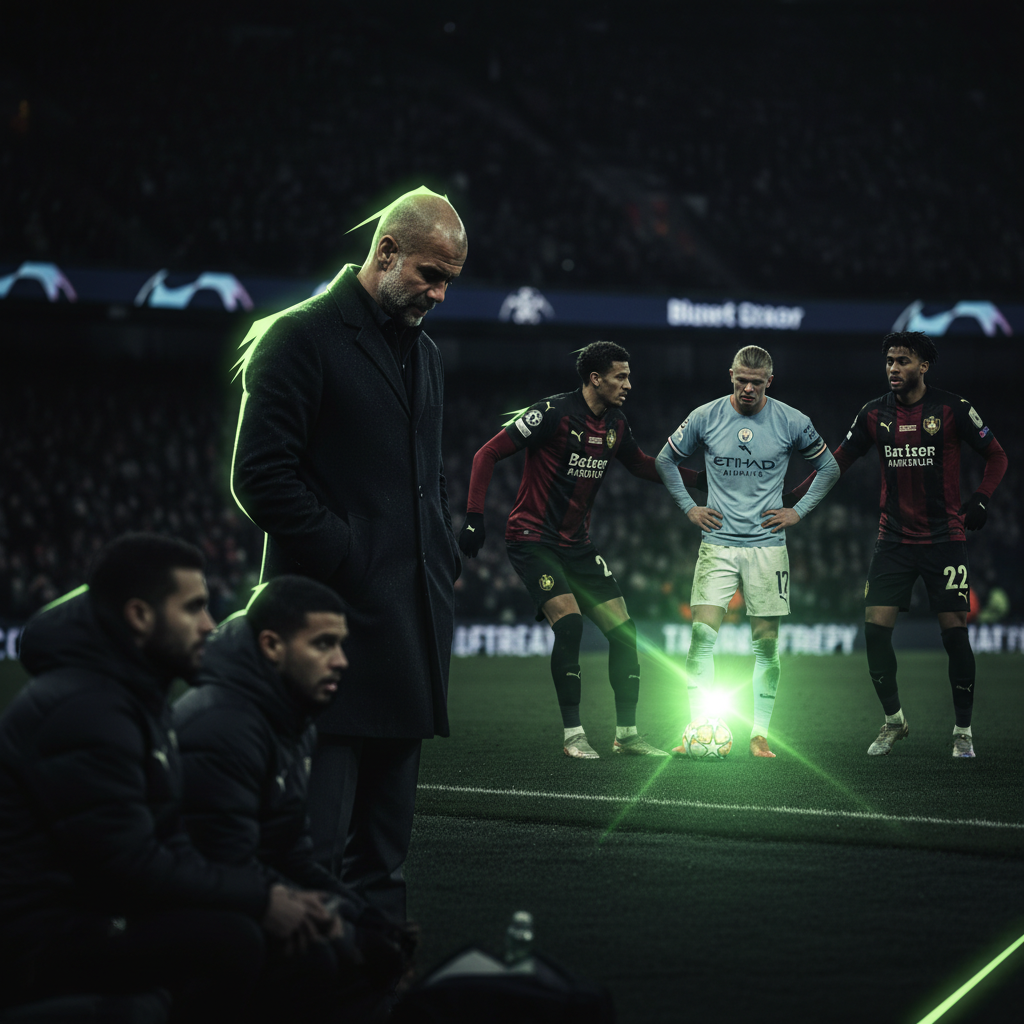 Key concerns include:
- Critical Absences: The team’s performance dips noticeably without linchpins like Rodri.
- Aging Core: At an average age of 27.7 years, the squad is the oldest it has been under Guardiola since his first season.
- Inconsistent Replacements: Some signings and fringe players have struggled to provide the desired impact when called upon.
These factors combined suggest that City’s once-impenetrable depth is facing a significant test.The Haaland Conundrum: A Blessing and a Burden
Erling Haaland is a goal-scoring phenomenon. His record-breaking seasons have elevated City’s attack to new heights. However, his incredible success has also created a clear dependency. The statistics are stark; in the early 2025-26 season, Haaland scored over 65% of the team’s goals across all competitions.
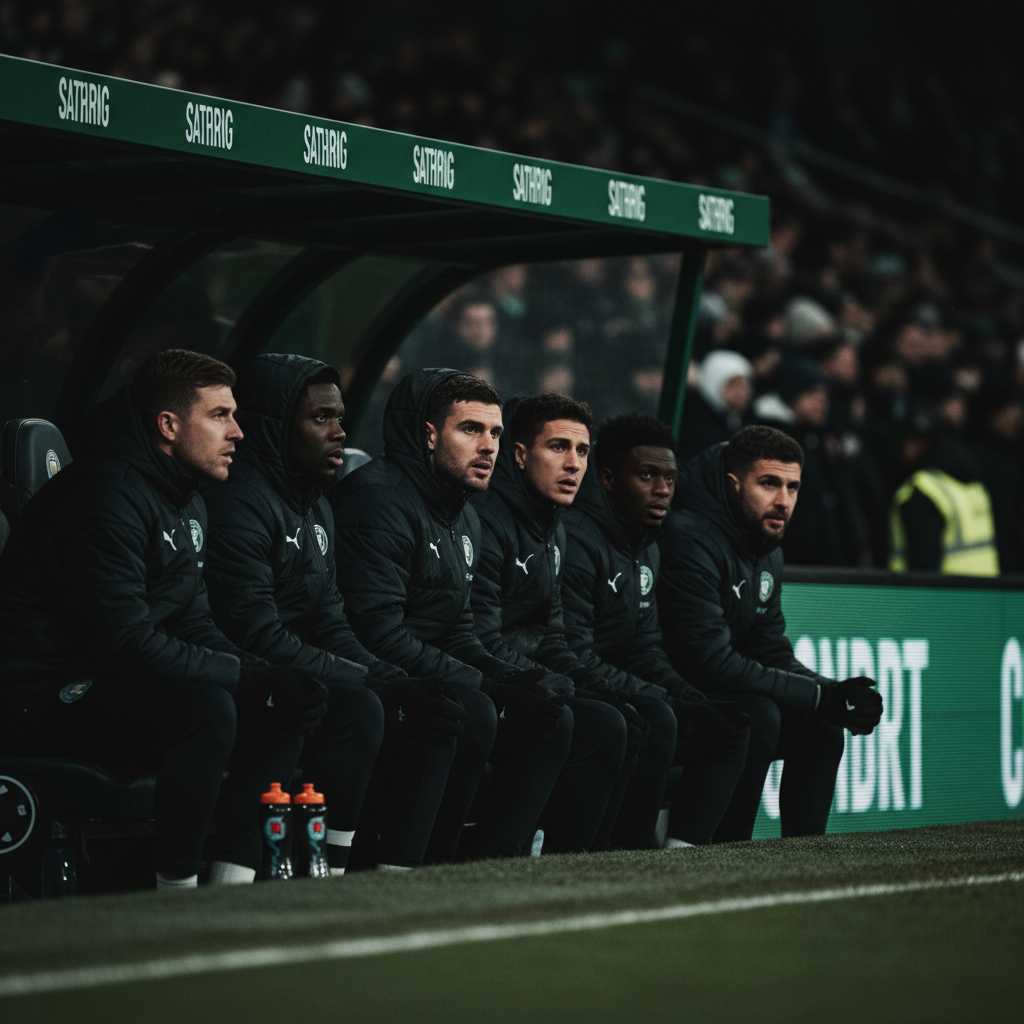 This over-reliance makes City’s attack predictable. If an opponent can successfully mark Haaland out of a game, as Aston Villa did in a previous 1-0 loss, who else consistently steps up? Pep Guardiola himself has acknowledged this, urging his other attacking players to increase their goal contributions. The departure of Julian Alvarez has also left a gap, with fewer senior alternatives to lead the line. While Haaland’s impact is undeniable, a more balanced attack is crucial for long-term, resilient success.
Special Offer:
Conclusion: A Critical Juncture for Guardiola’s City
The 2-0 defeat to Bayer Leverkusen was more than just a loss; it was a powerful illustration of the challenges facing Manchester City. The squad’s depth is being stretched thin by injuries and an aging core, which directly impacts performance when key players are rotated or unavailable. Simultaneously, the team’s attack has become heavily reliant on the singular brilliance of Erling Haaland, creating a vulnerability that savvy opponents can exploit. Moving forward, Guardiola’s primary task will be to find solutions that not only restore squad cohesion but also diversify their attacking threats. The coming months will be a true test of the champions’ resilience and adaptability.