How to Write a Press Release Local Papers Actually Read
Transform your announcements into front-page news by mastering the language of local journalism.
Getting your news into a local paper can feel like shouting into the wind. You’ve crafted a message you believe is important, yet it often goes unnoticed by busy journalists. The key isn’t to shout louder; it’s to speak their language. Local media outlets are constantly searching for stories that resonate with their community, but they need them presented in a clear, professional, and newsworthy format.
“Local media outlets are constantly searching for stories that resonate with their community…”

This guide will break down exactly how to write and format a press release that not only gets read but also gets published. By focusing on local relevance and making a journalist’s job easier, you can turn your announcement into tomorrow’s local news.
Start with a Newsworthy Local Angle
Before you type a single word, ask yourself the most important question: Why would someone outside my organization care about this? Local journalists are gatekeepers for their community, and they are looking for stories with tangible local impact.
Focus on Community Relevance
Your story must connect directly with the local readership. A press release about a new product might be ignored, but a story about a new business creating 20 local jobs will grab attention. Always highlight the local impact.
Angle Starters
- Community Events
- Significant Milestones
- Human Interest Stories
- Local Partnerships
Craft a Powerful Headline and Lead
You have only a few seconds to capture a journalist’s attention. Your headline and first paragraph are the most critical elements of your entire press release.
Write a Clear, Concise Headline
Your headline should be short, active, and instantly understandable. Aim for ten words or fewer. It’s not the place for clever puns or vague teasers; it should state the news clearly. For instance, “Local Tech Firm Wins National Innovation Award” is much better than “A Great Achievement for Our Company.”
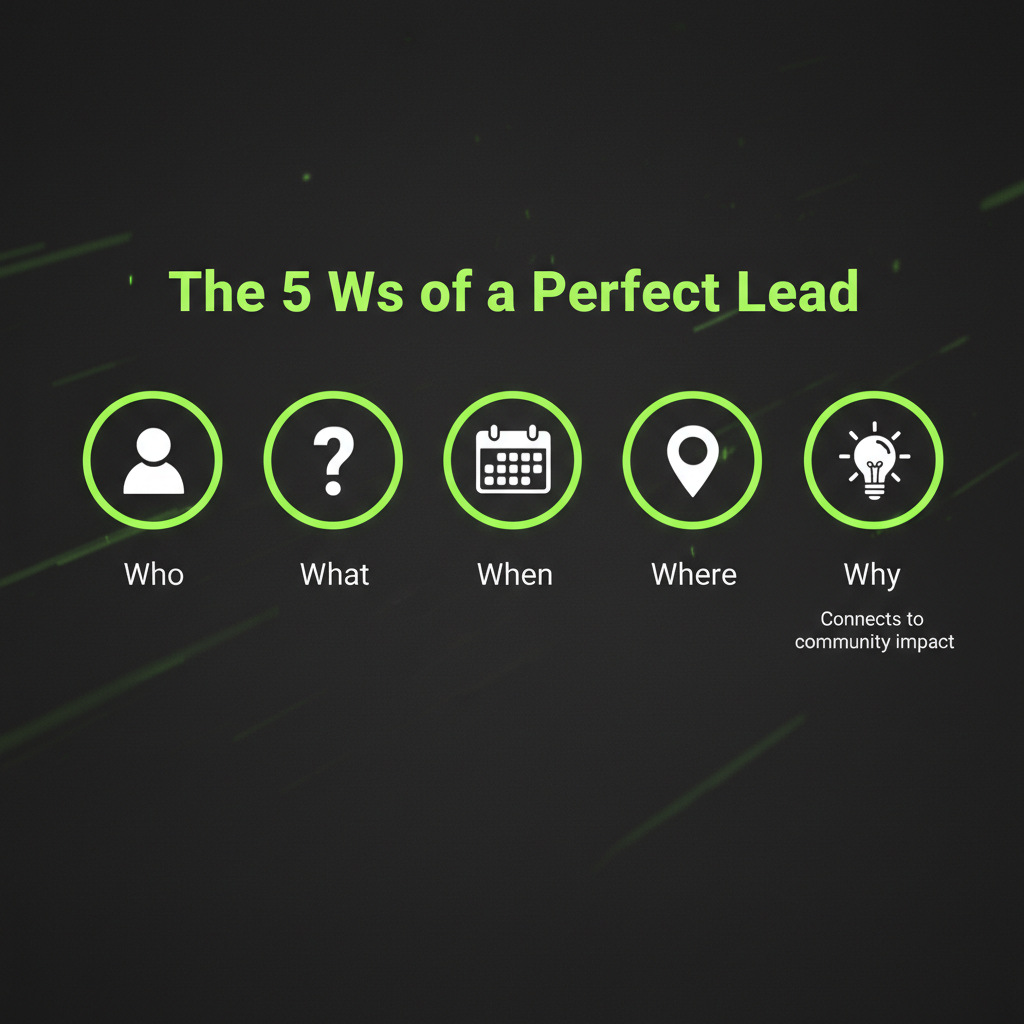
Summarize Everything in the Lead Paragraph
The first paragraph, or the “lead,” must get straight to the point. It should answer the five Ws (and one H) right away: Who, What, When, Where, Why, and How.
Structure the Body for Easy Reading
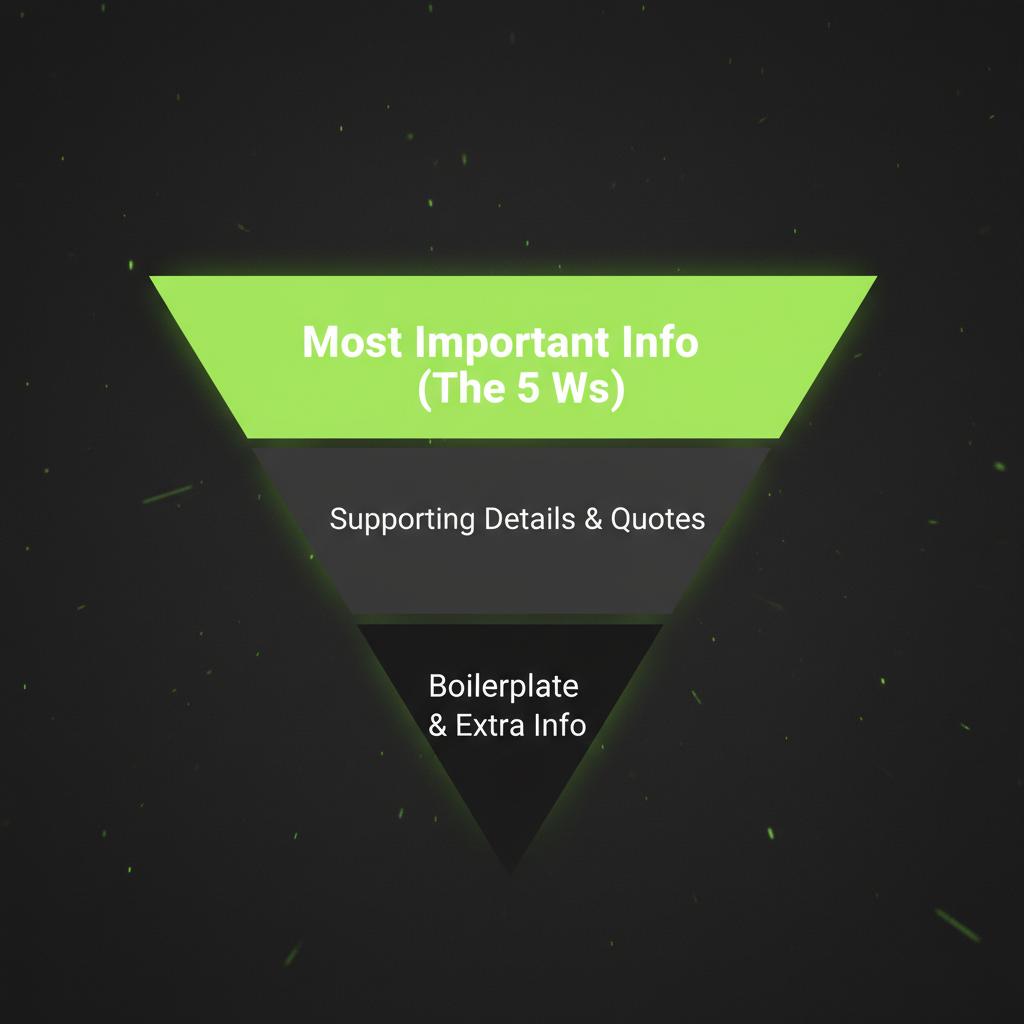
Once you’ve hooked the journalist with a great headline and lead, the body of your press release must deliver the details clearly and concisely. The goal is to make the content easy to scan and use.
Provide Supporting Details and Quotes
The paragraphs following your lead should add context and supporting facts. This is the place to include relevant statistics, background information, and, most importantly, quotes.
“Quotes add a human element and provide perspective. Instead of restating facts, a good quote should offer insight or emotion.”
Enhance Your Story with Multimedia
A press release with images or video is far more likely to get noticed. Visuals can tell a story more powerfully than text alone.
Include high-resolution, relevant multimedia, such as photos of people, events, or products. Instead of attaching large files, provide a link to a cloud folder. This practice is widely recommended by distribution services like PR Newswire.
Perfect Your Pitch and Follow-Up
Writing a great press release is only half the battle. How you send it is just as important. Research specific journalists or editors at the local paper who cover your industry. Personalize your email pitch by addressing them by name.
Time it Right
The best time to send a press release is typically Tuesday through Thursday, between 10 AM and 2 PM. For more on media relations best practices, a resource like The Guardian’s Media Section can provide deeper insights.
Conclusion
Ready to get published?
Getting coverage in a local newspaper is an achievable goal. It requires a shift in perspective—from promoting your company to providing a valuable, relevant story for the community. By focusing on a strong local angle and professional format, your story will stand out.