
The Ultimate Assist: How AI Match Reports Showcase Peak Efficiency
In today’s fast-paced world, businesses everywhere are chasing a crucial goal: digital efficiency. This means using technology to work smarter, not harder. Consequently, companies are trimming waste and boosting productivity. One of the most powerful tools in this quest is workflow automation.
And now, a stunning example is emerging from an unexpected field: sports journalism. Imagine generating a detailed, 500-word match report in just 30 seconds. It sounds like science fiction, but AI writing tools are making it a reality. This revolution perfectly illustrates how automating workflows can lead to incredible gains in digital efficiency.
What Are Digital Efficiency and Workflow Automation?
Before diving into the world of AI sports reporters, it’s important to understand the core concepts driving this change. They are closely linked, yet distinct.
The Goal: Digital Efficiency
Digital efficiency is the big picture. It is all about optimizing your digital tools and processes to get the best results with the least amount of wasted effort.

The Method: Workflow Automation
Workflow automation is a key method to achieve digital efficiency. It uses software to handle repetitive, rule-based tasks automatically.
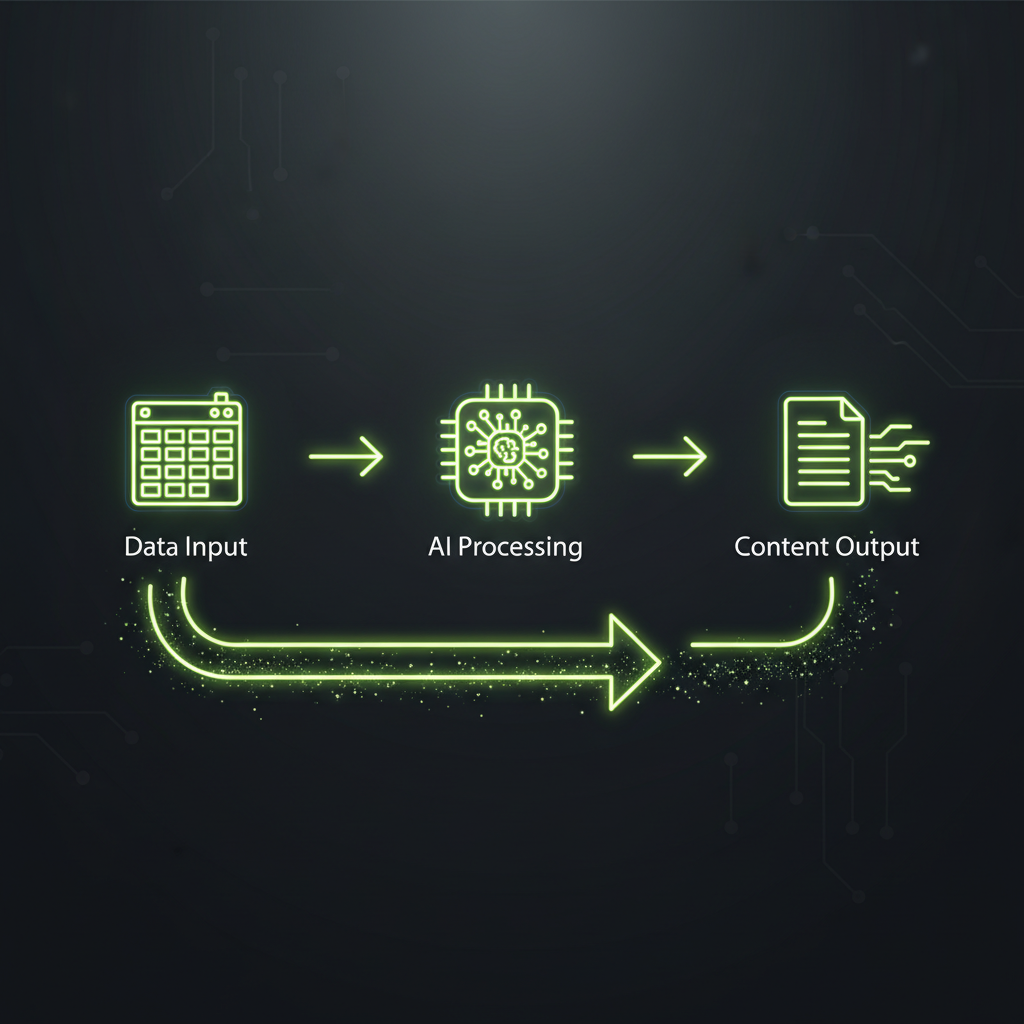
The New Playmaker: Top AI Writing Tools for Sports
The synergy between digital efficiency and automation comes alive in sports reporting. Media outlets can now produce high-quality, data-rich content faster than ever. Several innovative tools are leading this charge.
- SevenLab’s AI-Powered Football Reporter: Developed with Voetbal International, this tool uses OPTA stats and OpenAI technology.
- Automated Insights (by Stats Perform): Turns the extensive Opta sports database into natural language. Check out the official Stats Perform Automated Insights Page.
- SpoLive’s AI Sports Reporter: Built for speed. It can create professional-quality drafts in mere seconds.
- Coded Content (by SportsDataIO): Offers incredible customization, tailoring narratives for home or away fans.
These tools are not just for writing articles. They are connecting complex data points, from player statistics to advanced metrics, and weaving them into compelling stories. This is a clear example of automating a complex workflow, a concept well-explained on the Atlassian Blog on Workflow Management.

500 Words in 30 Seconds: Hype or Reality?
Now for the big question: can you truly generate a full 500-word report in just 30 seconds? The answer is both yes and no.
Platforms like SpoLive claim to produce report drafts in seconds. Similarly, other AI writing tools can generate outlines and initial content at incredible speeds. The technology is certainly capable of producing a large volume of text very quickly by analyzing match data in real-time.
However, the raw output often needs a human touch. A journalist or editor will likely review the text to check facts, refine the tone, and ensure it aligns with their publication’s unique voice. Large Language Models can also struggle with precise word counts. Therefore, while the core content is generated at lightning speed, a polished, publication-ready article may take a few extra minutes of refinement.
The process, as detailed by developers like SevenLab, still represents a monumental time-saving.

Conclusion: A Win for Efficiency
The rise of AI in sports reporting is more than just a novelty. It is a powerful, real-world case study of digital efficiency in action. By automating the complex workflow of data analysis and content creation, organizations can produce timely, engaging, and accurate reports on a massive scale.
“This transformation allows journalists to focus on deeper analysis, exclusive interviews, and the human stories behind the game.”
As technology continues to evolve, we can expect to see this level of workflow automation drive similar efficiency gains across countless other industries, changing how we work for the better.