Elite Recovery: Ice Baths vs. Infrared Saunas
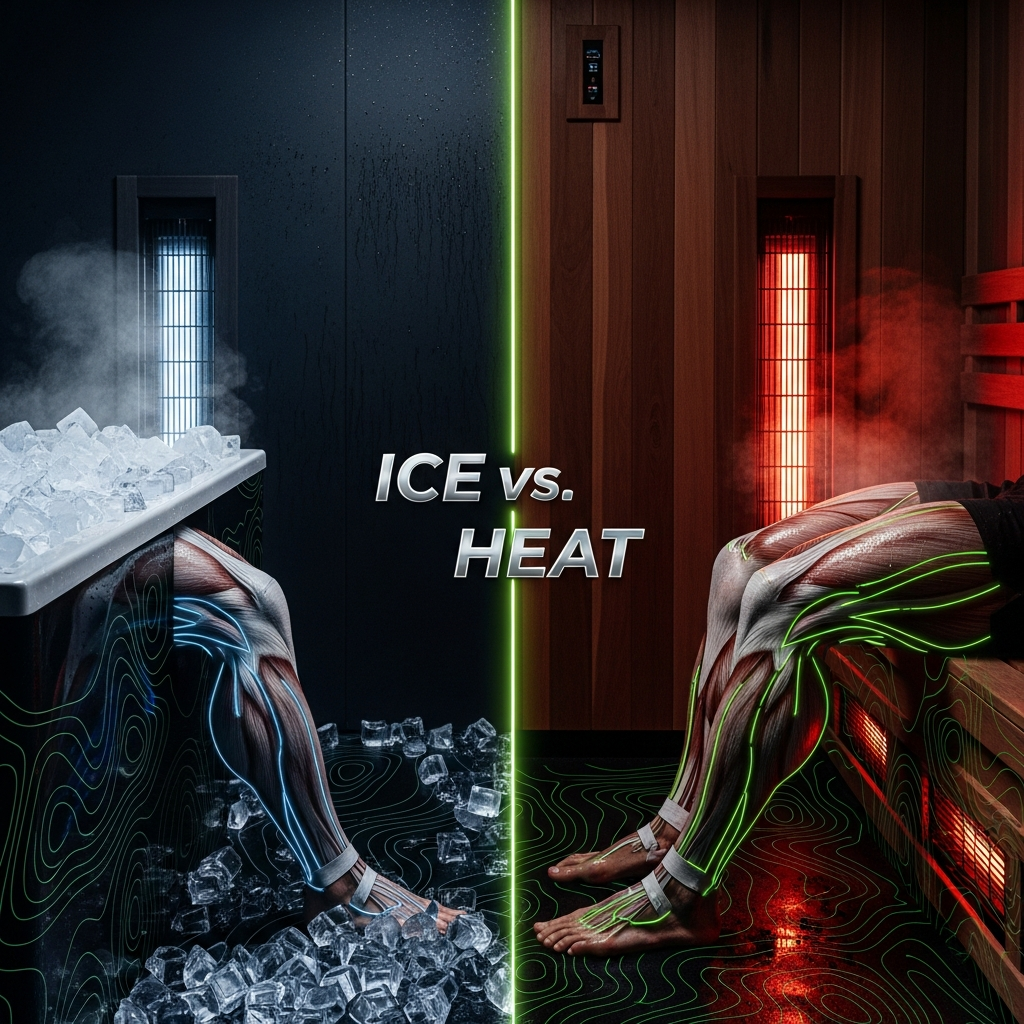
Peak performance isn’t just about the training; it’s about the recovery. For elite athletes across the globe, what happens after the final whistle is just as crucial as the game itself.
Pushing their bodies to the absolute limit requires sophisticated recovery protocols to reduce soreness, prevent injury, and prepare for the next challenge. Consequently, two methods have become staples in high-level sports: the icy shock of a cold-water plunge and the deep, penetrating warmth of an infrared sauna.
But are they just trends, or is there a science to this thermal tug-of-war? This guide breaks down the exact post-match routines of top-tier athletes. We will explore how ice baths and infrared saunas work, what their distinct benefits are, and which one might be right for you.
The Chill Factor: Why Athletes Swear By Ice Baths
Cold water immersion, or the classic ice bath, is a go-to for immediate post-match relief. It involves submerging the body in water cooled to between 10-15°C (50-59°F) for a brisk 5 to 15 minutes. While it may sound intense, the physiological response is precisely what athletes are after.

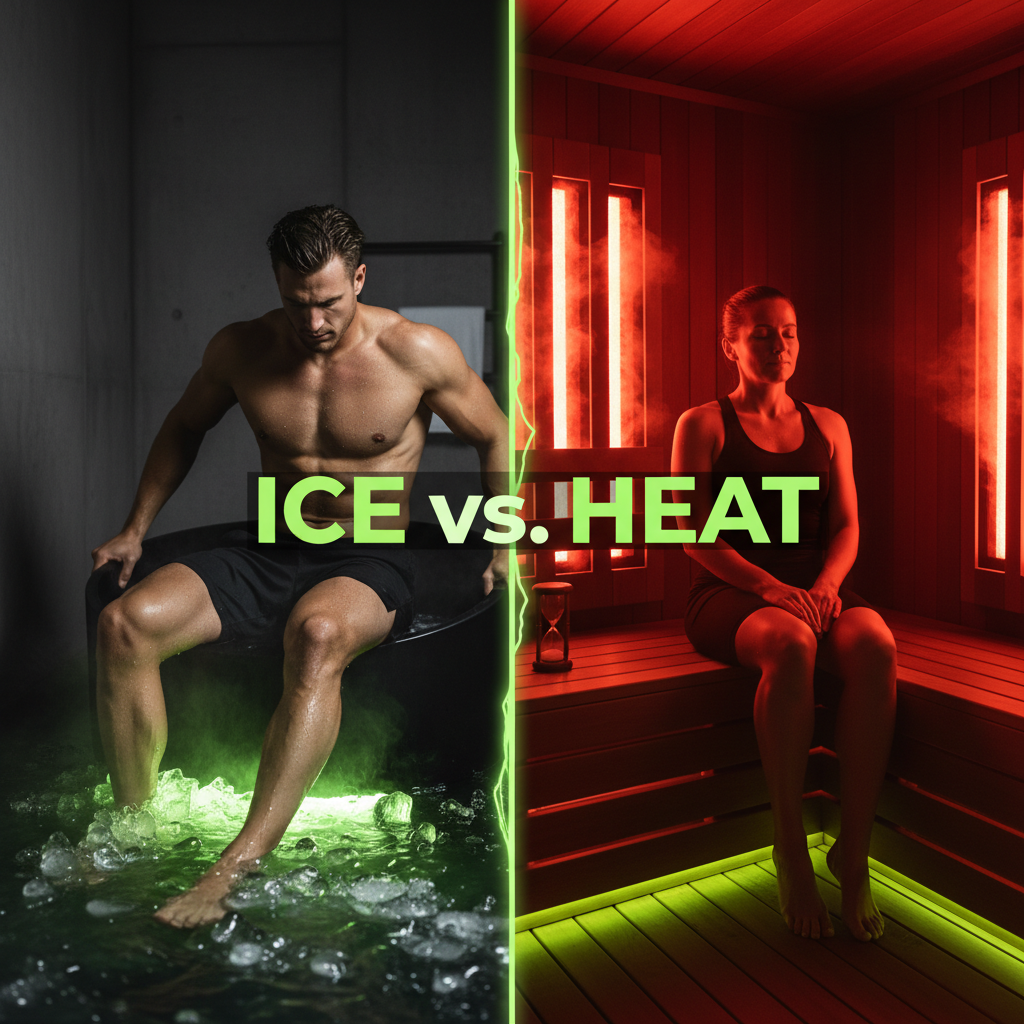
The primary mechanism is vasoconstriction—the narrowing of your blood vessels. This process helps to quickly reduce swelling and inflammation in overworked muscles. Furthermore, it can flush out metabolic waste products, like lactic acid, that build up during intense exercise. Once you step out of the cold, your blood vessels dilate, and nutrient-rich blood rushes back to the tissues, kickstarting the repair process.
Key Benefits of Ice Baths
- Reduces Muscle Soreness: Significantly decreases delayed onset muscle soreness (DOMS), helping you feel better, faster.
- Cuts Down Recovery Time: By tackling inflammation head-on, ice baths can shorten the time needed between tough training sessions.
- Boosts Mental Alertness: The jolt of cold water stimulates the nervous system, which can increase focus and even improve your mood through the release of endorphins.
- Aids Injury Prevention: Regular use may help maintain joint and muscle health, potentially reducing the risk of strain over the long term.
Pro Tip: Strategic Timing
While incredibly popular, some studies suggest that taking an ice bath immediately after every single workout might slightly inhibit long-term muscle growth. Therefore, many athletes use them strategically after particularly demanding competitions. For more information on timing your recovery, check out this guide from Runner’s World on Post-Run Recovery.
Turning Up the Heat: The Power of Infrared Saunas
On the opposite end of the spectrum is the infrared sauna. Unlike a traditional sauna that heats the air around you, infrared lamps warm your body directly. This allows heat to penetrate up to 1.5 inches beneath the skin’s surface, reaching deep into muscles and tissues for a powerful therapeutic effect.
This deep heat boosts circulation, delivering more oxygen and nutrients to your muscles. In turn, this helps relax tight spots, reduce tension, and alleviate pain. Studies on team-sport athletes have shown that regular sauna use can improve perceived recovery and even enhance performance metrics like jump height and sprint speed. You can learn more about general recovery tools on Nike’s official blog on athlete wellness.
Key Benefits of Infrared Saunas
- Accelerates Muscle Repair: Increased blood flow helps speed up the natural healing process of micro-tears in the muscles.
- Reduces Inflammation: The heat can activate the body’s anti-inflammatory processes, calming irritation and soreness.
- Promotes Deep Relaxation: Infrared sauna sessions lower cortisol (the stress hormone), helping both body and mind to unwind.
- Aids in Detoxification: The intense sweat produced helps the body purge toxins and impurities naturally.
Hot vs. Cold: The Best of Worlds?
So, which method is superior? Currently, no scientific study has definitively crowned a winner. Both ice baths and infrared saunas offer unique and powerful benefits. The choice often comes down to the athlete’s specific needs, the type of sport, and personal preference.
Ice Baths
Best for acute inflammation, immediate post-game soreness, and mental toughness training.
Infrared Saunas
Best for deep tissue relaxation, long-term injury management, and psychological de-stressing.
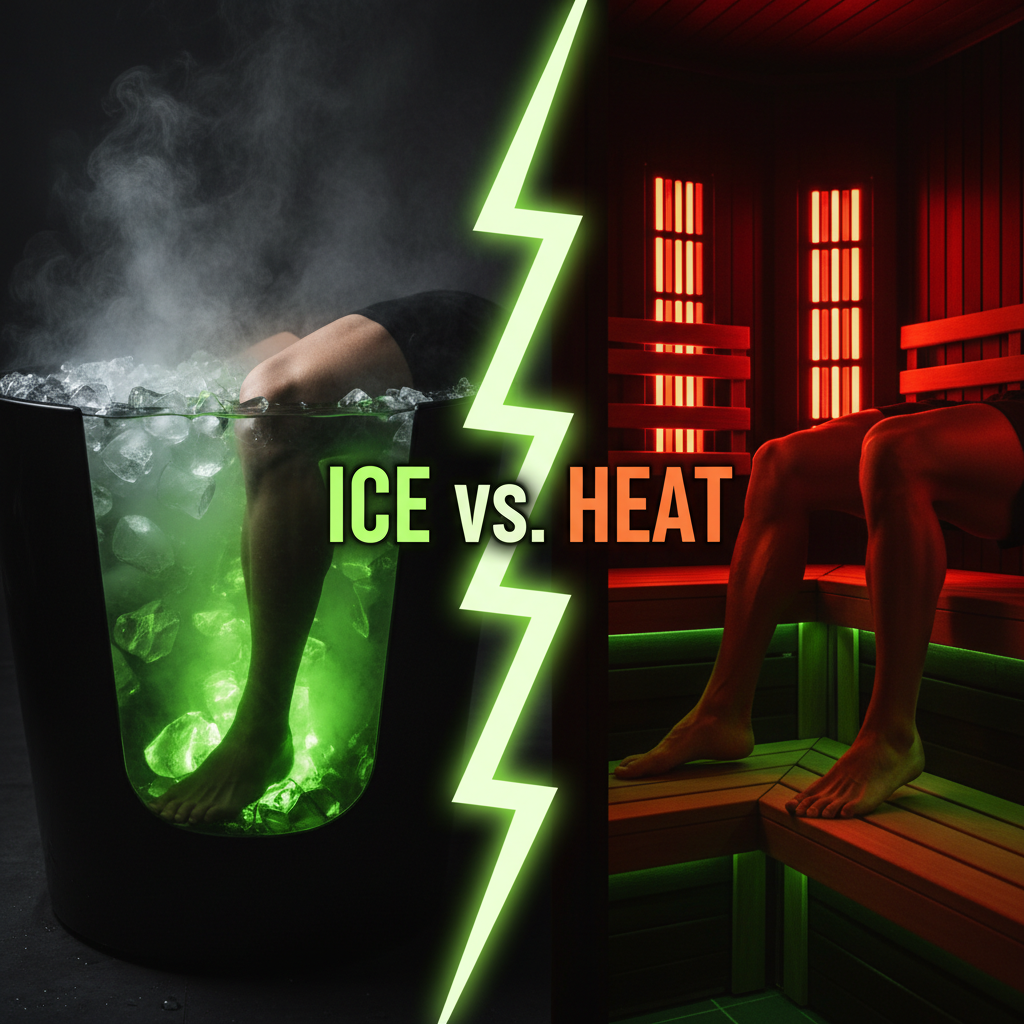
For this reason, many elite athletes don’t choose one over the other. Instead, they combine them in a technique called contrast therapy. This involves alternating between hot and cold exposures—for example, a 15-minute sauna session followed by a 5-minute ice bath. This method creates a “pump” effect, rapidly expanding and contracting blood vessels.
This dynamic process is believed to dramatically boost circulation, flush out inflammation, and help the nervous system become more resilient to stress. If you’re considering this, a resource like a reputable sports medicine blog on contrast therapy can offer guidance.
Conclusion: Craft Your Own Elite Recovery
Ultimately, the recovery routines of the world’s best athletes show us that there is no single magic bullet. Both ice baths and infrared saunas are potent tools that work in different ways to achieve the same goal: faster, more effective recovery.
Whether you prefer the bracing cold or the soothing heat, incorporating these methods can elevate your own recovery game. Listen to your body, experiment to see what feels best, and remember that recovering like a pro is the key to performing like one.