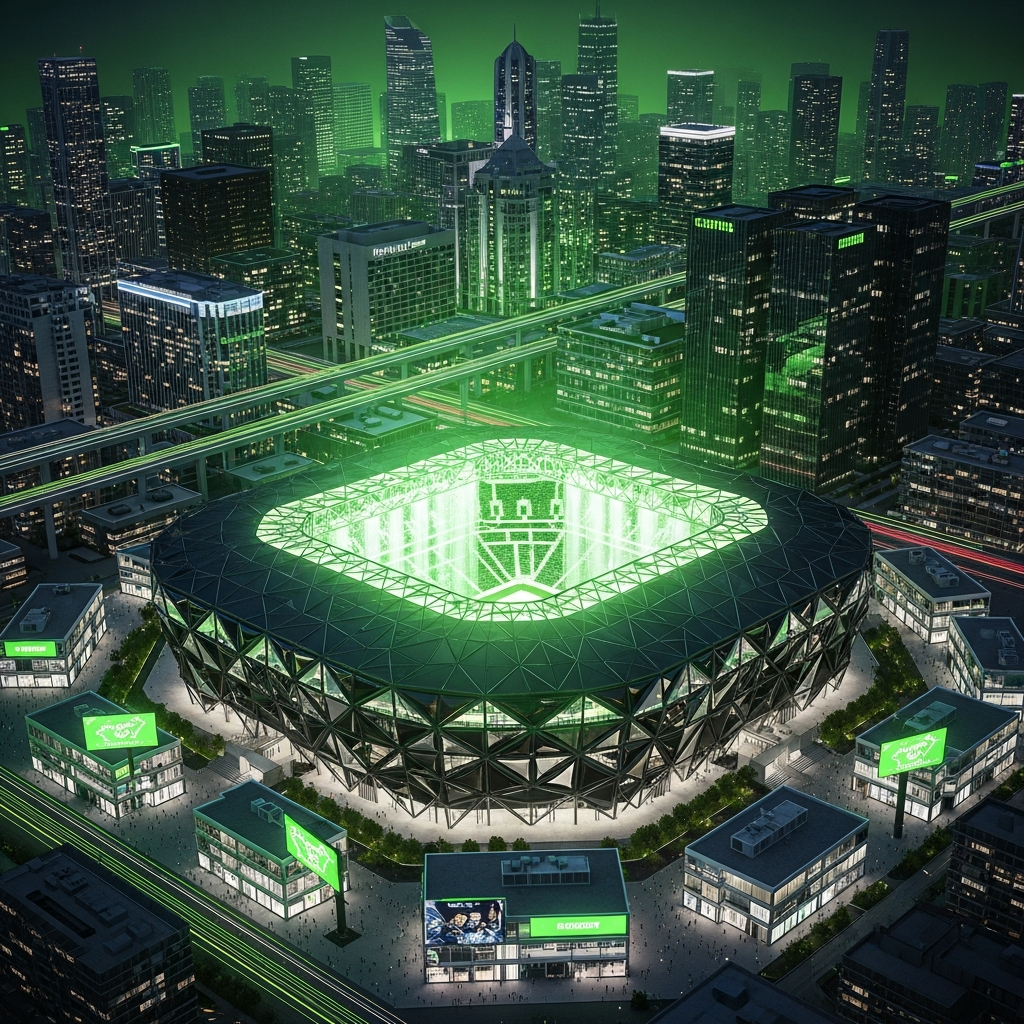
Beyond the Game: Why Stadiums in 2026 are Becoming 365-Day Micro-Cities
The Rise of the Athlete-Owner
A new class of investor is changing the game from the inside out: the athlete-owner. Stars like LeBron James, Kevin Durant, and Patrick Mahomes are moving beyond endorsements. They are now becoming stakeholders, purchasing ownership stakes in sports franchises across the globe.
For example, athletes are investing in everything from women’s soccer leagues to emerging sports like pickleball.
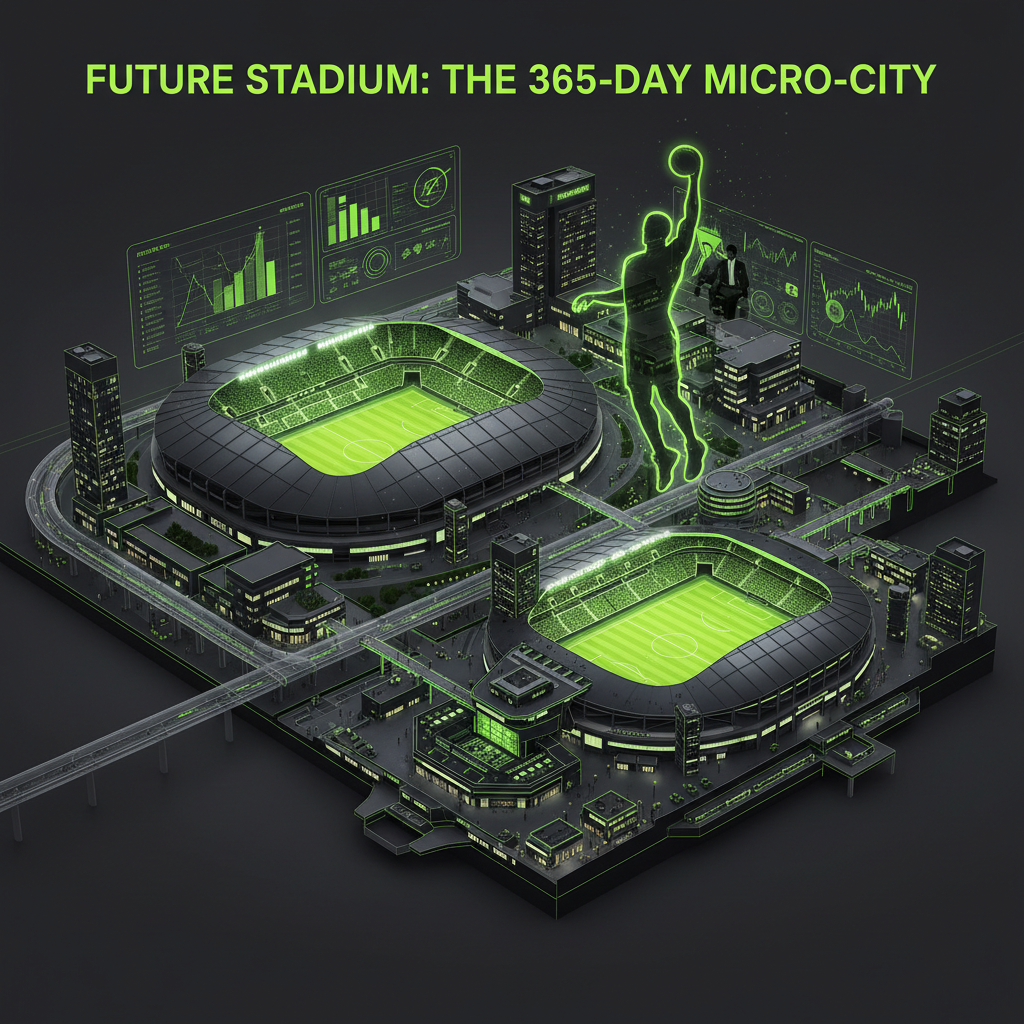

This trend does more than just diversify an athlete’s portfolio. It brings a player’s perspective into the boardroom. Consequently, this shift often introduces fresh ideas focused on community, innovation, and inclusivity.
Beyond the Final Whistle: Building 365-Day Venues
The old model of a stadium sitting empty between matches is a financial liability. The significant maintenance costs of these single-use venues created a huge drain on resources. Therefore, the new philosophy is to make every square foot count, every single day.
Dynamic and Diverse Events
-
Dynamic Ticket Pricing: Costs adjust based on demand, opponent, and occupancy.
-
Varied Event Hosting: Concerts, exhibitions, and booming esports tournaments.
The Power of Flexible Design
Modern stadiums feature adaptable seating and modular walls that allow a space to transform from a sports arena to a concert hall in record time, dramatically broadening revenue potential.
Welcome to the Micro-City
The most ambitious evolution is the concept of the stadium as a “micro-city” or a “sports-anchored district.” This involves developing a complete ecosystem around the main venue.
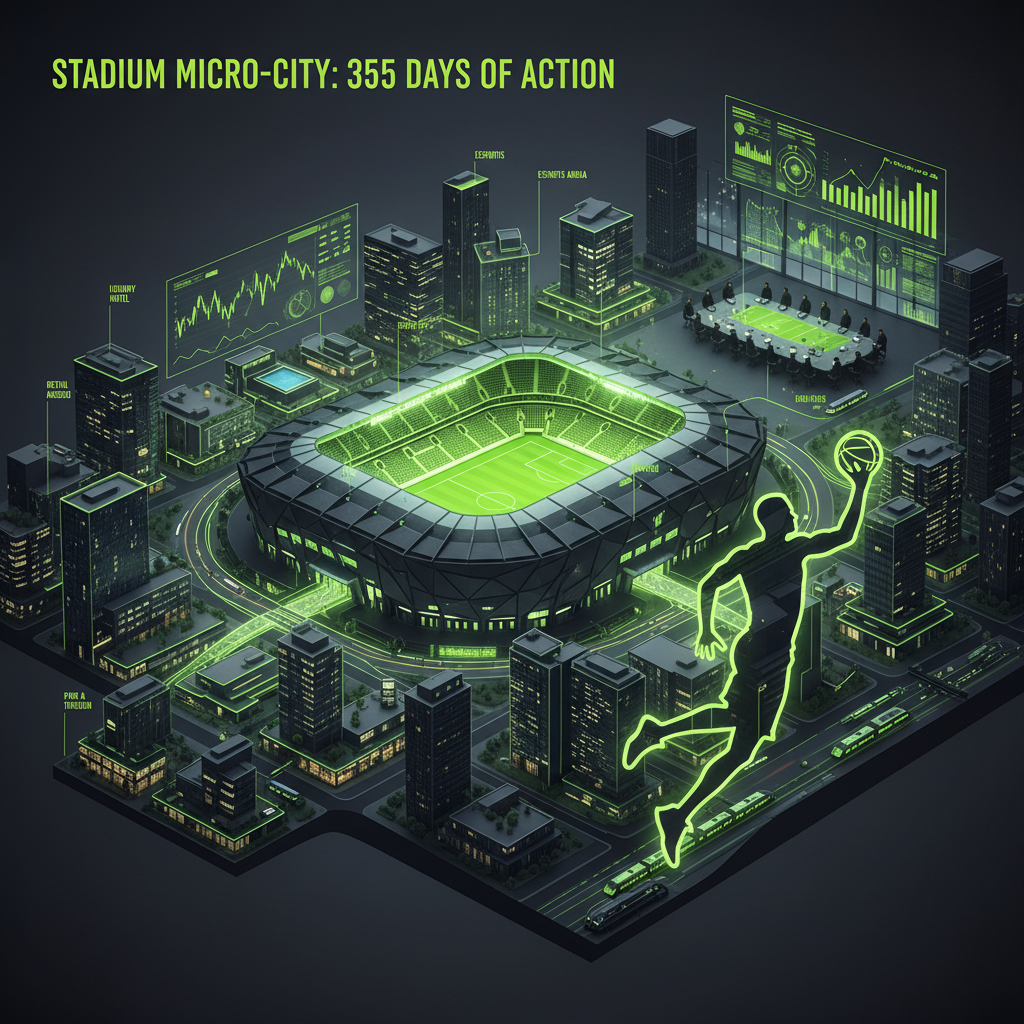
Manchester City’s expansion of the Etihad Stadium and Real Madrid’s revamped Santiago Bernabéu are perfect examples. View the Bernabéu Redevelopment Details. These developments integrate housing, retail, and transit, turning stadiums into true community centerpieces.
The Premium Experience
Layered VIP
From exclusive club access to hidden speakeasies in converted storage rooms.
B2B Partnerships
Immersive brand storytelling is moving far beyond traditional billboard advertising.
Data Analytics
Using fan behavior to customize offerings and optimize stadium architecture.
A Glimpse into 2026: The Future is Here
The FIFA World Cup 2026 in North America is accelerating this trend. Cities are investing heavily in advanced commercial infrastructure to support the tournament. This global event underscores the new reality: modern sports venues must be flexible, monetizable, and meaningful.
Conclusion
The quiet, empty stadium is officially a relic of the past. The future of sports business is dynamic, integrated, and operates around the clock. By embracing the roles of athlete-owners, transforming venues into micro-cities, and delivering premium experiences, the sports industry is building a more sustainable and exciting future. The stadiums of 2026 and beyond are not just places to watch a game; they are the heartbeats of their communities, pumping with life 365 days a year.