Beyond the Game: Navigating Mental Health After a Pro Career
A Deep Dive into the Post-Sport Transition
The final whistle blows, the crowd roars one last time, and an athlete’s career comes to a close. For fans, it’s the end of an era. For the athlete, it’s the start of a profound and often challenging transition.
Leaving a life of intense structure, public identity, and peak physical performance can create a significant void. In fact, research shows that nearly half of all athletes (46.4%) face mental health challenges after retiring. This transition isn’t just about finding a new job; it’s about redefining one’s entire identity. Fortunately, a new wave of modern recovery programs and support systems is rising to help athletes navigate this difficult next chapter.

The Final Whistle: Understanding the Mental Toll of Retirement
When a career in sports ends, athletes face more than just a change in routine. They often confront a deep loss of identity that can lead to serious mental health issues. The numbers are telling, with studies showing that 27.2% of retired athletes experience depression and 26% suffer from anxiety.
Losing More Than Just the Game
For years, life has been dictated by training schedules, coaching staff, and competitive goals. Suddenly, that structure disappears. This abrupt shift leaves many feeling lost and without purpose. The struggle is often worse for those forced into retirement by injury compared to those who planned their exit.

Finding strength in community: Support groups are vital for the transition.
They must grapple with a future they didn’t choose while processing the end of a lifelong dream. This new reality requires them to build a new sense of self-worth, completely separate from their athletic achievements.
Building a New Support System: How Modern Programs Help Athletes Thrive
Recognizing this critical need, a global network of organizations is stepping up to provide comprehensive support. The focus has shifted from a reactive approach to proactive, holistic preparation, helping athletes build a life beyond their sport long before they retire.
Holistic and Proactive Support
The most effective programs help athletes balance their careers with personal development from the very beginning. This “Performance Lifestyle” support encourages them to explore other interests and skills, building a foundation for a smoother transition.
USOPC Resources
Offers career coaching and financial planning for up to a decade post-competition.
Athlete Transition Services
Hands-on workshops focused on personal growth and professional planning.
- ✦EDGE for Athletes: Delivers mentoring, mental wellness coaching, and community connections through its specialized transition programs. It helps athletes translate their on-field skills into off-field success.
- ✦Game Plan (Canada): This holistic network offers Canadian athletes confidential mental health services, crisis support, and educational resources.
- ✦
Athletes for Hope: Working to reduce the stigma around mental health in sports through powerful advocacy and a comprehensive resource hub. Learn about Wellbeing Initiatives.
Navigating the Digital Arena: Wellness and Social Sharing
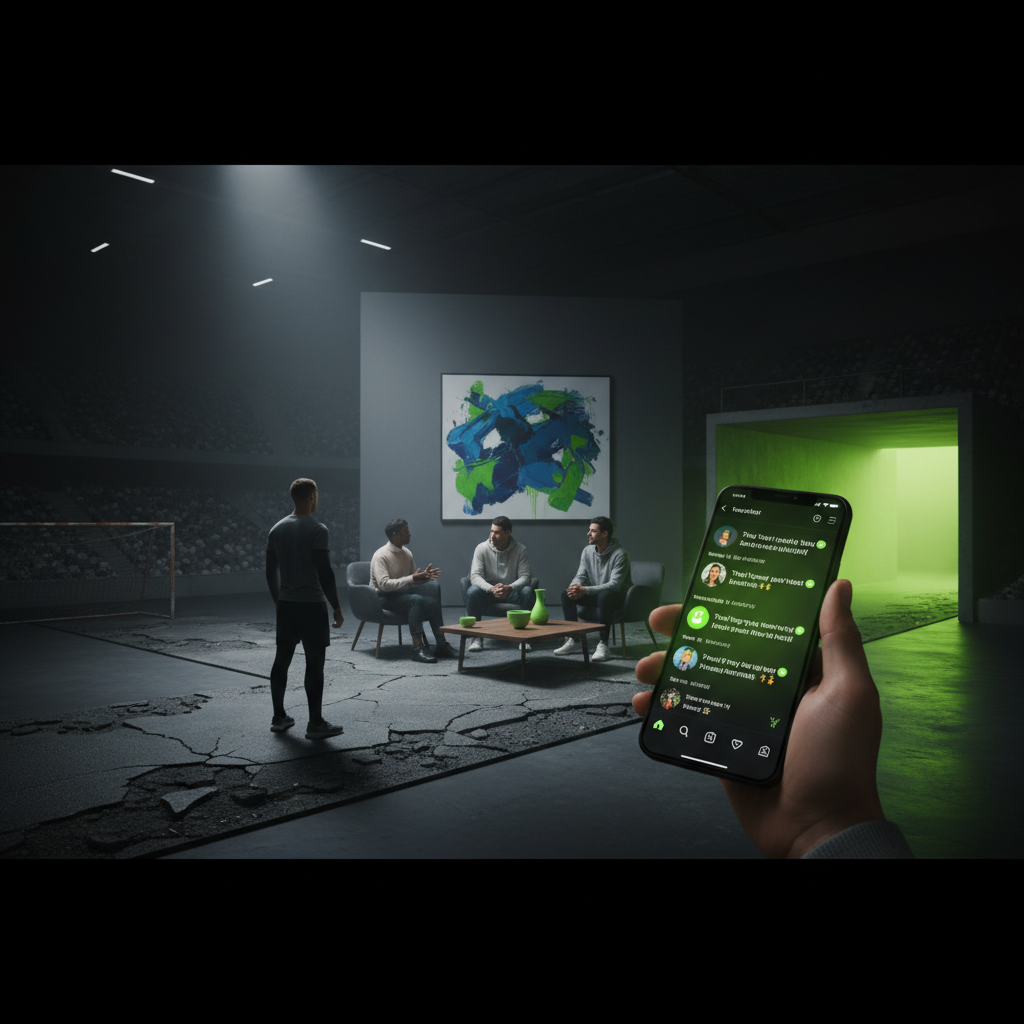
Social media presents both unique opportunities and significant challenges for athletes in transition. It can be a powerful tool for connection and branding, but it can also be a source of immense pressure and criticism.
A Platform for Connection vs. A Source of Pressure
On one hand, platforms like Instagram and X allow athletes to share their authentic stories and connect directly with fans. Stars like Michael Phelps and Simone Biles have used their platforms to advocate for mental health, helping to destigmatize the conversation globally.
Strategies for Digital Resilience
To manage these pressures, athletes are learning to engage with social media more mindfully. Key strategies include setting firm boundaries, such as limiting screen time before bed, and curating their feeds to focus on positive content. More importantly, many are reframing social media as a tool for authentic storytelling rather than a place to seek external validation.
Beyond the Final Score
Retiring from professional sports is undeniably one of the toughest transitions an athlete will ever face. However, the landscape is changing for the better. With the rise of holistic support systems, proactive mental health training, and a more open conversation about well-being, athletes are no longer expected to face this journey alone.
A Future of Hope and Health.