Beat the Bonk: How Athletes Use CGM to Master Endurance Fueling
A new wave of athlete bio-hacking is changing the game. Specifically, Continuous Glucose Monitors (CGMs) give athletes real-time data to prevent the bonk before it even starts.
Every endurance athlete knows the feeling. One moment you’re pushing the pace, and the next, your energy vanishes. Your legs feel heavy, your mind is foggy, and you can barely move. You’ve hit the wall. This dreaded experience, known as “bonking,” can ruin a race or a crucial training session. But what if you could see it coming?
Understanding the “Bonk”
So, what exactly happens when you bonk? In short, it’s a severe energy crash. Your body primarily uses glycogen, a stored form of glucose (sugar), as fuel during long or intense exercise. When these glycogen stores run out, your body tries to use fat for energy. However, this process is slower.
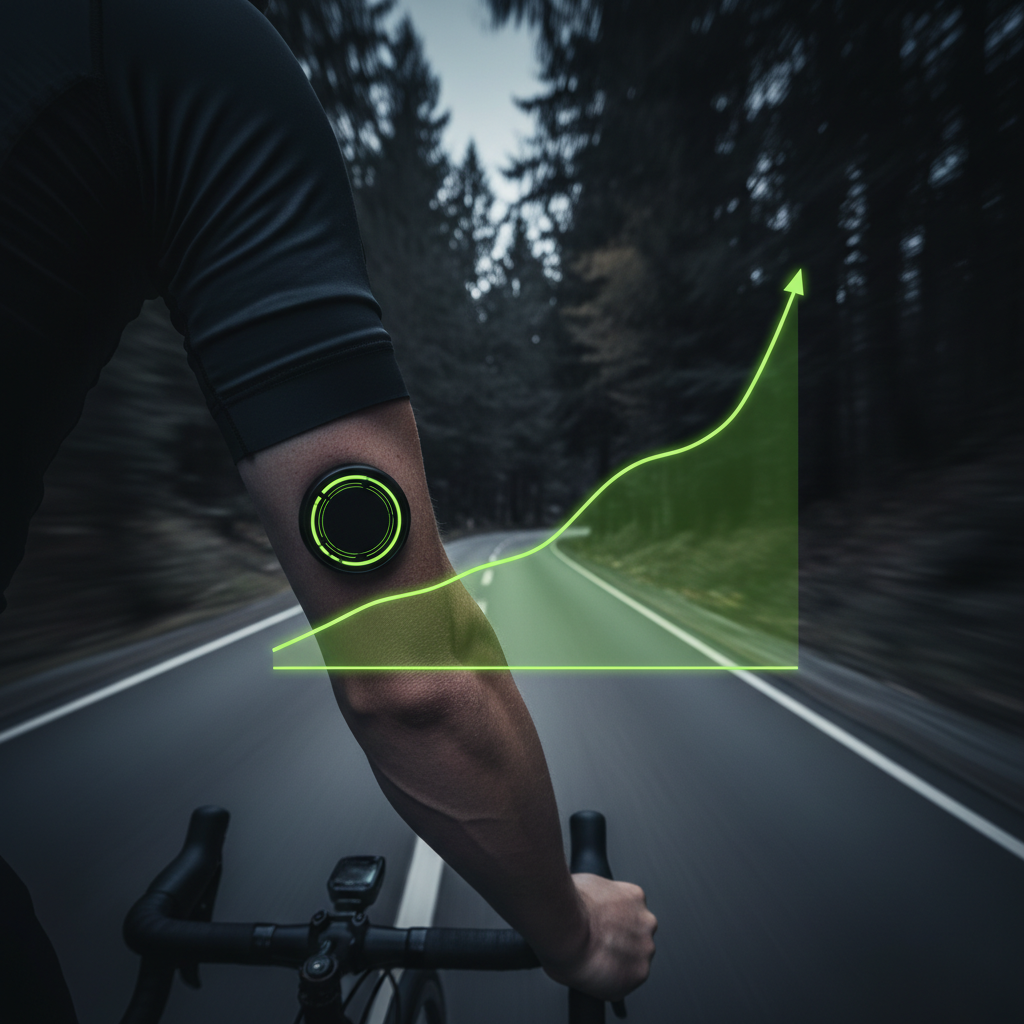
Consequently, your blood glucose levels plummet, leading to sudden fatigue, dizziness, and weakness. It’s a physiological signal that your fuel tank is empty. For years, athletes relied on general guidelines and guesswork for fueling. Now, technology offers a more precise approach.

CGM: A Personal Fuel Gauge for Your Body
Continuous Glucose Monitors are small sensors that you wear on your arm. They were first developed for people with diabetes. However, non-diabetic athletes quickly saw their potential. As a key tool in performance science, a CGM measures the glucose in the fluid just under your skin. Then, it sends this data to your smartphone or watch every few minutes.
Live Data Sync
This creates a live graph of your body’s energy levels. Instead of guessing, you get personalized insights into how your body responds to food, stress, and exercise.
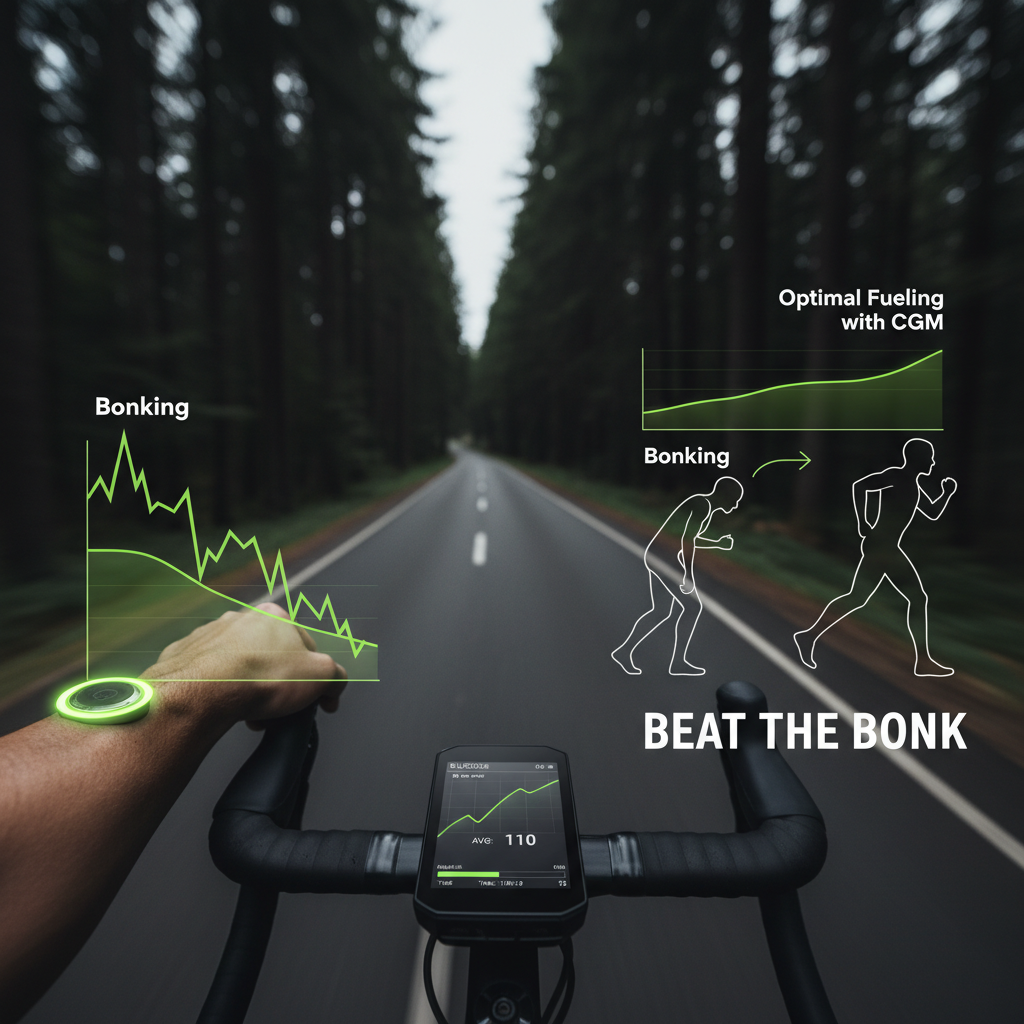
This data is the key to unlocking a truly individualised nutrition strategy. You can see precisely how a pre-race meal affects your energy or how different energy gels perform during a long run or ride.
How to Use CGM Data to Prevent Bonking
Using a CGM to avoid hitting the wall involves a proactive, data-driven strategy. It allows you to move from reactive fueling (eating when you feel tired) to predictive fueling (eating to maintain stable energy).
Personalize Your Fueling Plan
Every athlete’s body is different. A banana might give one person stable energy, while another sees a sharp spike and crash. A CGM helps you learn your unique metabolic response.
- 01. Test Foods: See how different pre-workout meals impact your glucose before you even start.
- 02. Compare Gels and Drinks: During training, test various sports nutrition products to find what keeps your glucose levels the most stable.
- 03. Add Protein and Fat: Discover how pairing carbohydrates with protein and fat can prevent reactive hypoglycemia.
Spot Early Warning Signs
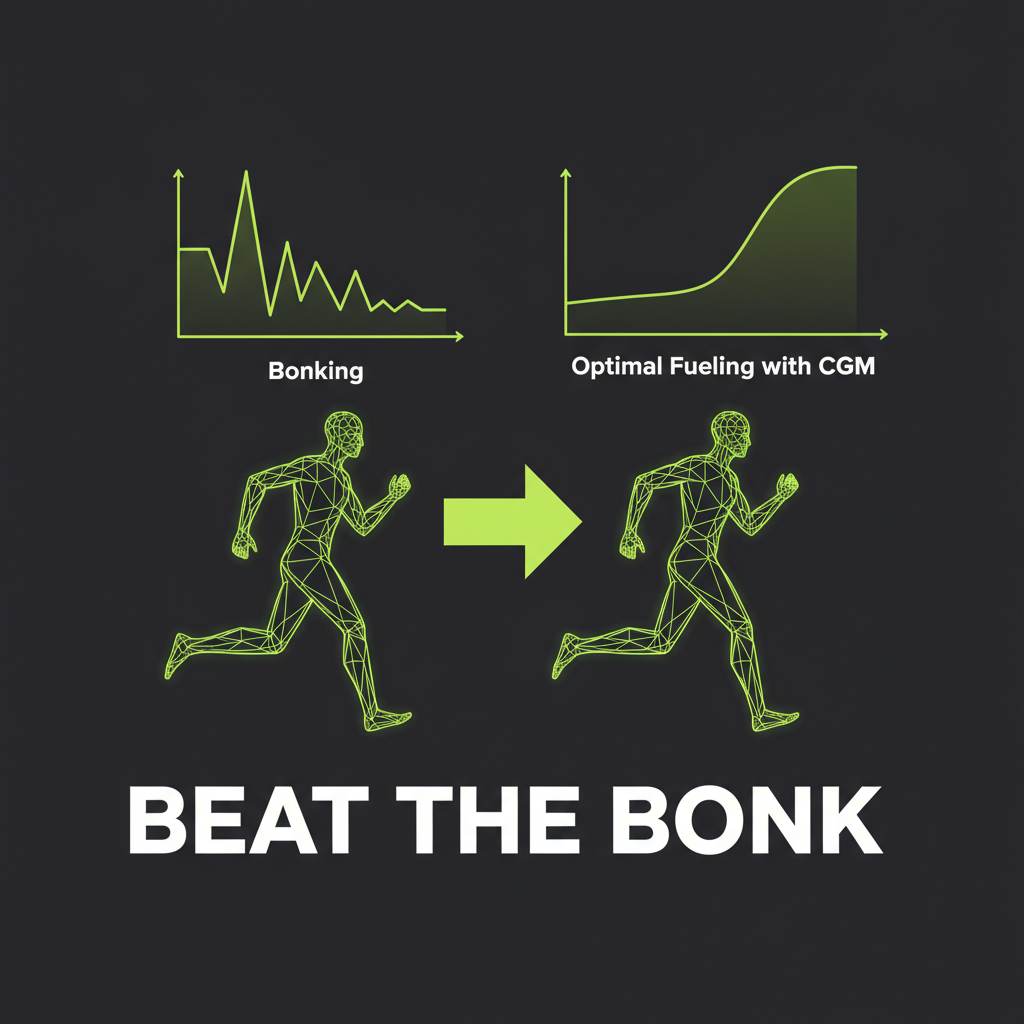
A CGM acts as an early warning system. You can often see your glucose levels starting to dip on your watch before you feel any symptoms of fatigue. This allows you to take action immediately. For example, if you see a downward trend during a marathon, you know it’s time to take a gel. This proactive approach prevents your energy from ever reaching a critical low.
Perfect Your Timing
Timing is everything in endurance nutrition. A CGM helps you dial in the timing and amount of fuel you need. By monitoring your glucose trends, you learn to consume carbohydrates just before a significant drop occurs. In addition, you can avoid over-fueling. Many athletes who use this tech share their findings online; for example, you can see how some pro triathletes approach their fueling on pro athlete official performance logs.
Popular CGM Devices for Athletes
Supersapiens
Designed specifically for athletes, this system provides real-time glucose visibility during workouts.
NutriSense
This service pairs a CGM device with personalized support from registered dietitians to interpret your data.
Dexcom & Abbott FreeStyle Libre
Accuracy makes them popular choices. An overview of these emerging technologies can be found on official performance science blogs.
Risks and Important Considerations
While CGMs are a powerful tool, they are not a magic bullet. It’s crucial to understand their limitations.
Signal Lag
CGMs measure interstitial fluid glucose, not blood glucose. There can be a slight delay, especially during intense exercise.
Glycogen Limits
A CGM only shows what’s circulating, not what’s in your muscle “tank.”
Glucose levels in healthy athletes can fluctuate dramatically during exercise. A dip isn’t always a sign of trouble. Therefore, it’s vital to learn your personal patterns and not overreact. More research is needed to define “optimal” glucose zones for athletes, as detailed in valid sports research publications.